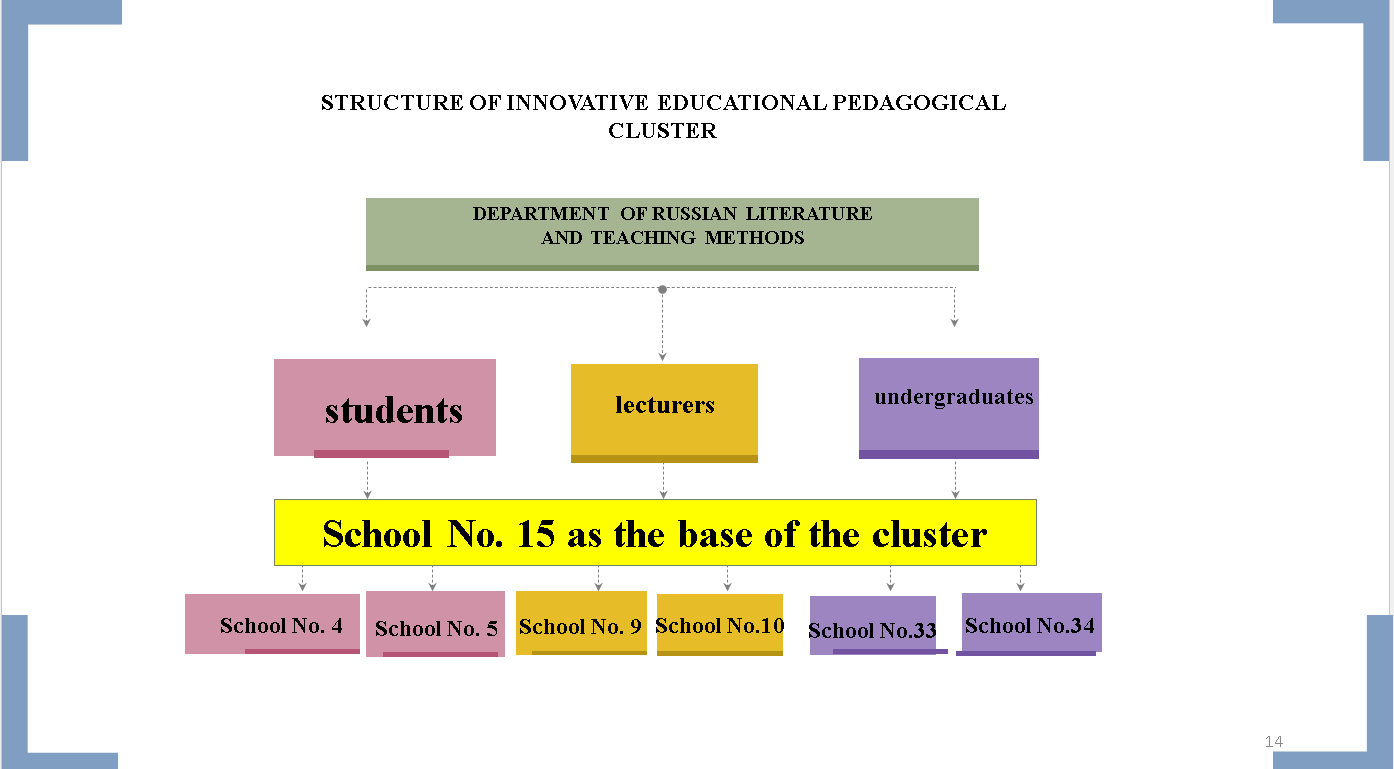
Department of Russian Literature and teaching methods
The department’s key areas of activity include the development and implementation of innovative teaching methodologies, the formation of strong communicative competence among students, and the advancement of cutting-edge research in linguistics, literary studies, pedagogy, and educational technologies.
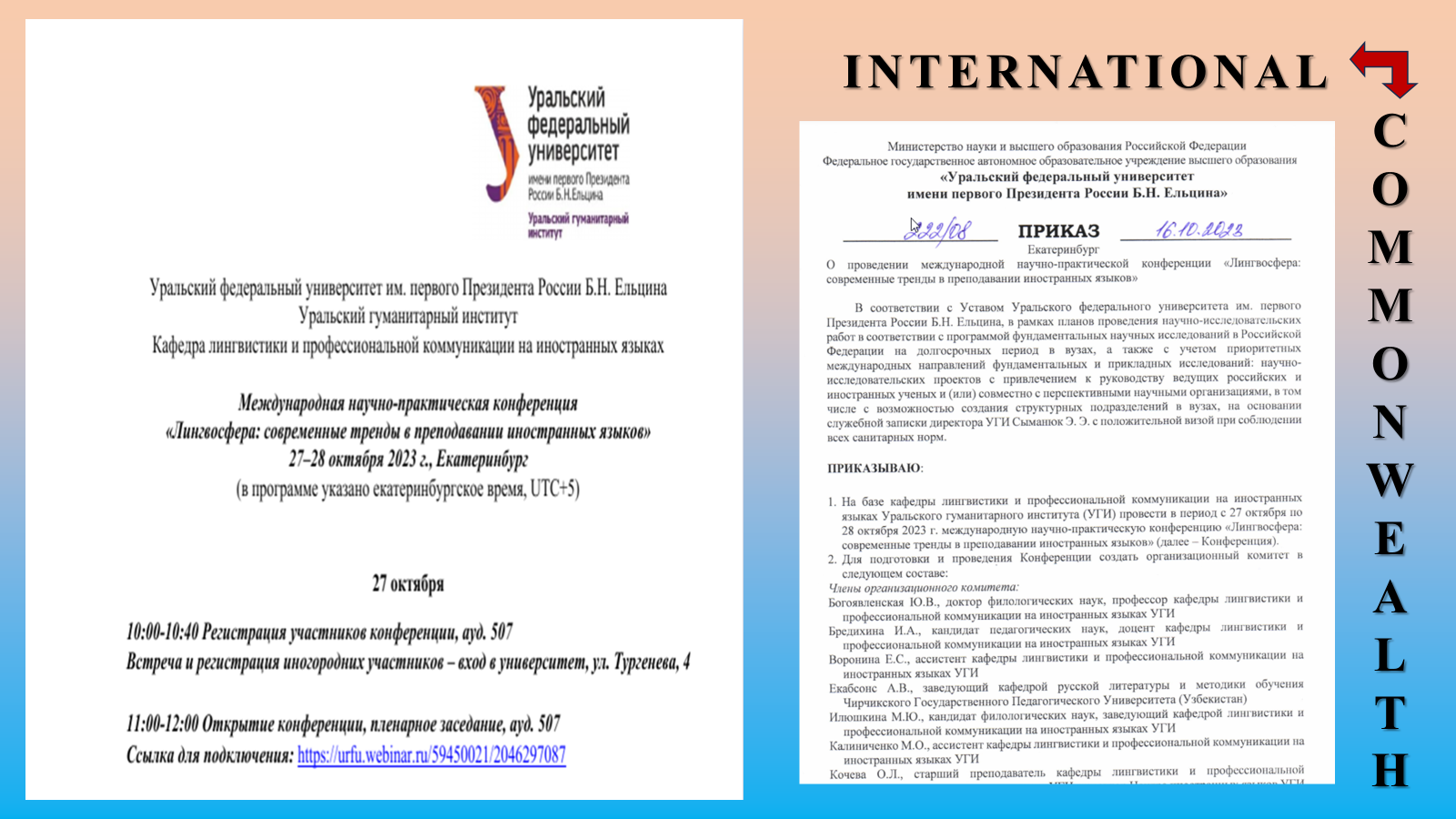
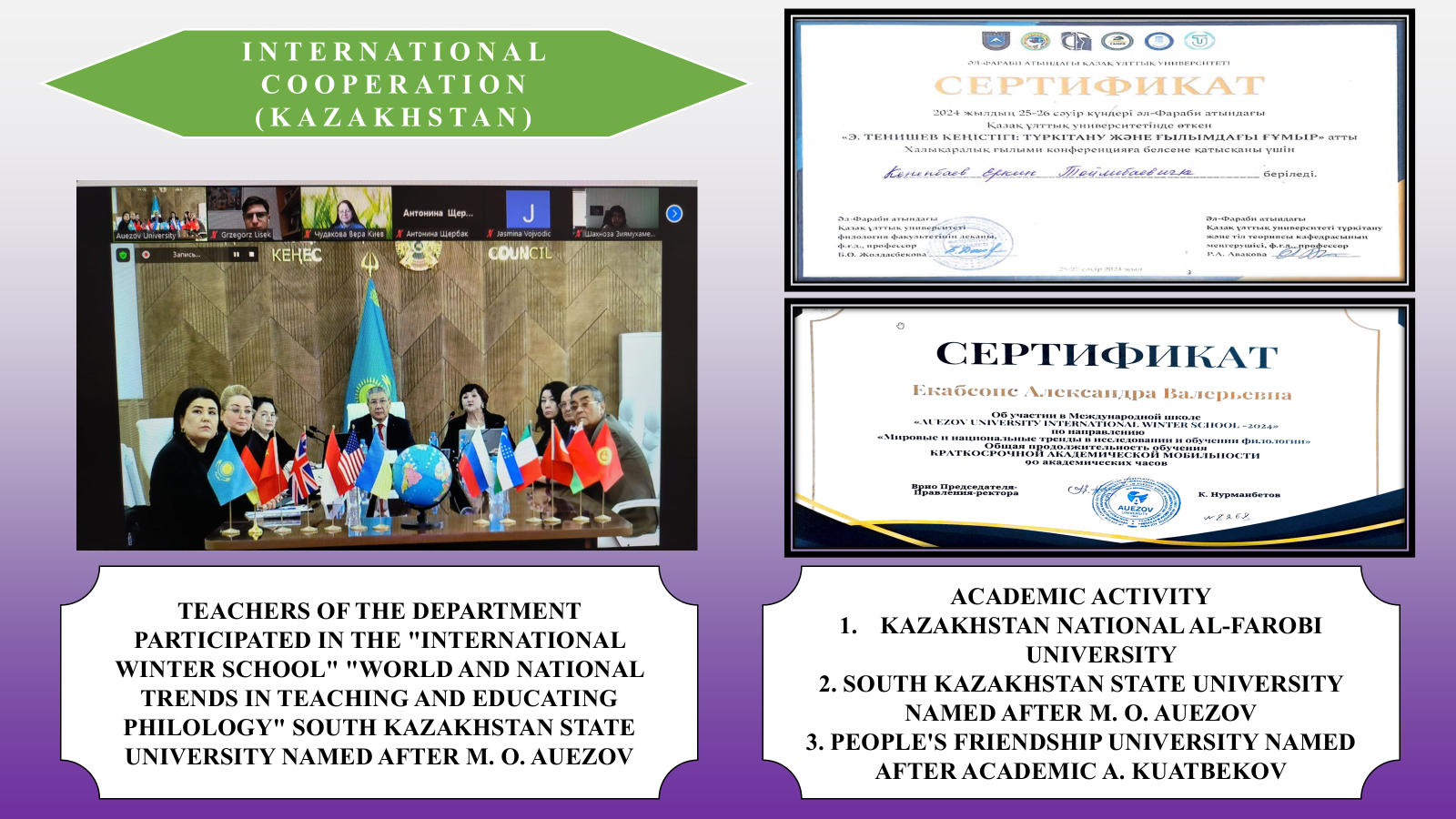
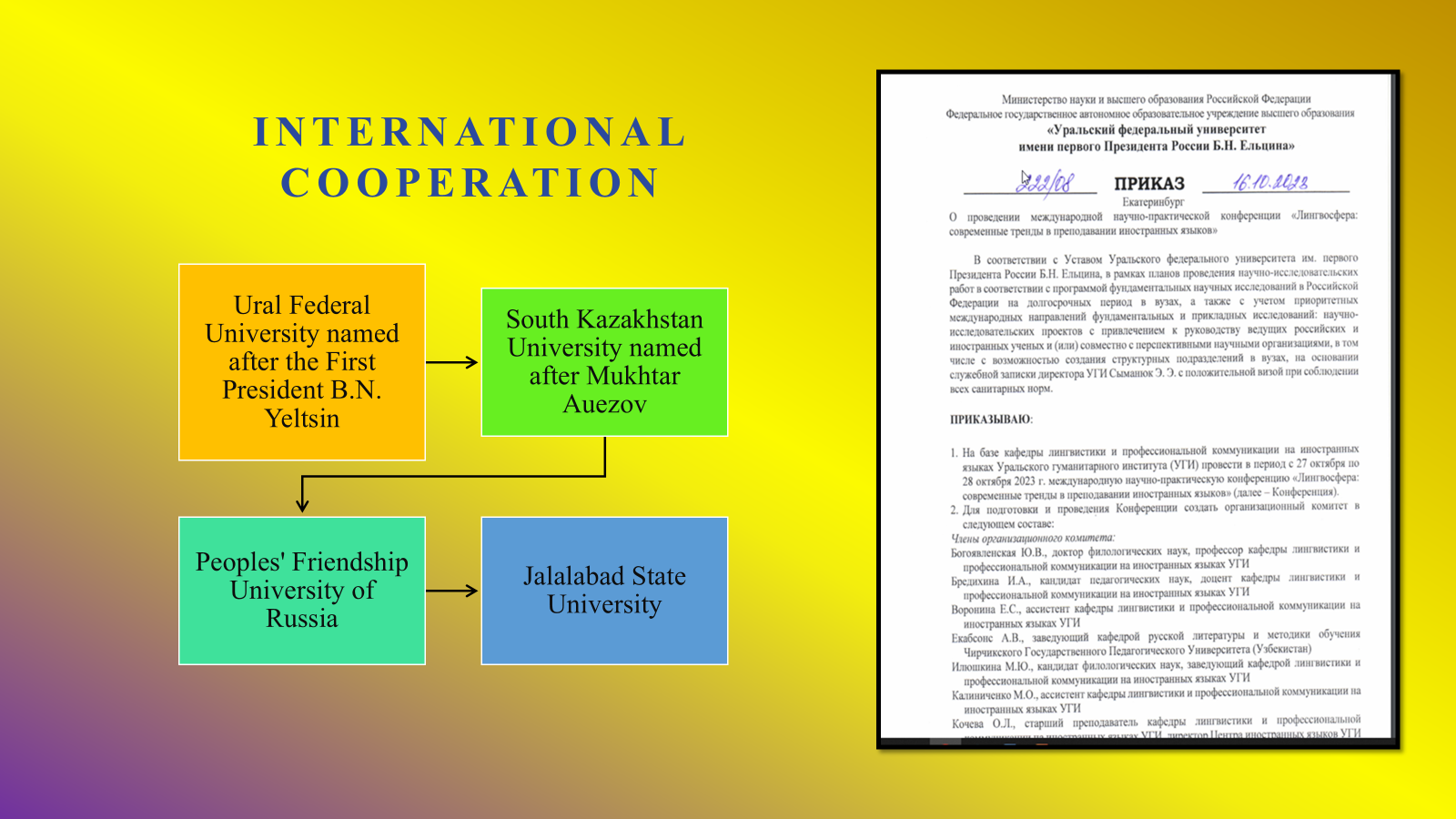
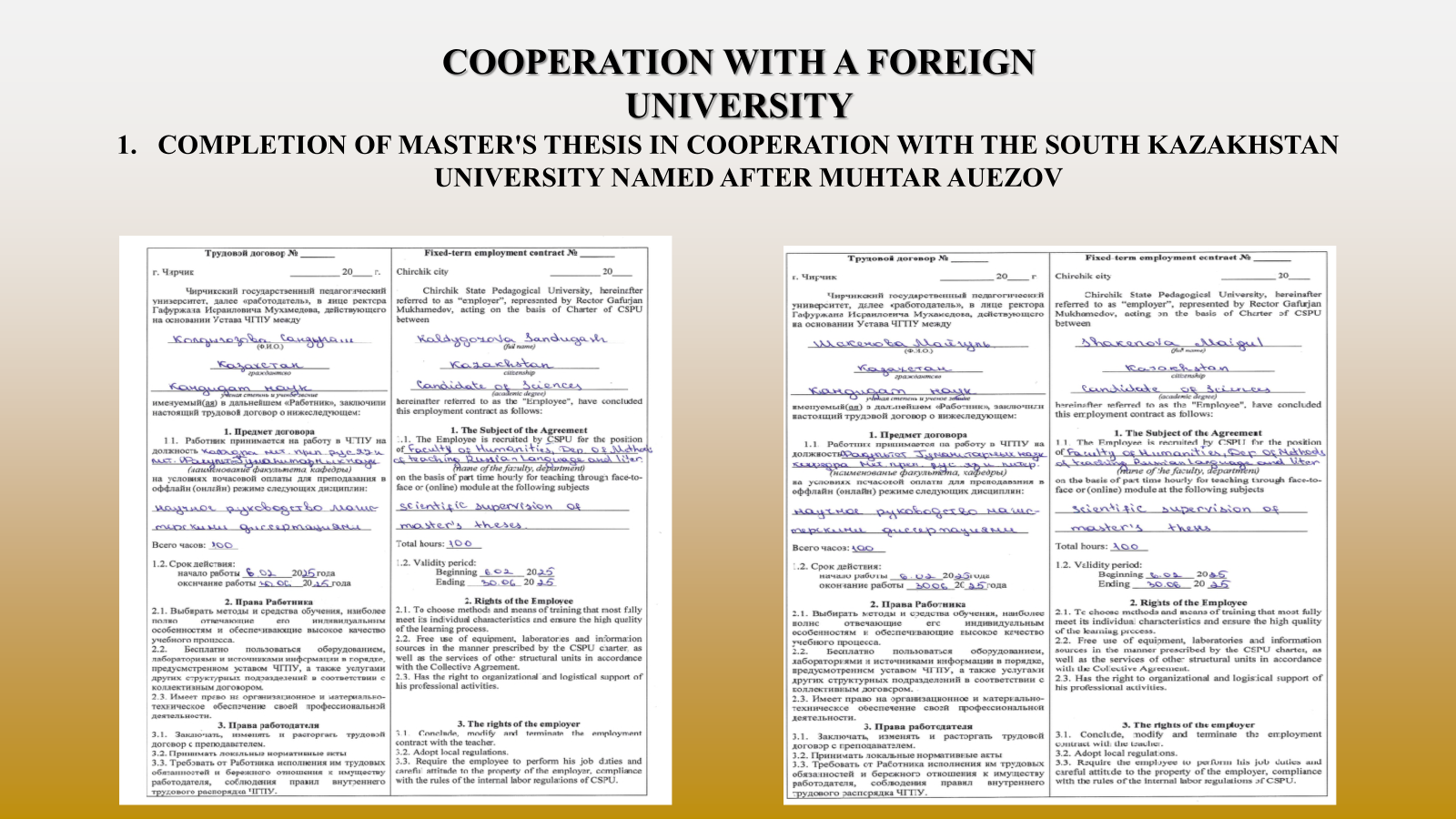
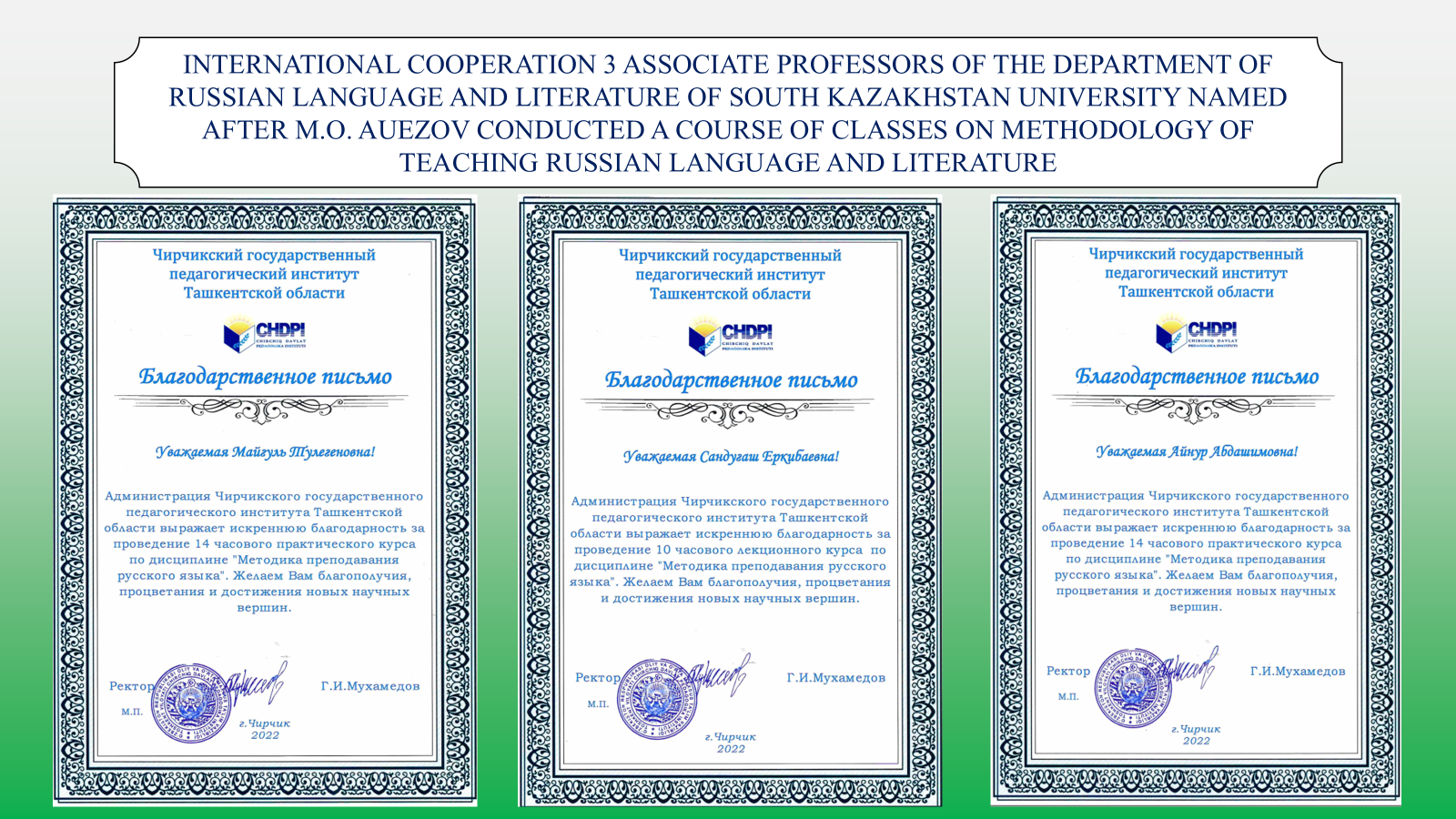
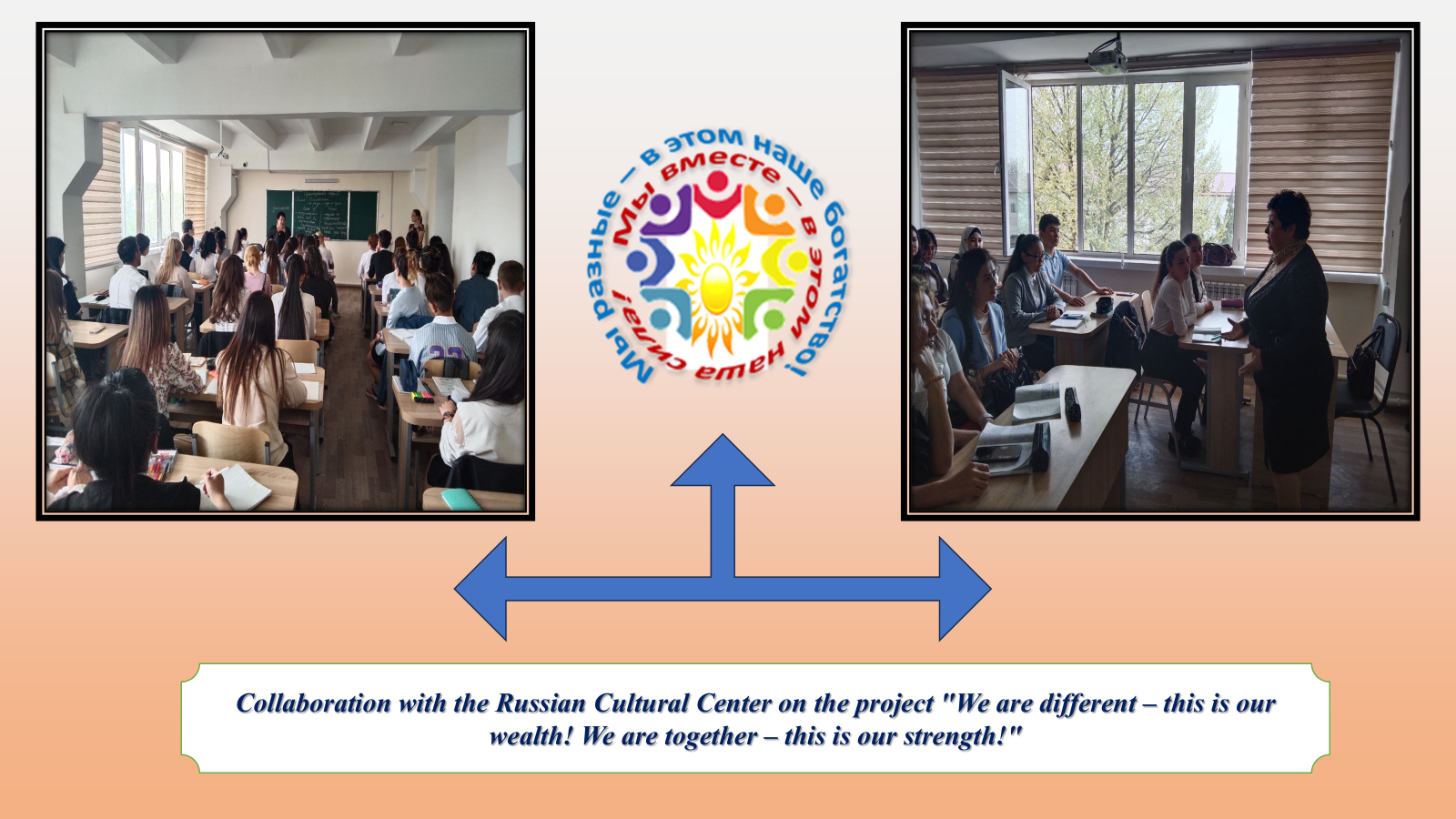
The department actively fosters international academic cooperation, participating in joint research projects, internships, and academic mobility programs. Modern digital tools are integrated into the educational process, contributing to an interactive learning environment and enhancing opportunities for intercultural dialogue.
Department of Teaching Methods of the Russian Language and Literature
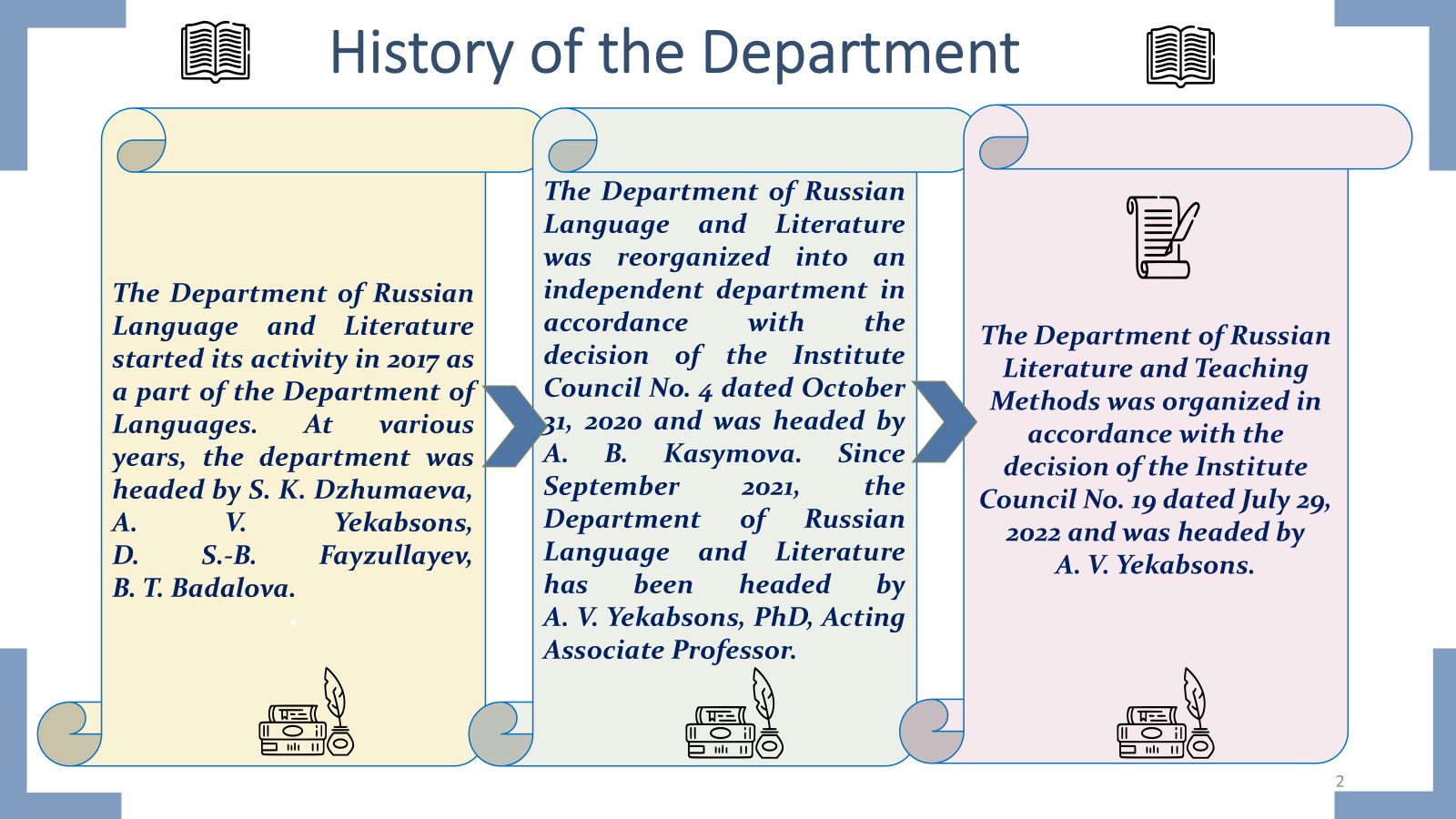
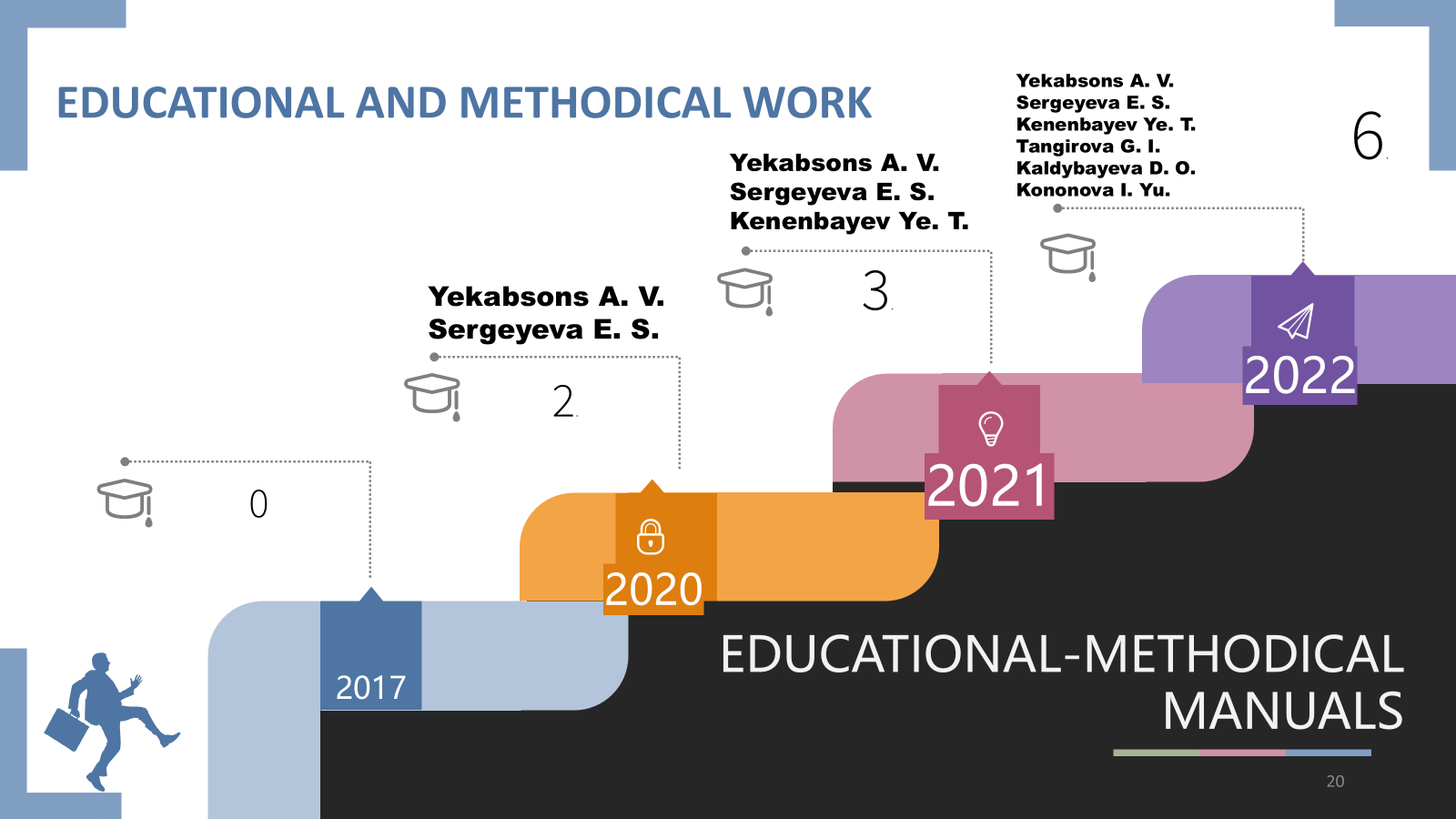
The Department of Teaching Methods of the Russian Language and Literature began its activities in 2017 as part of the Department of Languages. On October 31, 2020, by the decision of the Institute Council, it became independent and was initially headed by A.B. Kasimova. Since September 2021, the leadership has been transferred to A.V. Ekabson. On July 29, 2022, by the decision of the Institute Council, the department was reorganized as the Department of Teaching Methods of the Russian Language and Literature and the leadership has been transferred to A.V. Ekabsons. The final name is the Department of Teaching Methods of the Russian Language and Literature.
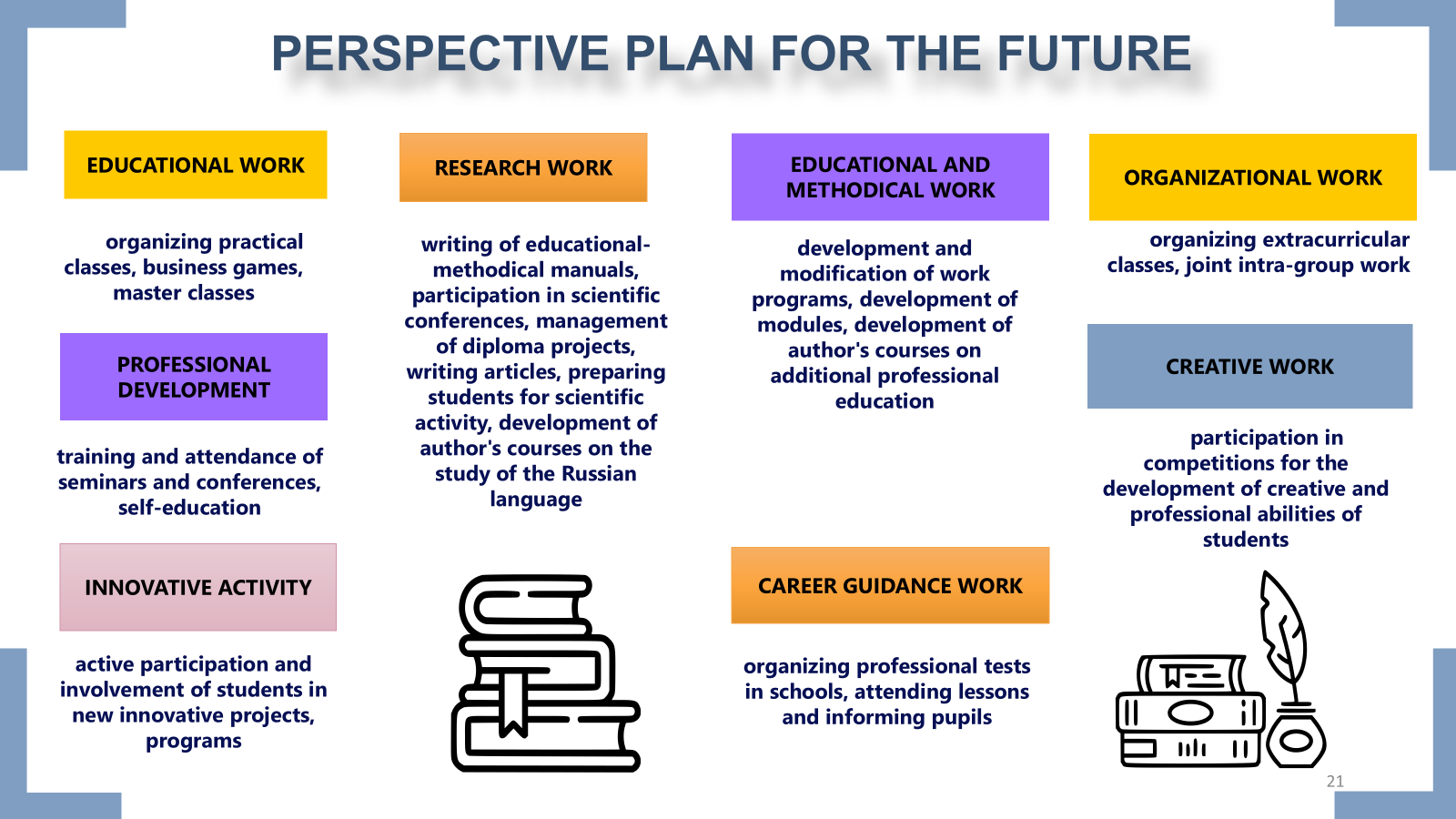
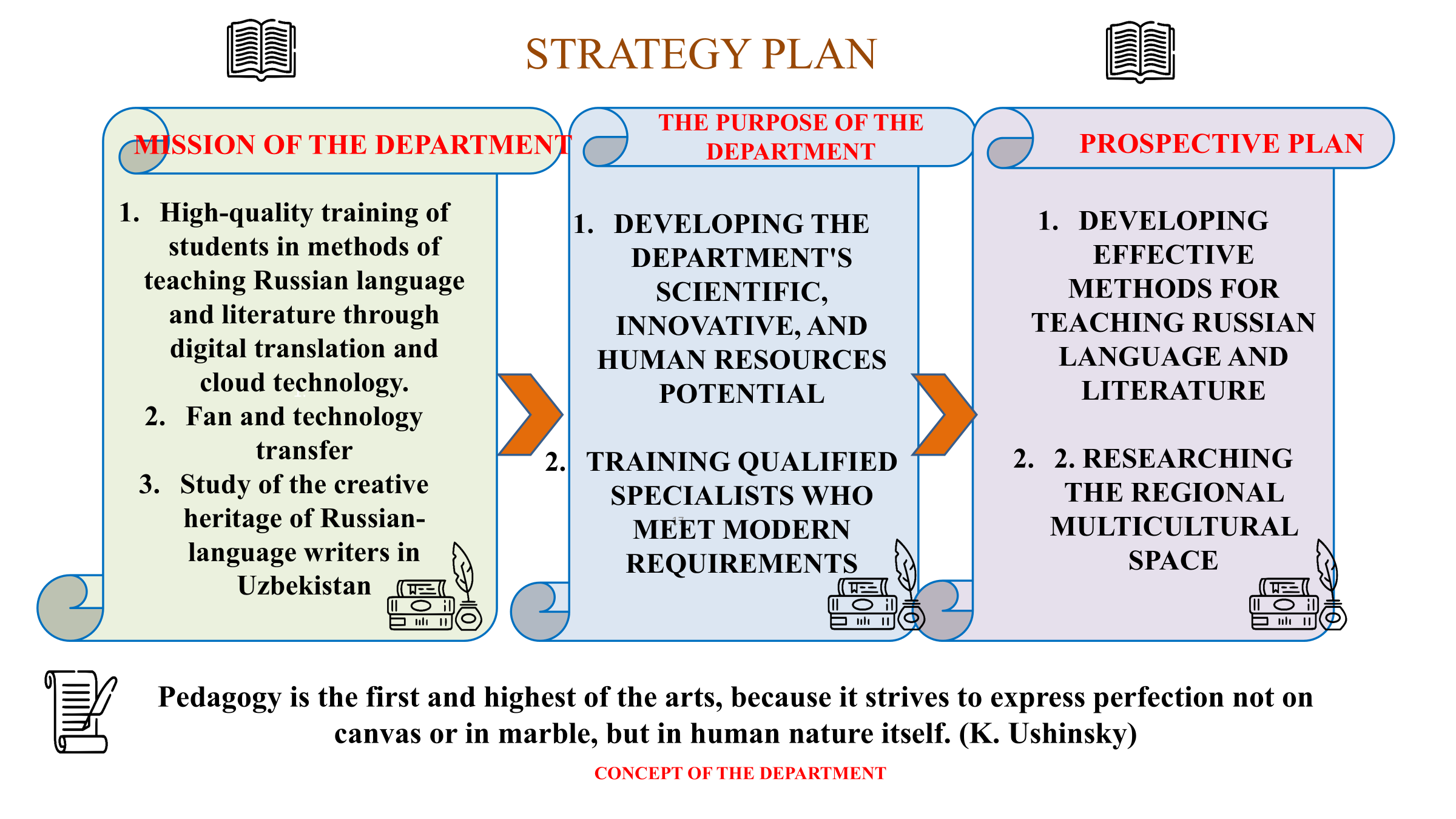
Goals and Objectives: The department strives to train highly qualified specialists and develop methodologies for teaching modern Russian language and literature, integrating current linguistic and pedagogical approaches. The main goals are to form communicative competence in students, develop scientific research in this area, and expand international cooperation with foreign educational and scientific institutions.
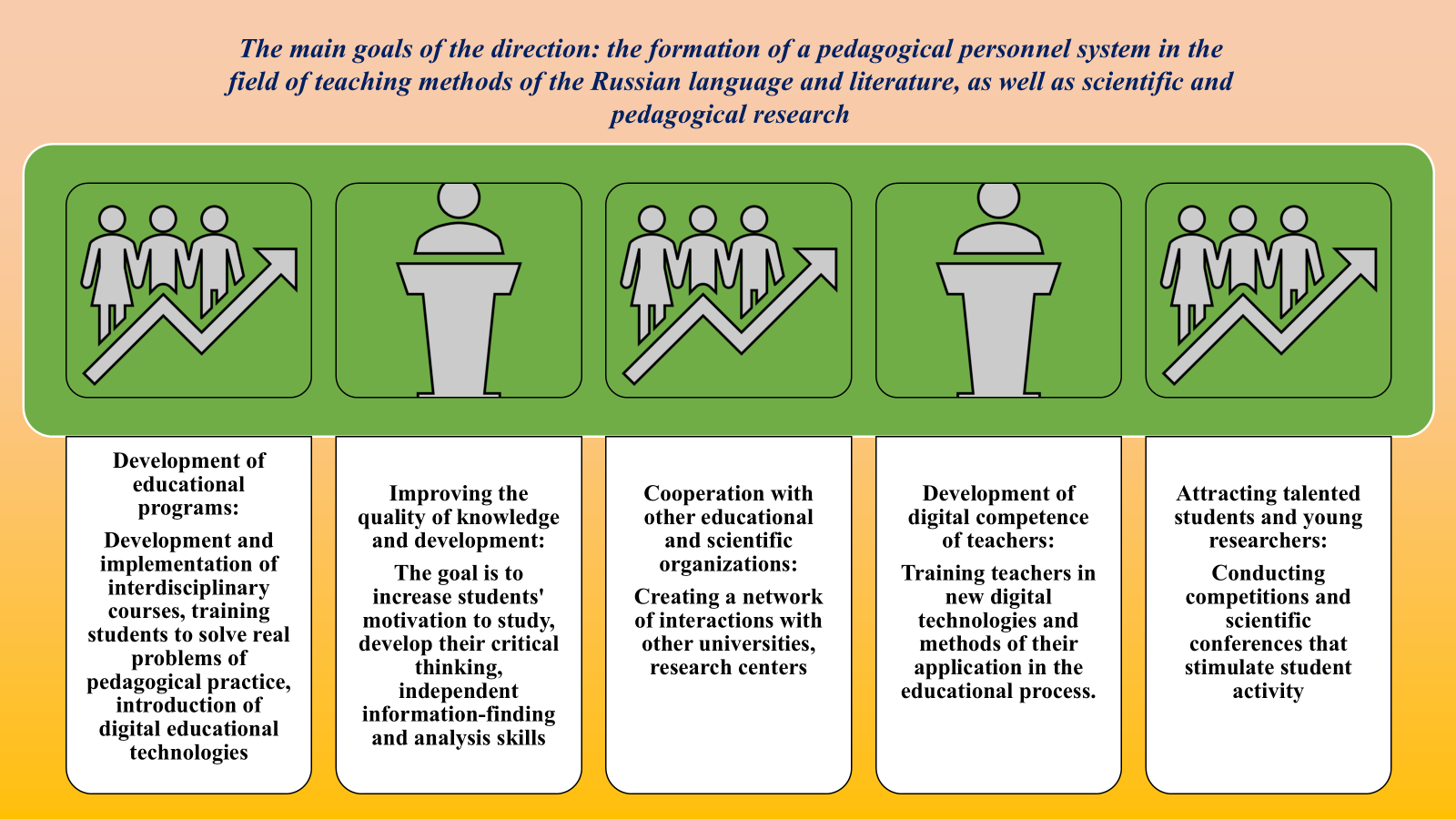
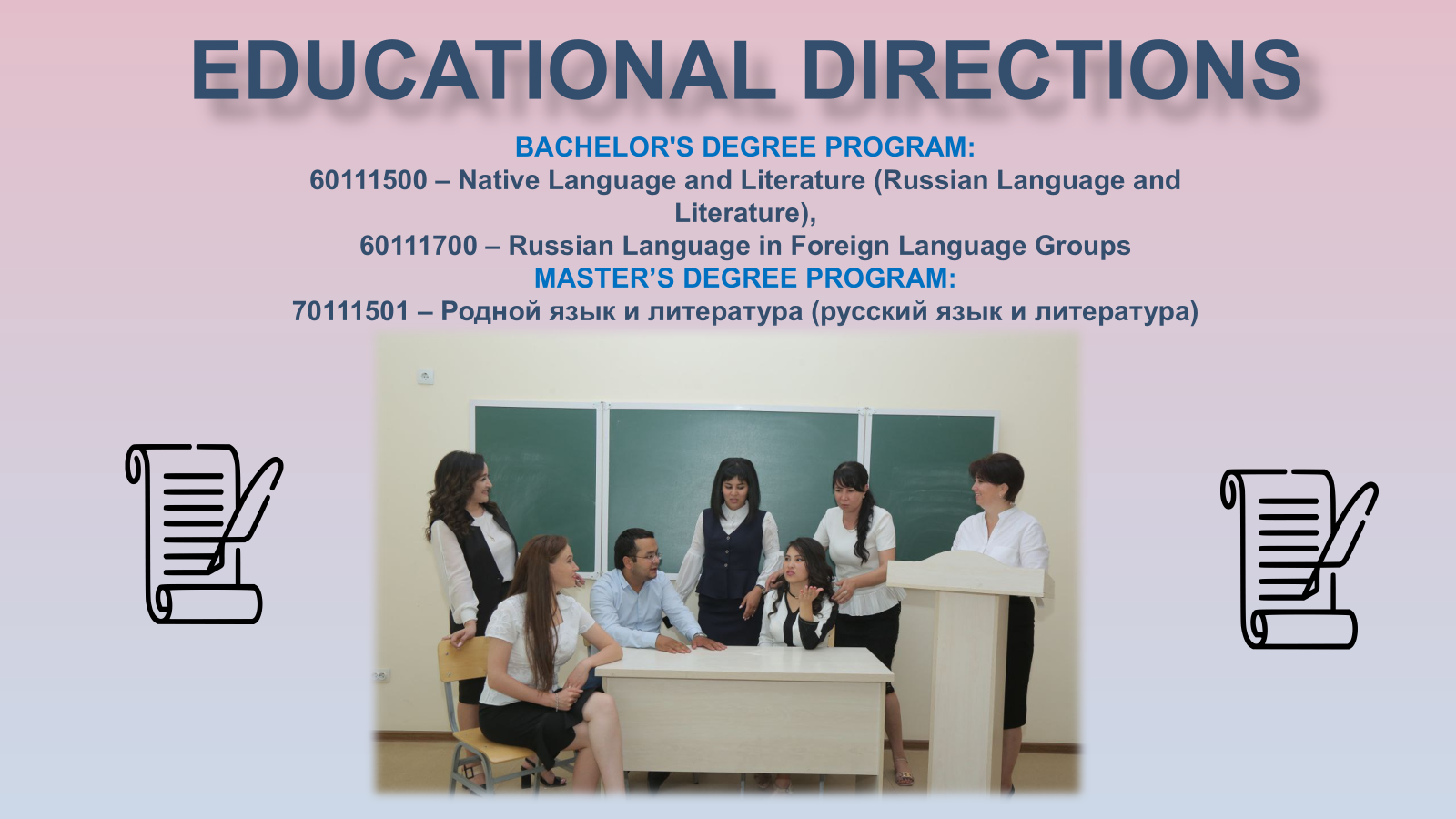
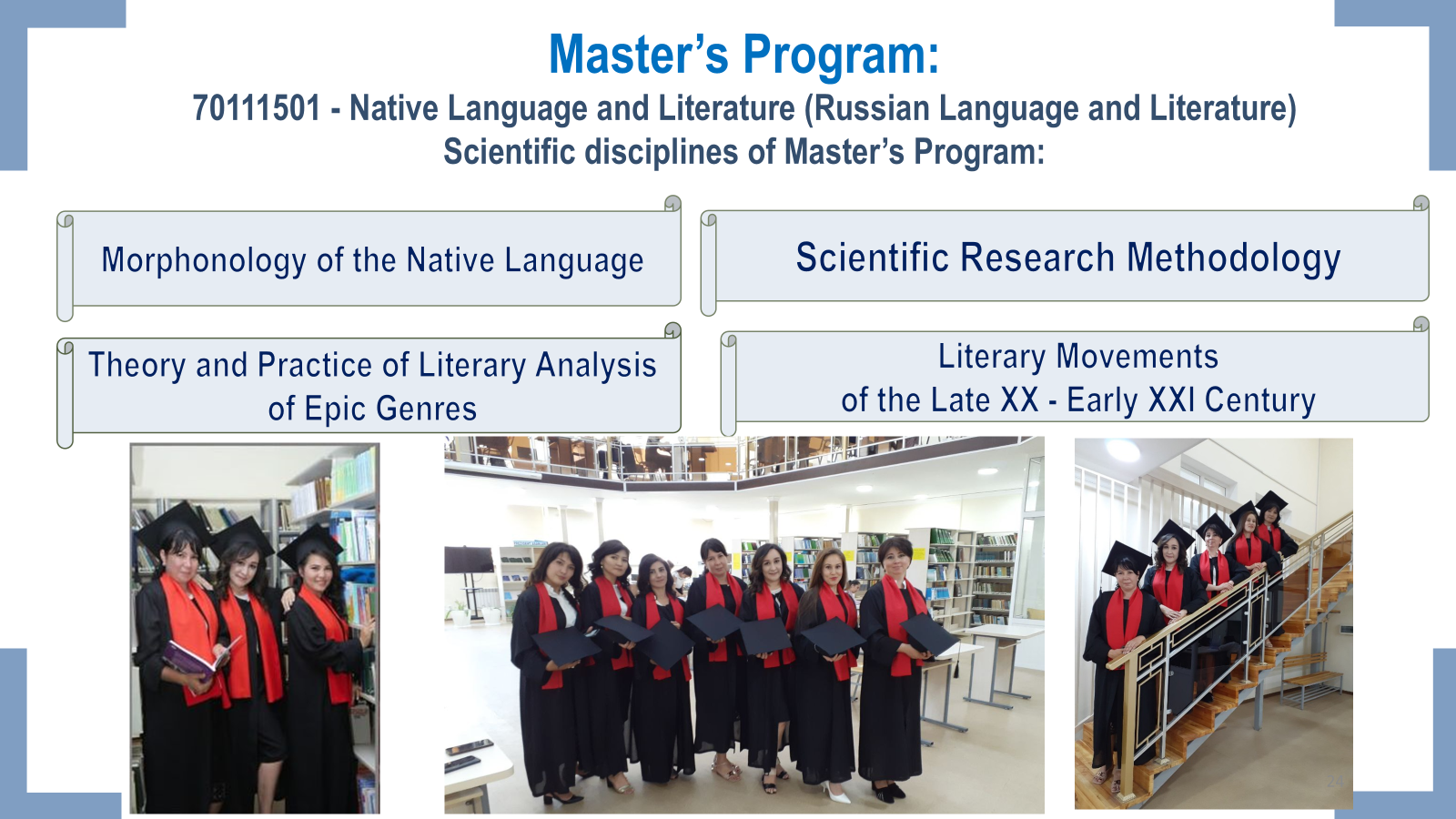
To achieve these goals, the department focuses on:
Using innovative teaching technologies, including digital resources, interactive platforms, and multimedia materials.
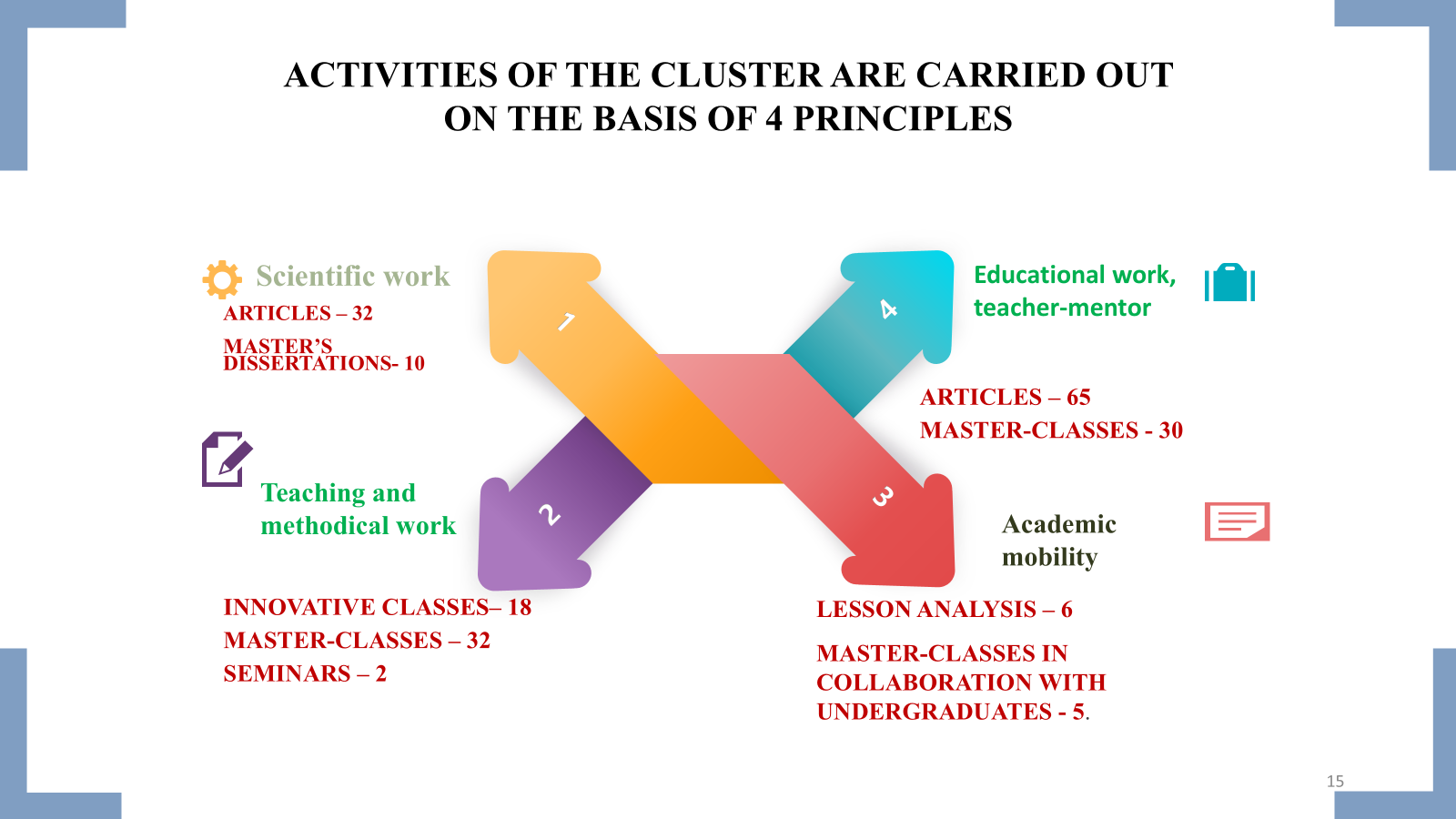
Organizing scientific research on the problems of teaching the Russian language and literature.
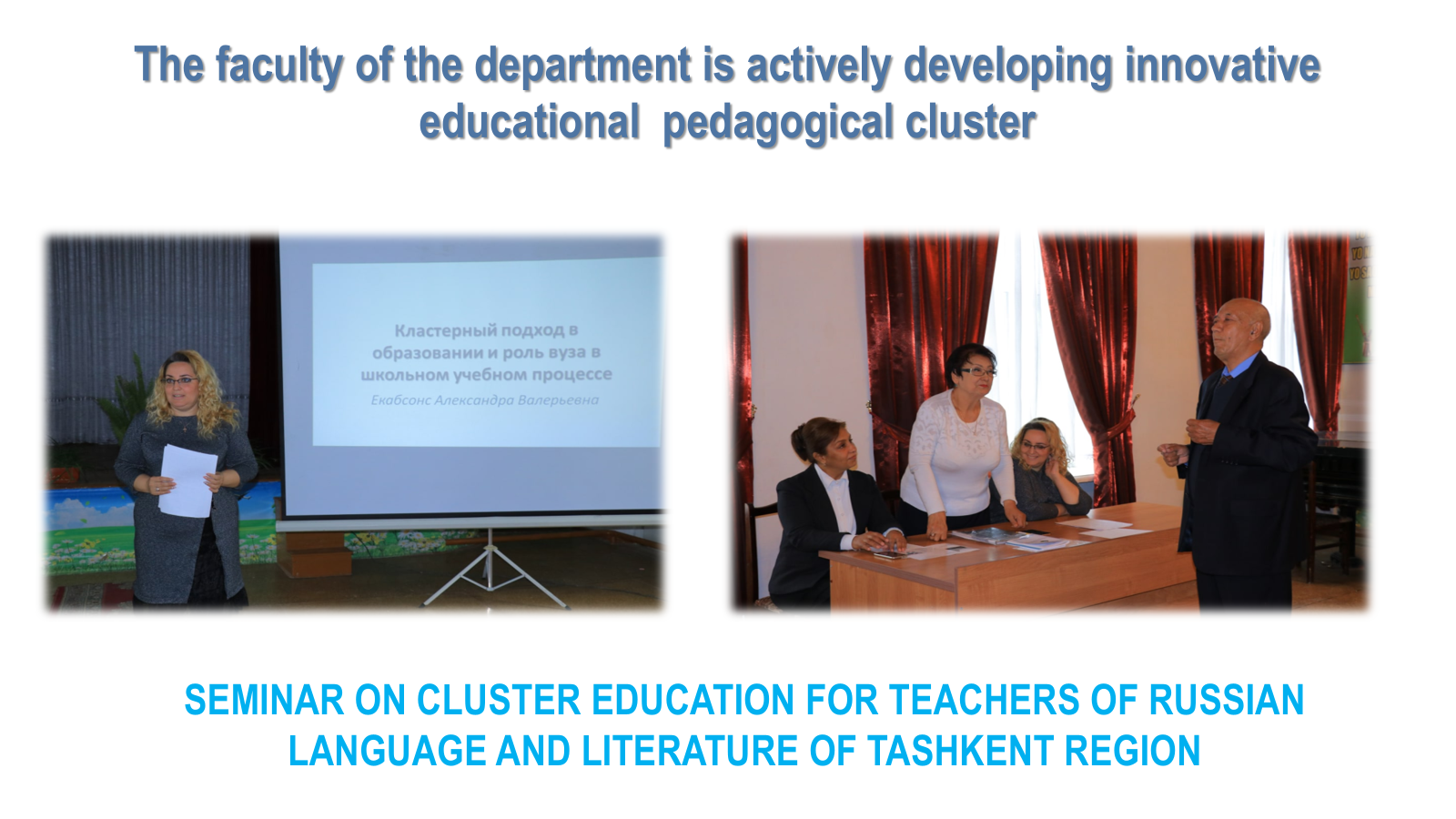
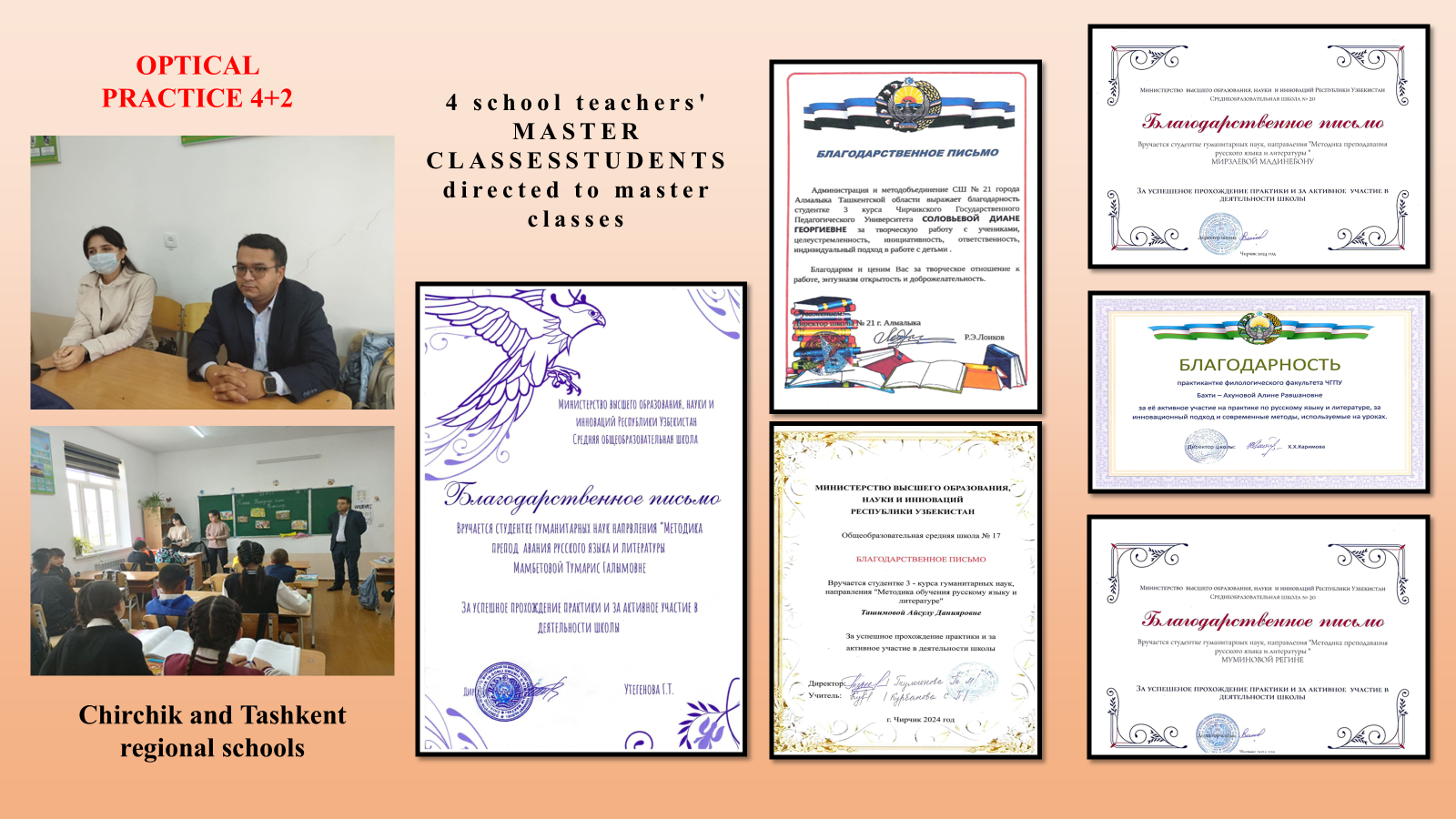
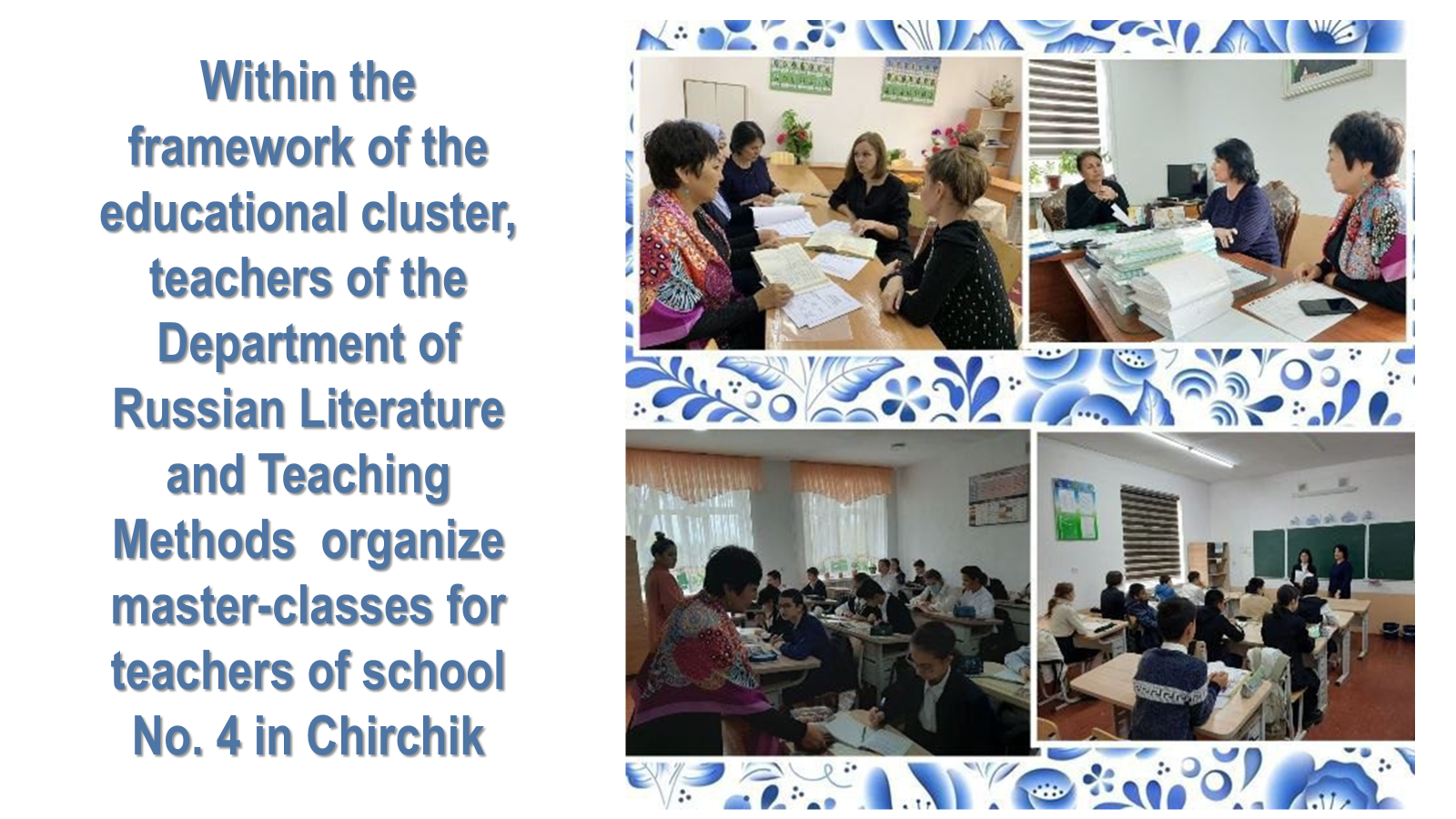
Conducting seminars, trainings, and master classes for teachers and students on topical issues in the field of methodology.
Ensuring academic mobility of teachers and students through international exchange and internship programs.
Developing intercultural dialogue and increasing students' motivation to study the Russian language and literature.
The department's research focuses on the following main areas:
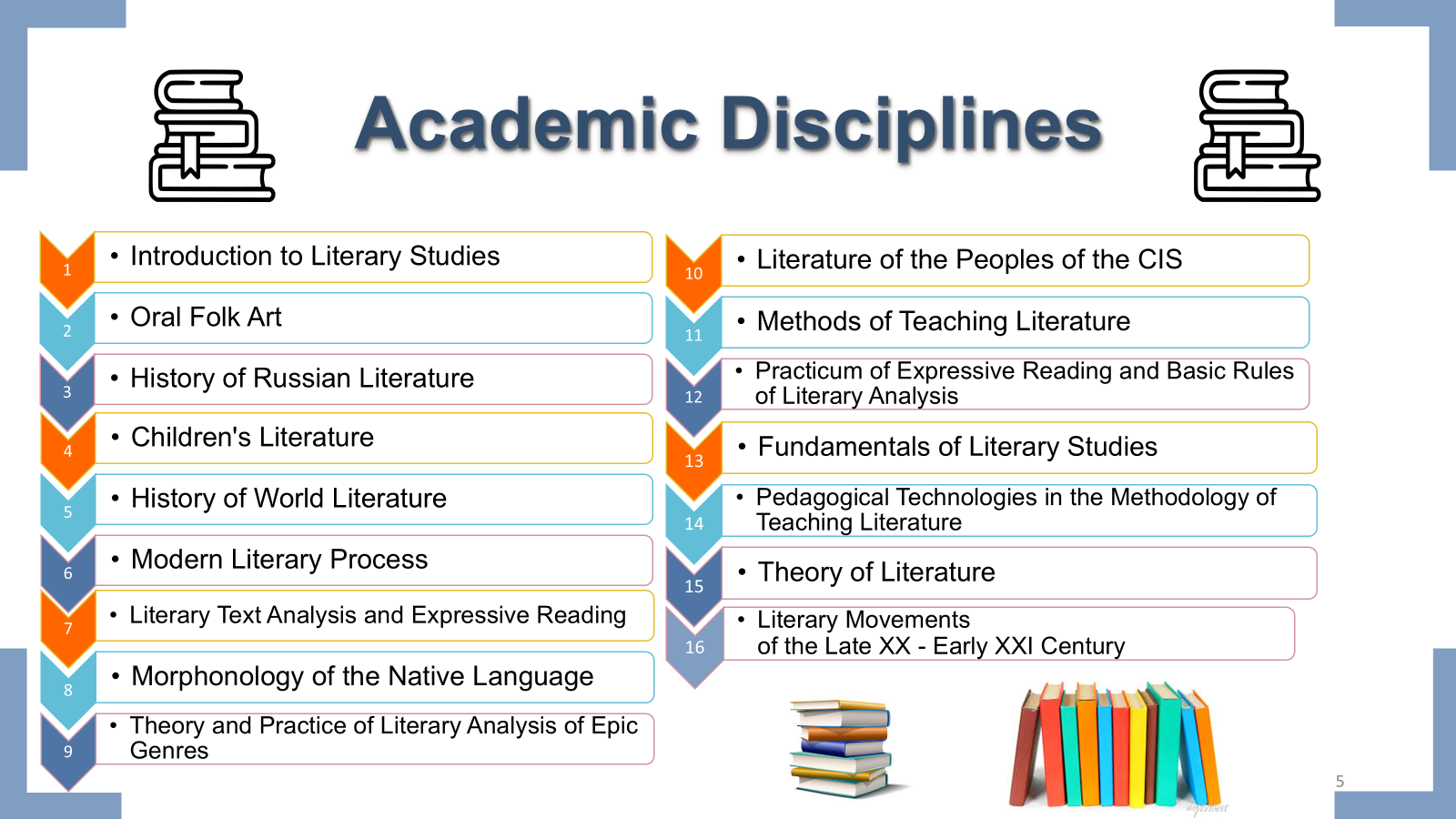
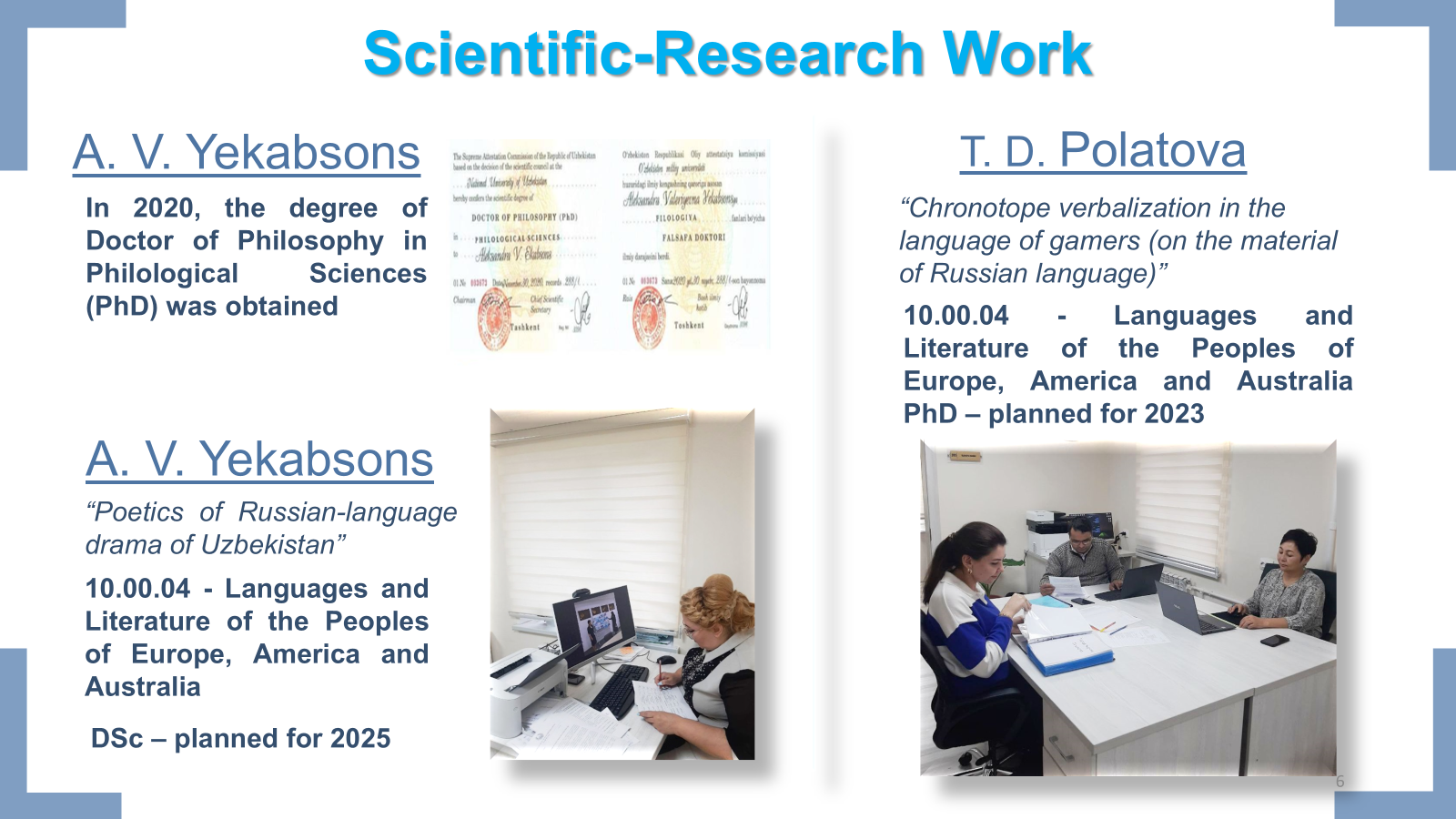
10.00.04 — Languages and Literature of European, American and Australian Peoples
10.00.06 — Comparative Literature, Comparative Linguistics and Translation Studies
10.00.11 — Language Theory. Applied and Computational Linguistics
13.00.02 — Theory and Methodology of Teaching and Education
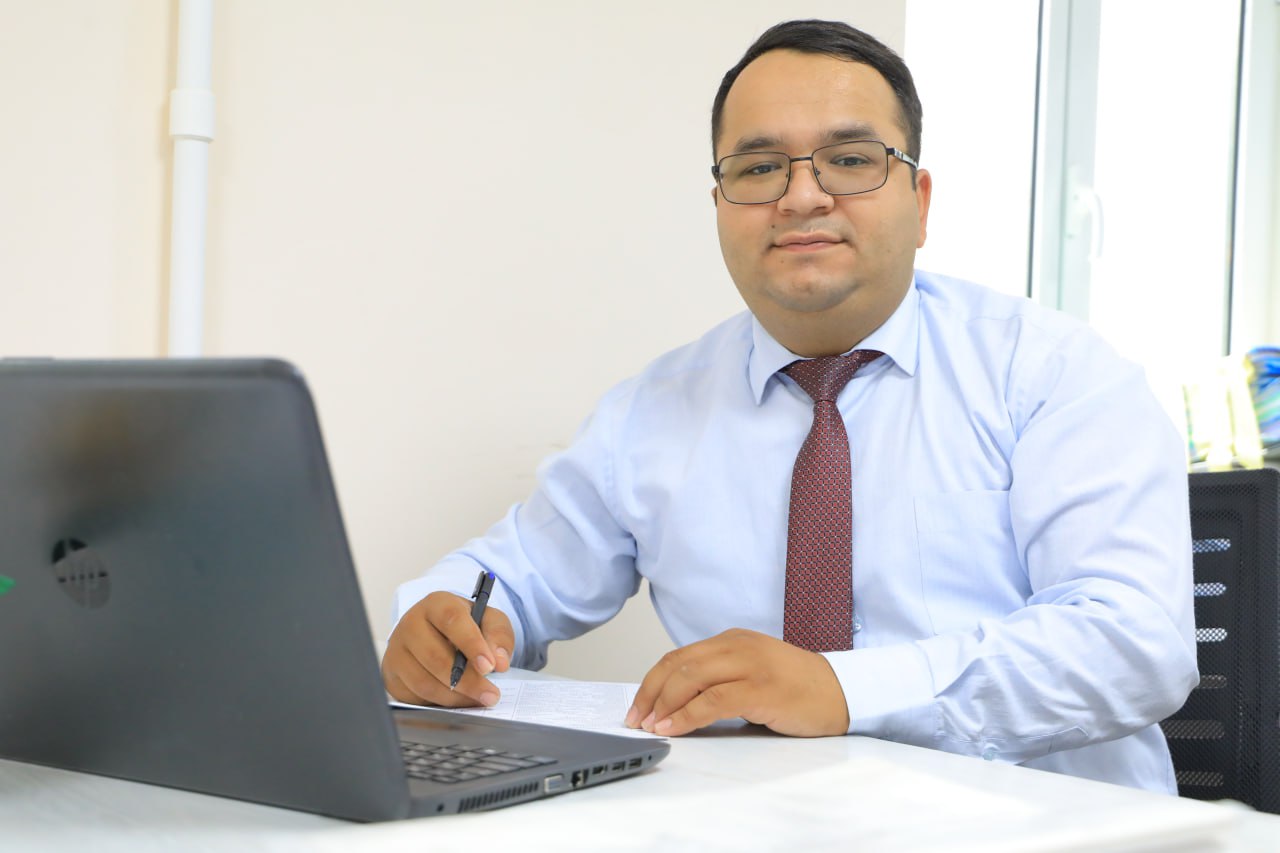
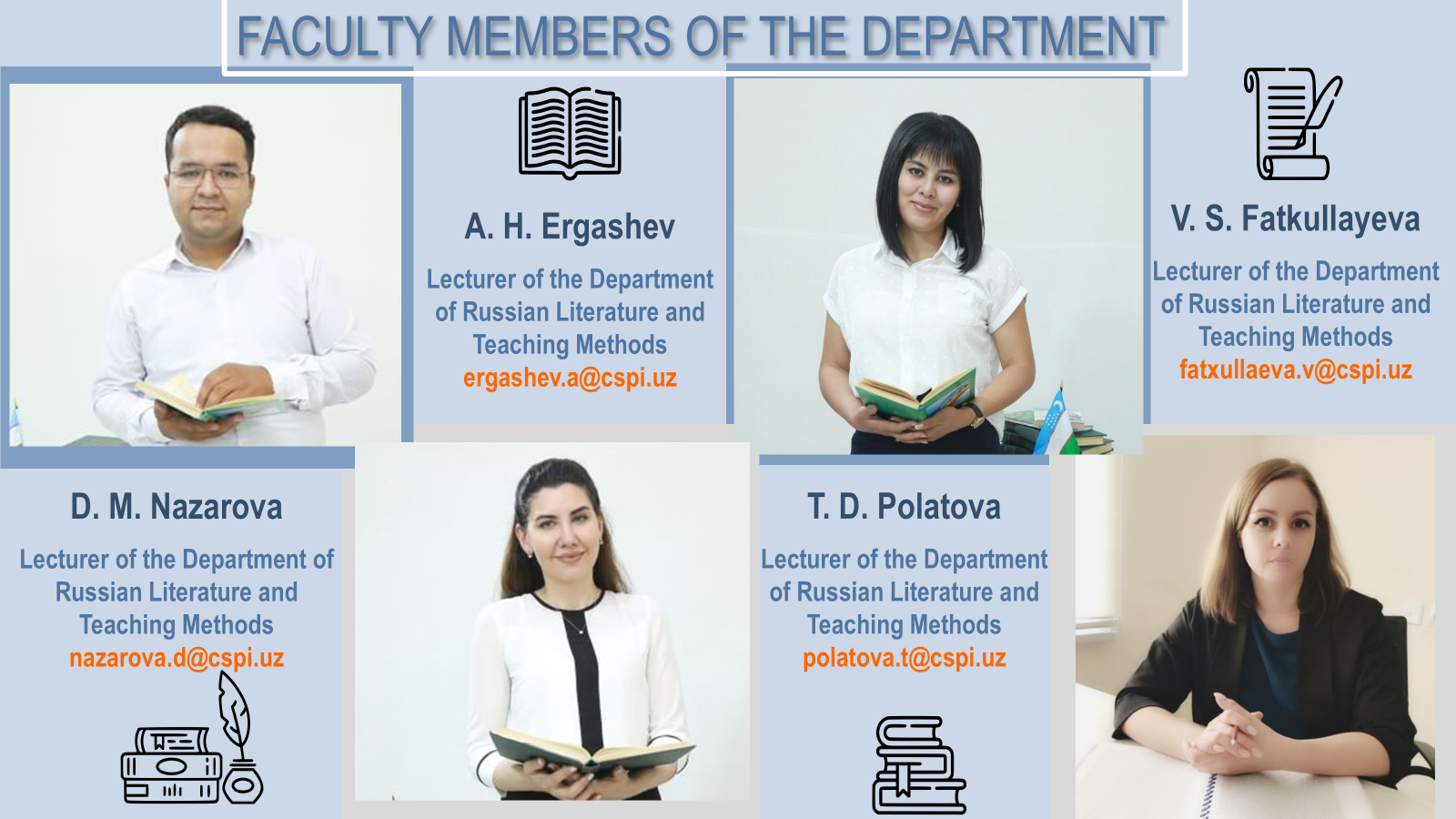
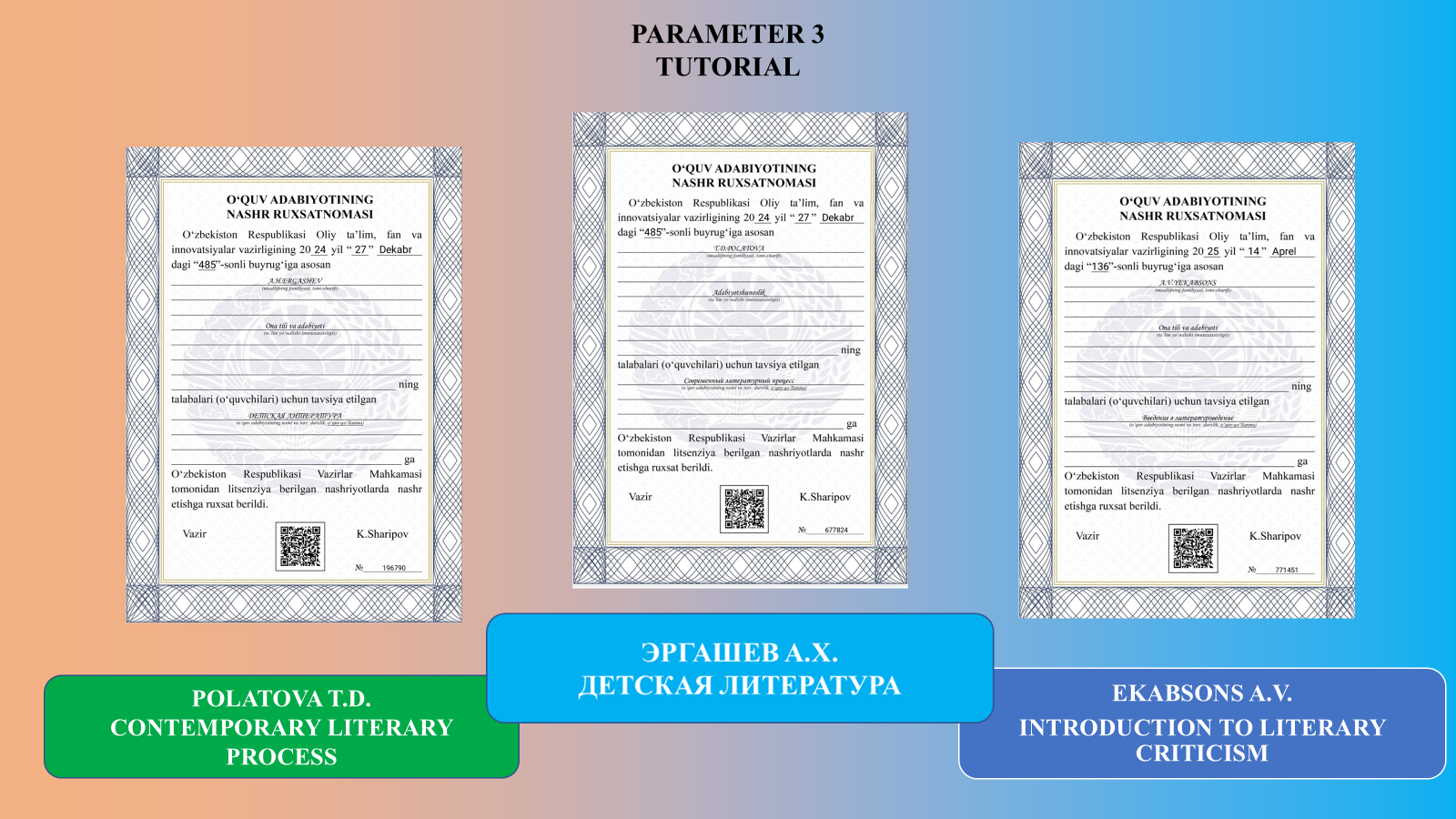
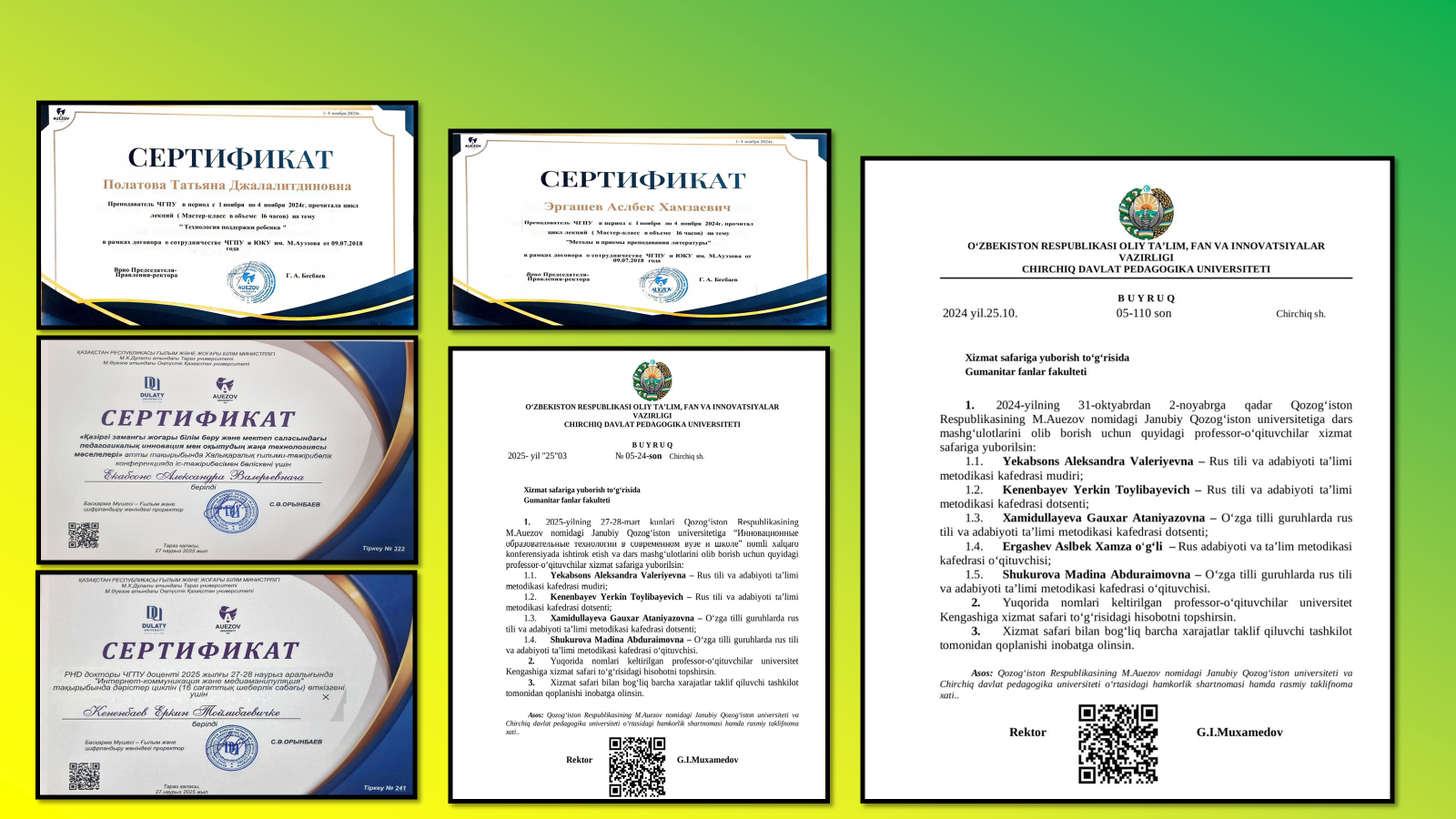
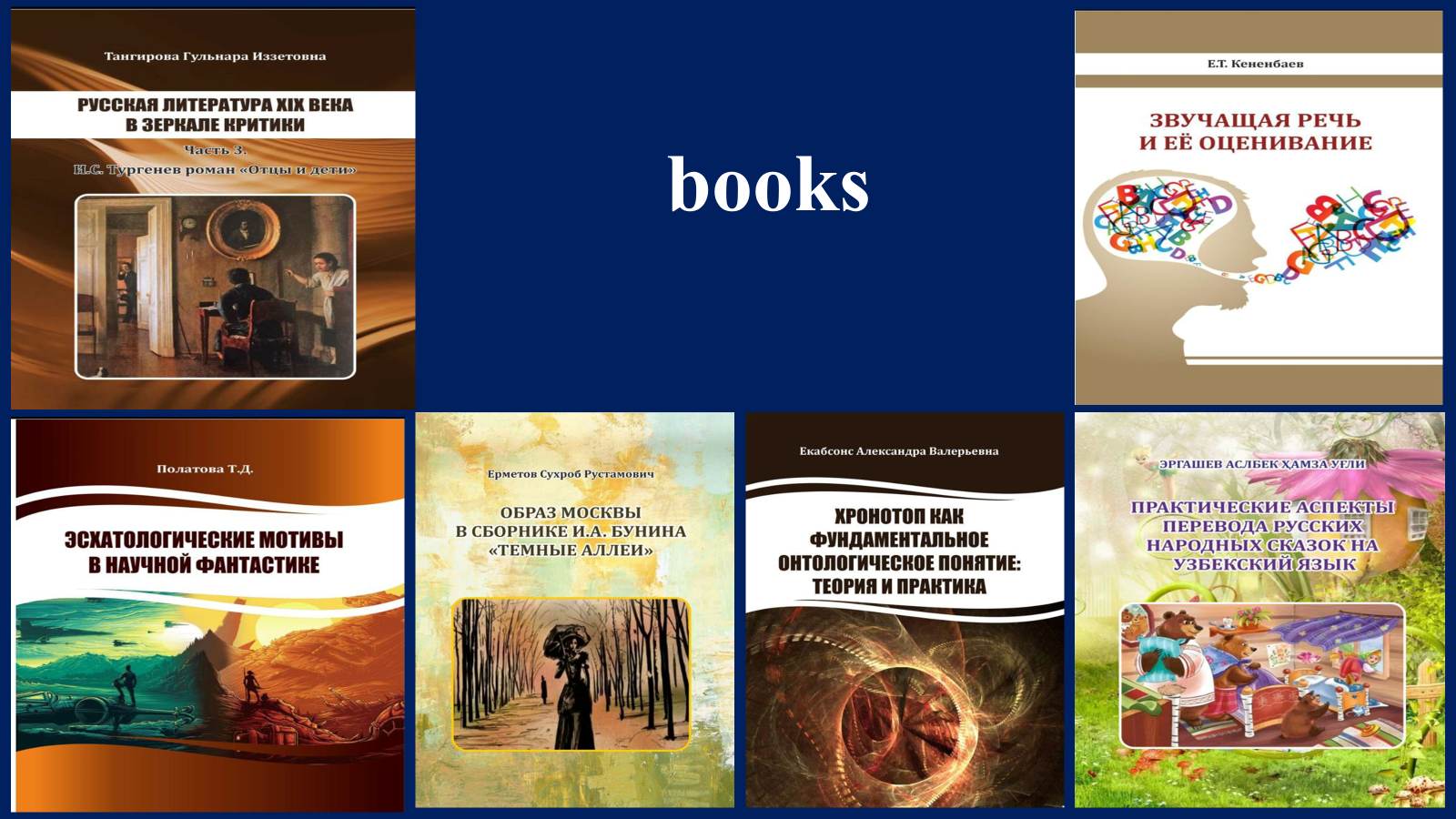
Ergashev Aslbek Hamza o‘g‘li
Senior Lecturer of the Department
Doctor of Philosophy (PhD) in Philology


- Phone: +998994959822
- Email ergashev.a@cspi.uz
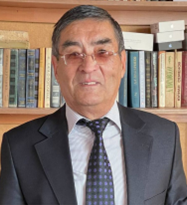
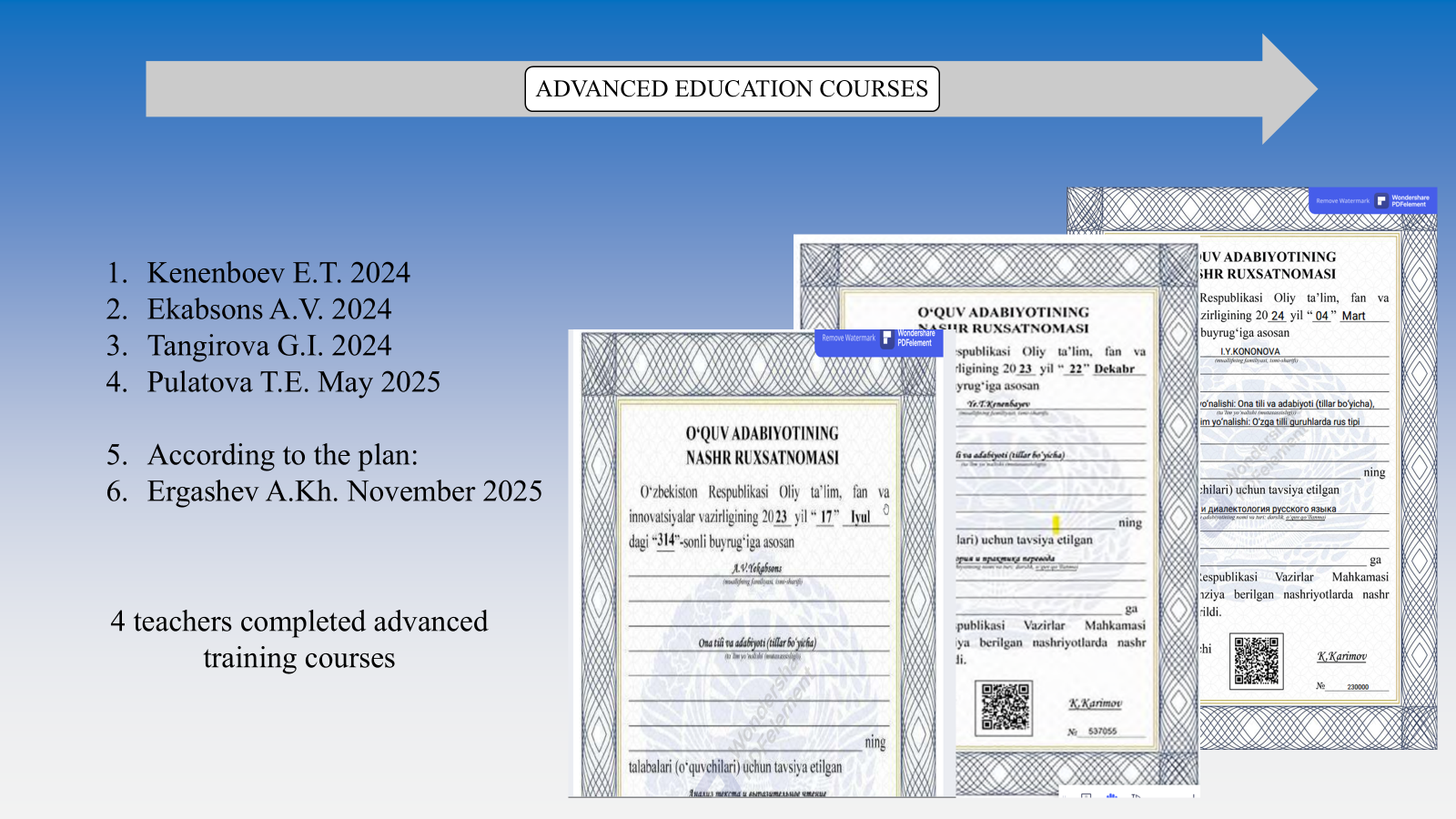
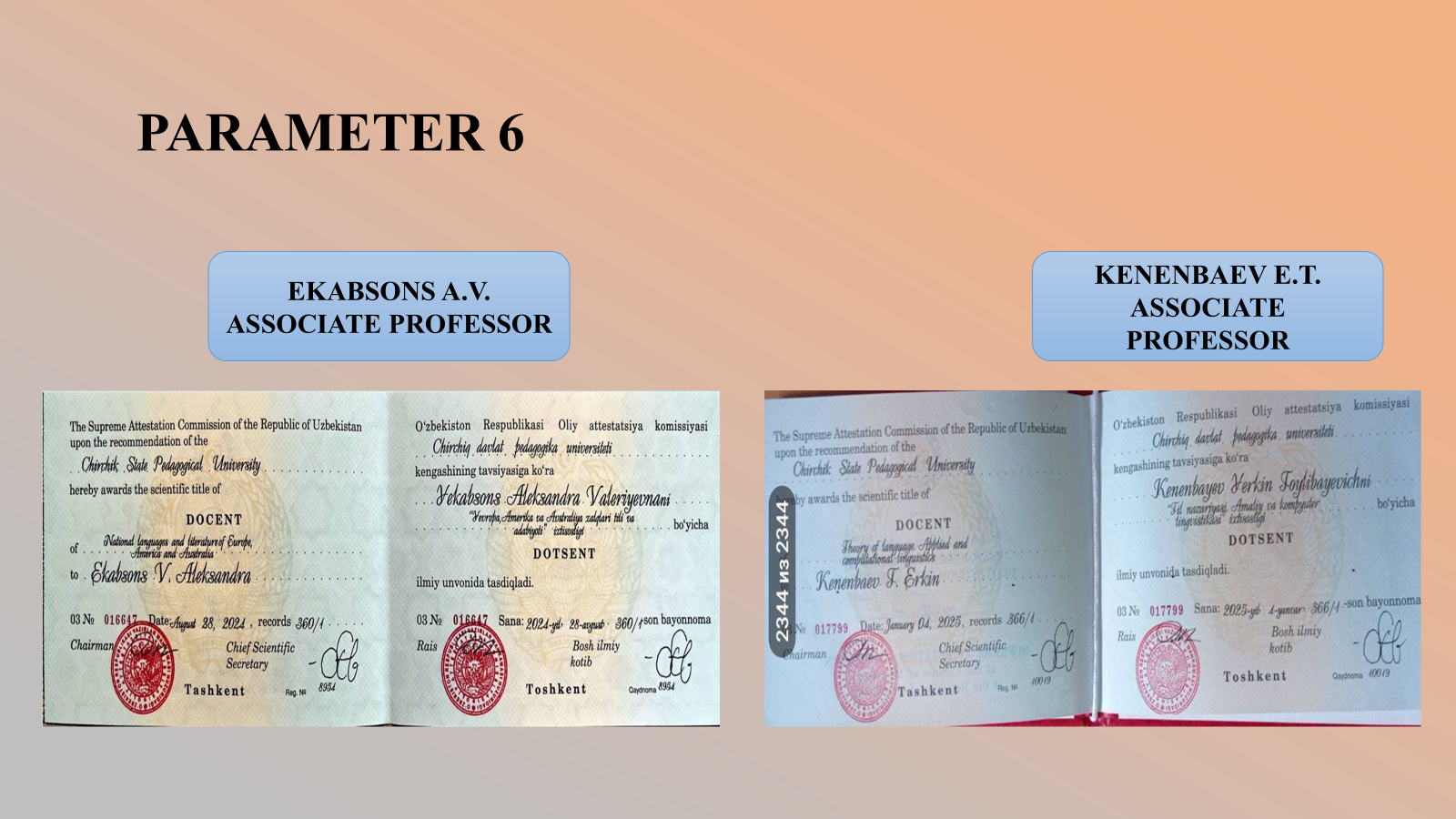
Kenenbaev Yerkin Toylibaevich
Associate Professor of the Department
Doctor of Philosophy in Philological Sciences PhD
- Phone: +998717166805
- Email Pargos1@mail.ru
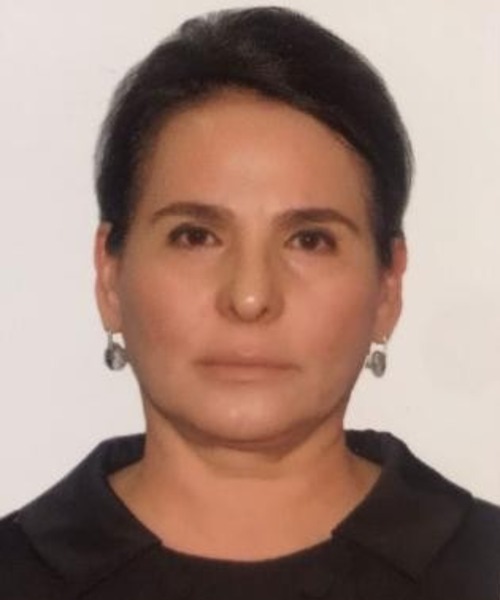
Gulnara
Senior Lecturer
- Phone: +998909210191
- Email tangirova.g@cspi.uz
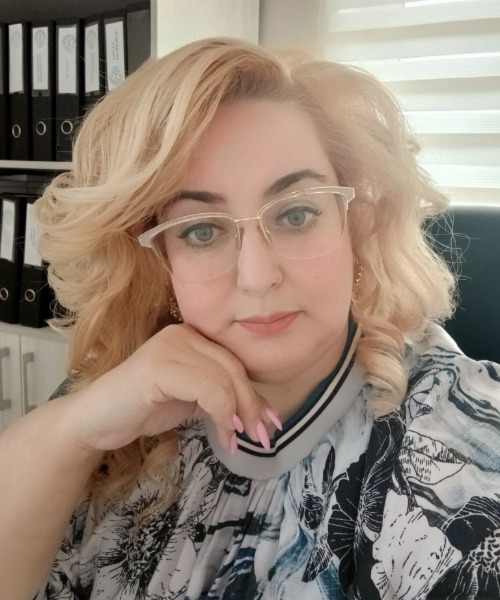
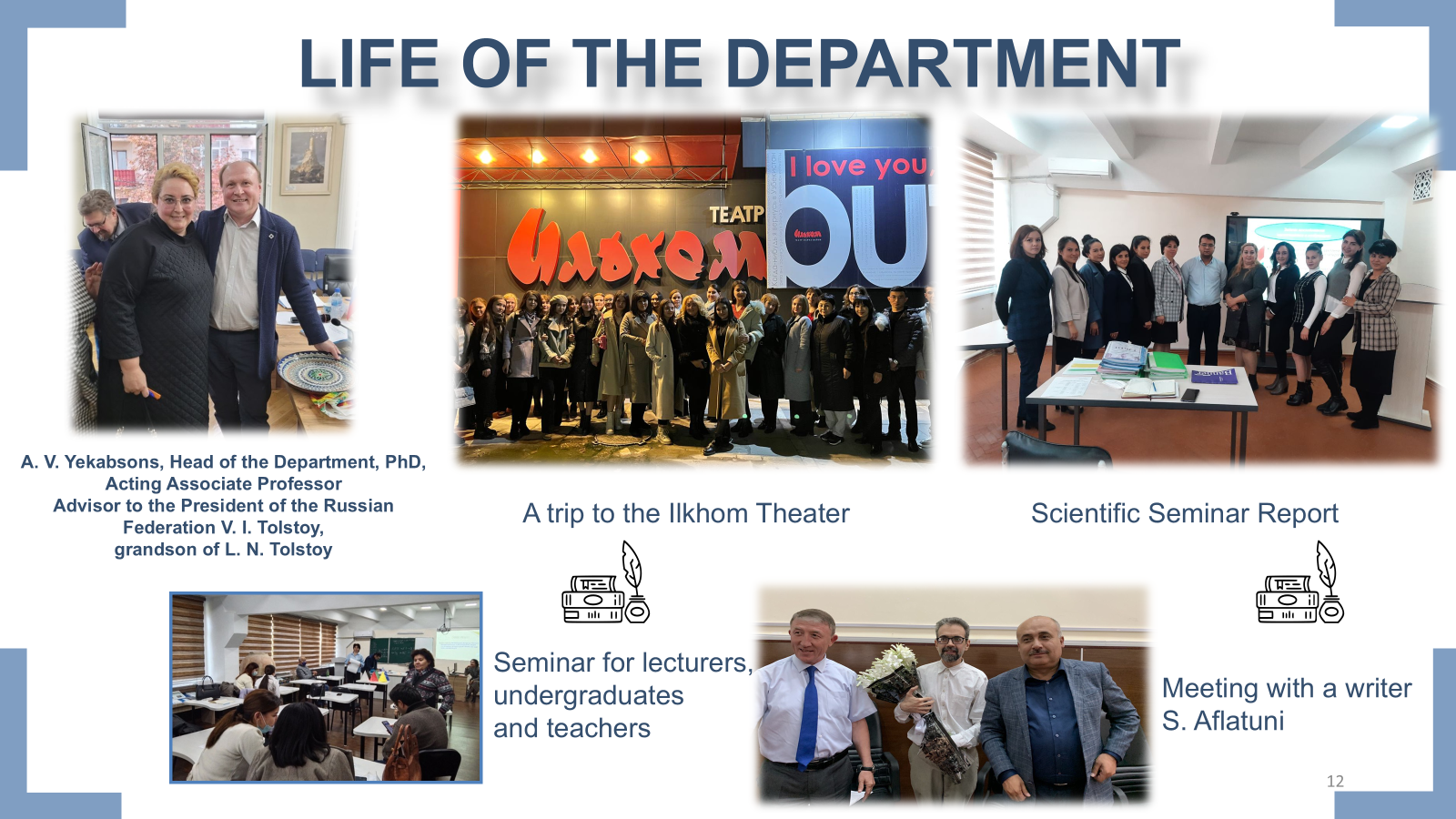
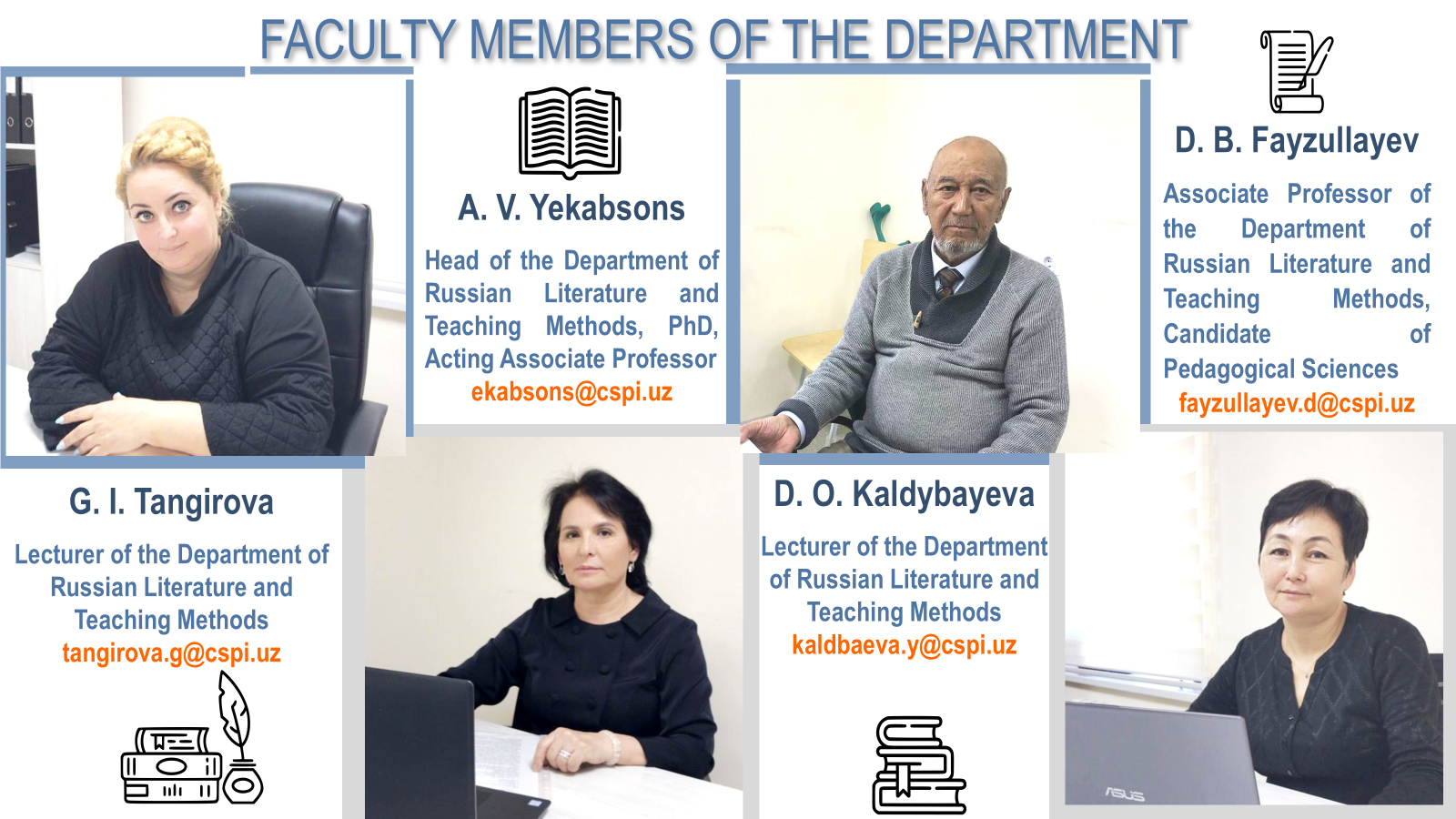
Yekabsons Aleksandra Valerevna
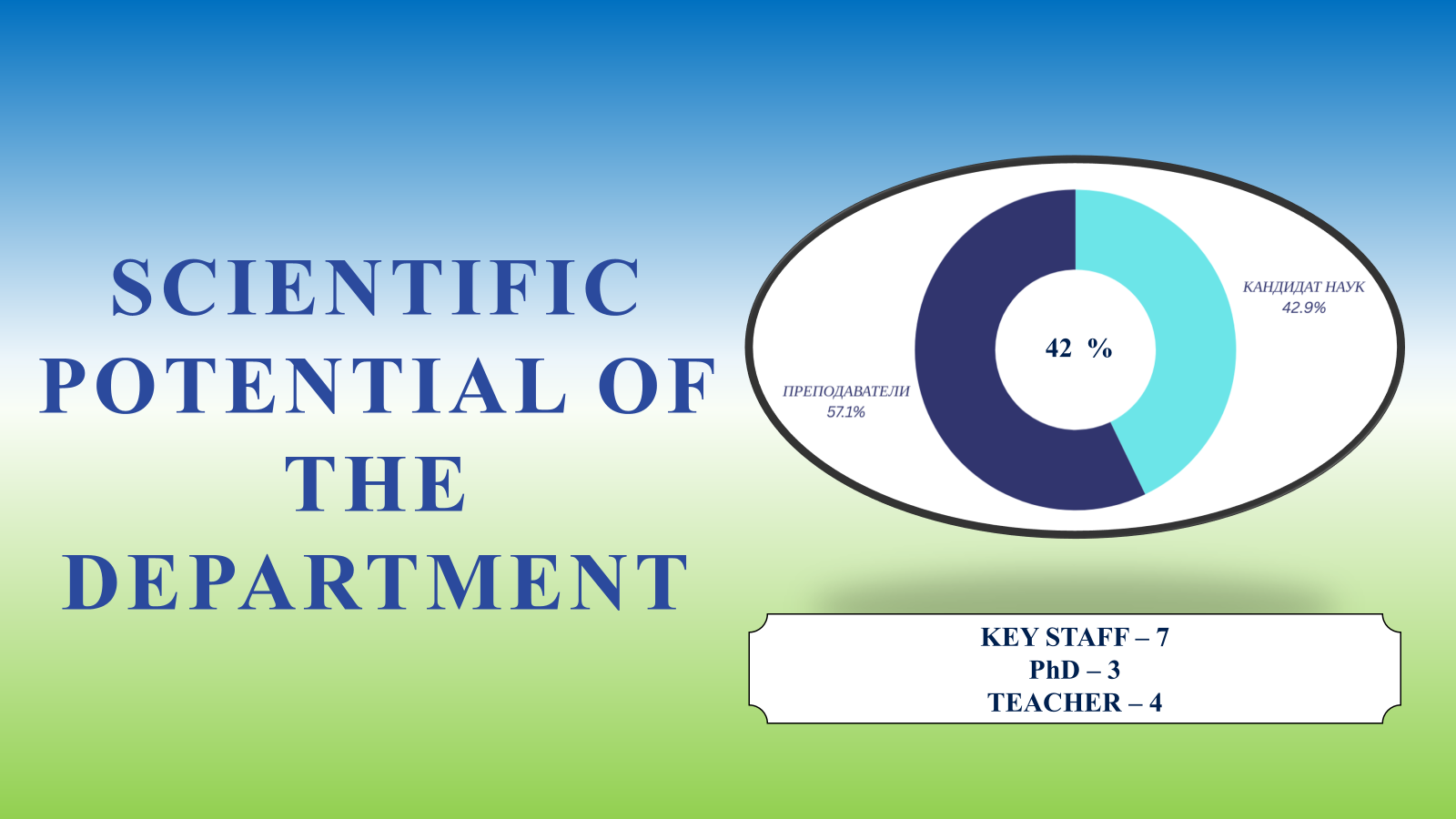
Head of the Department
PhD, associate professor

- Phone: +998933942161
- Email ekabsons@cspi.uz
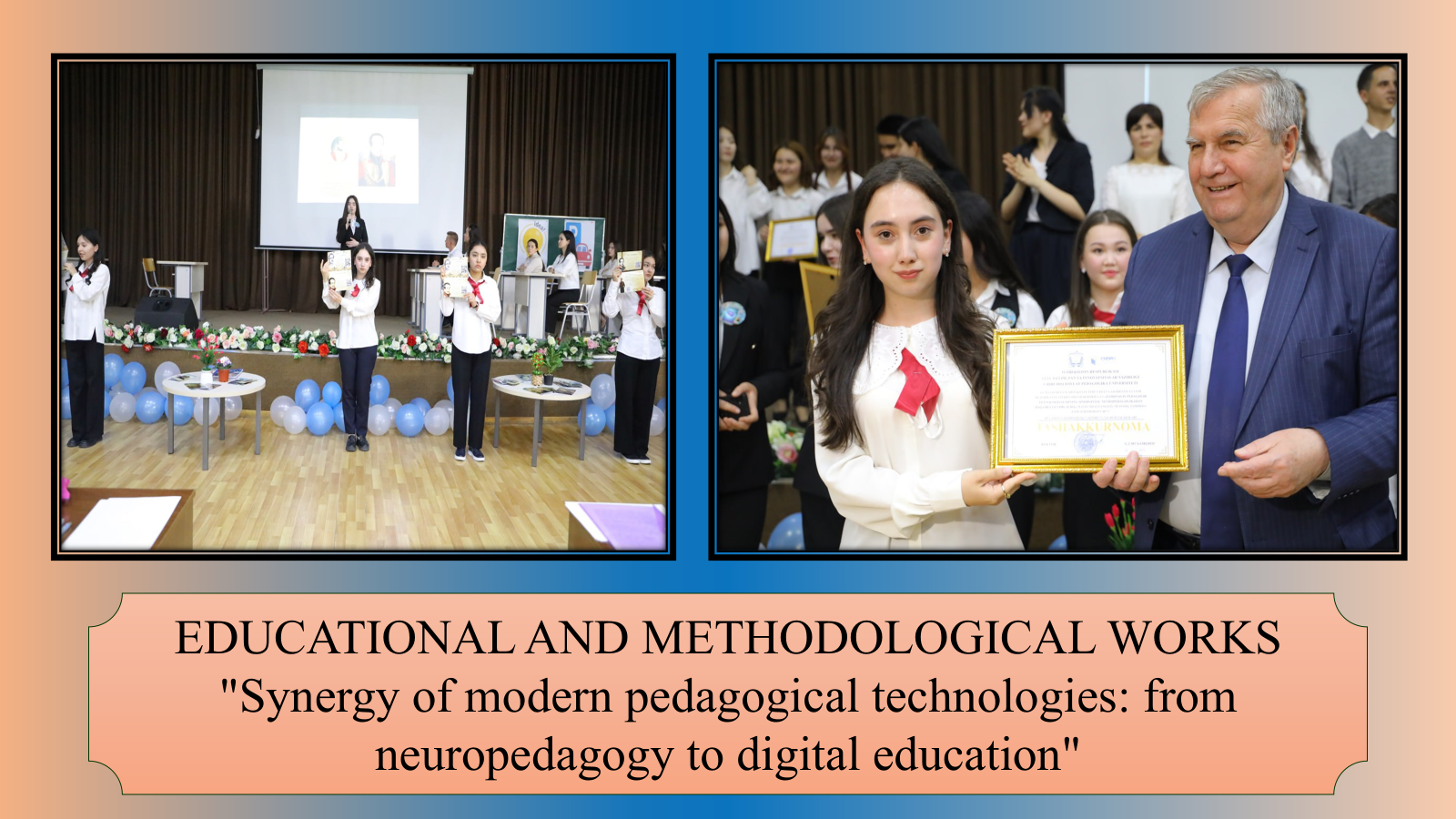
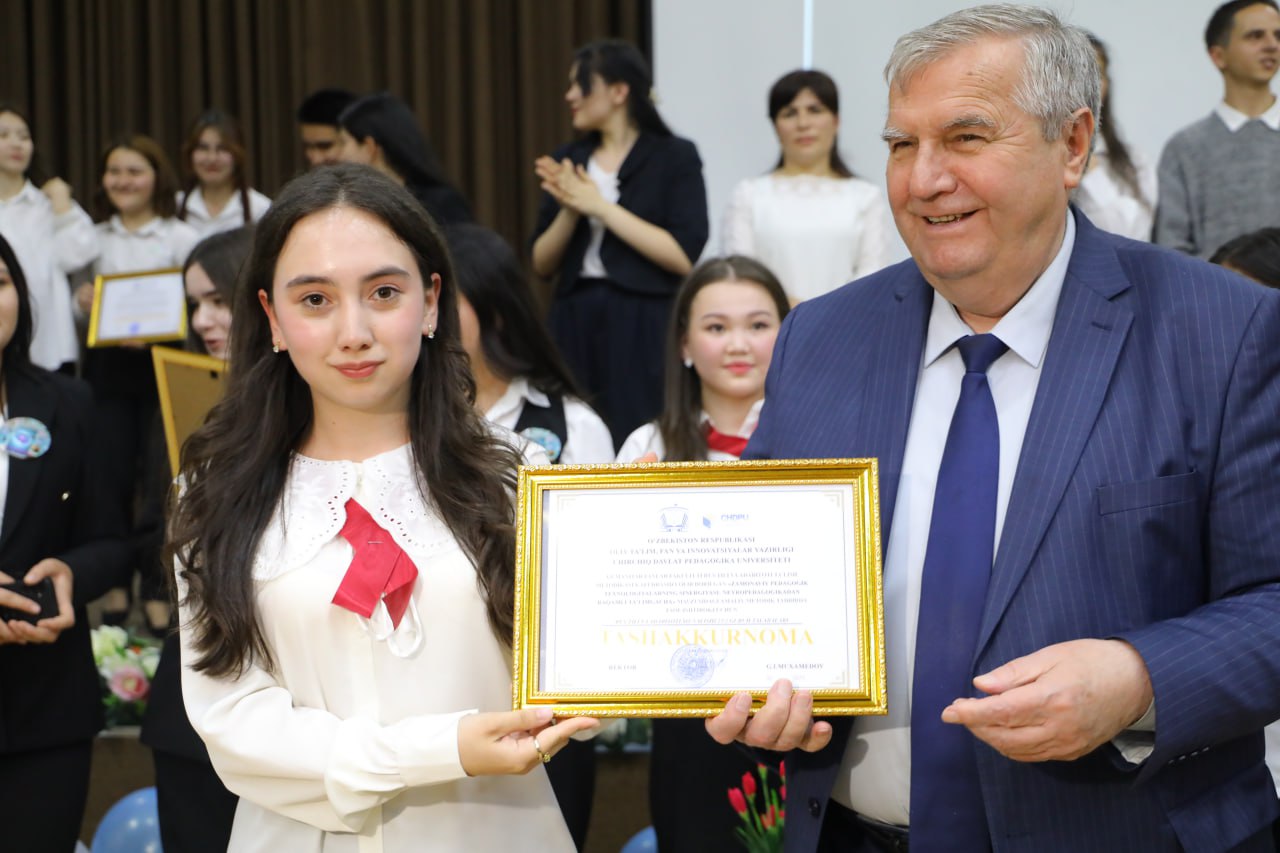
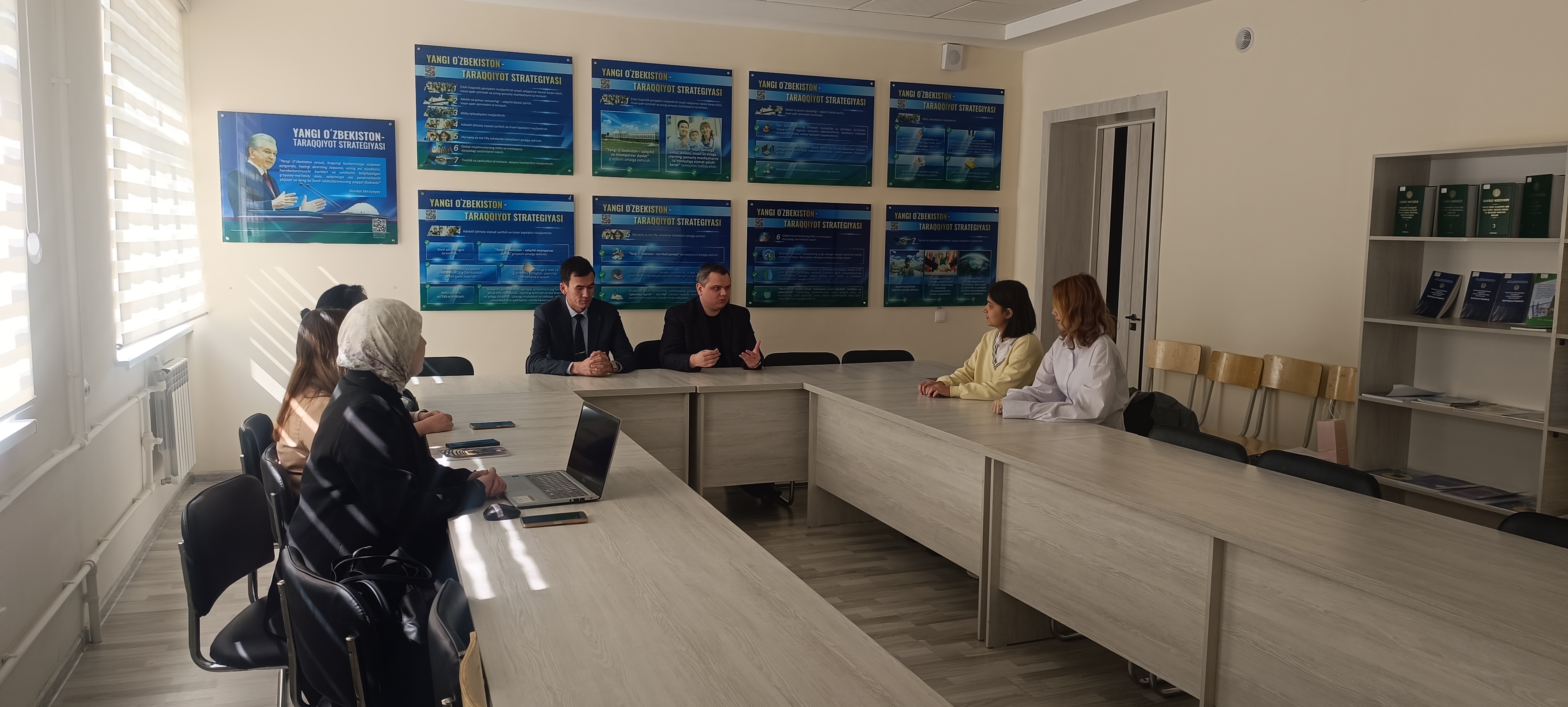
On April 11, 2025, Chirchik State University hosted an academic and methodological seminar titled “Synergy of Modern Pedagogical Technologies: From Neuropedagogy to Digital Learning.” The seminar was organized by the Department of Methods of Teaching Russian Language and Literature at the Faculty of Humanities.
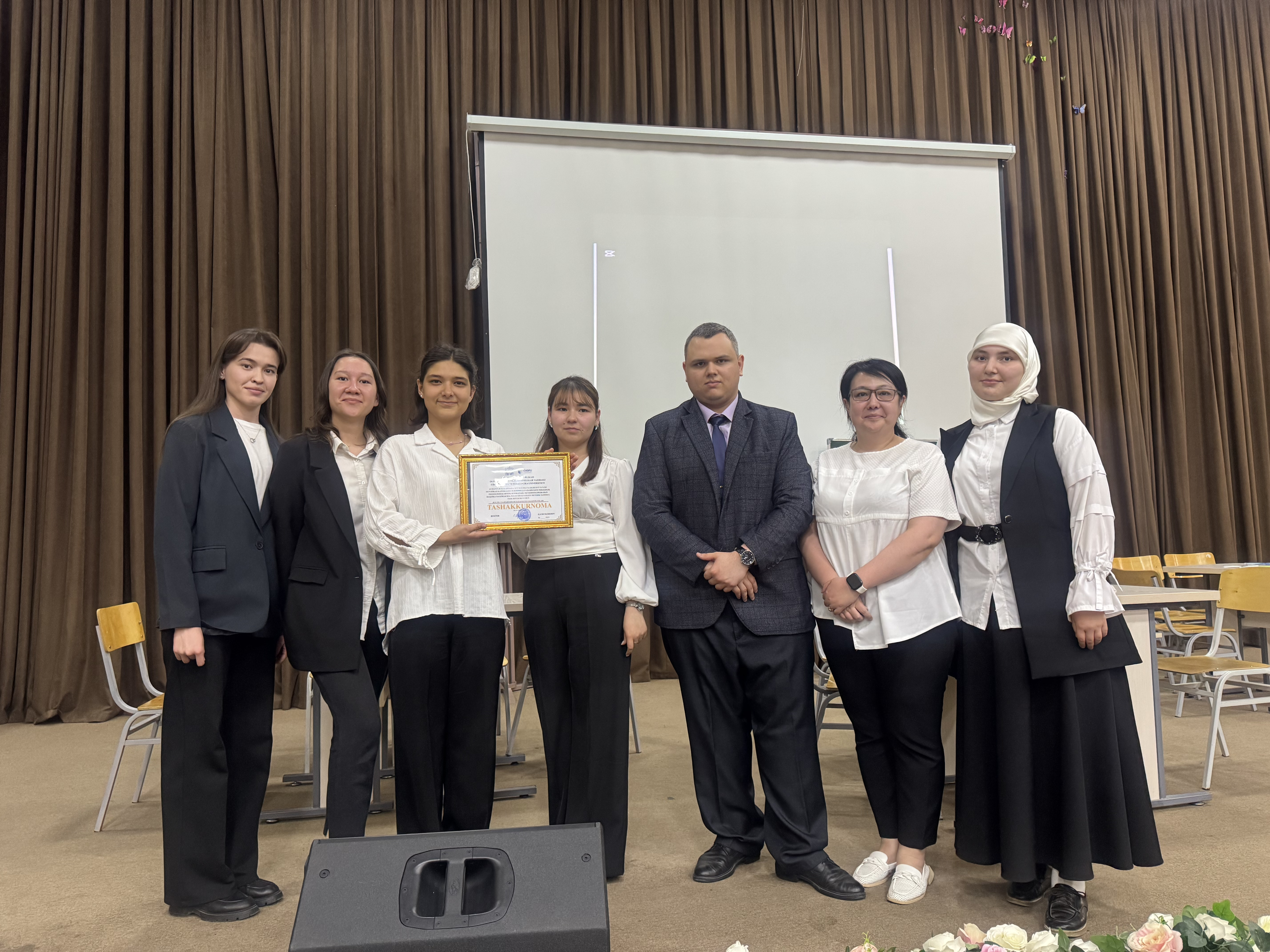
The university’s rector, G.I. Mukhamedov, highly praised the results of the students’ work.
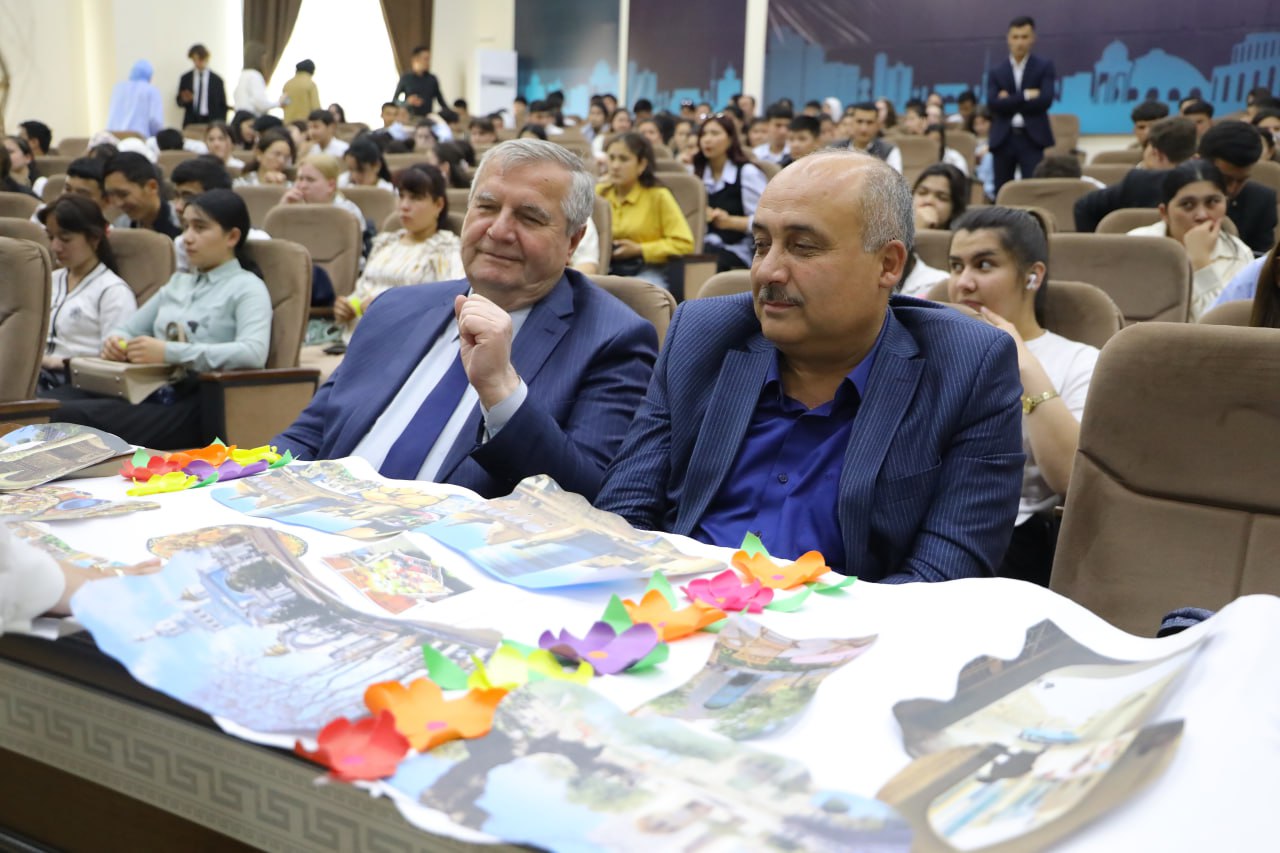
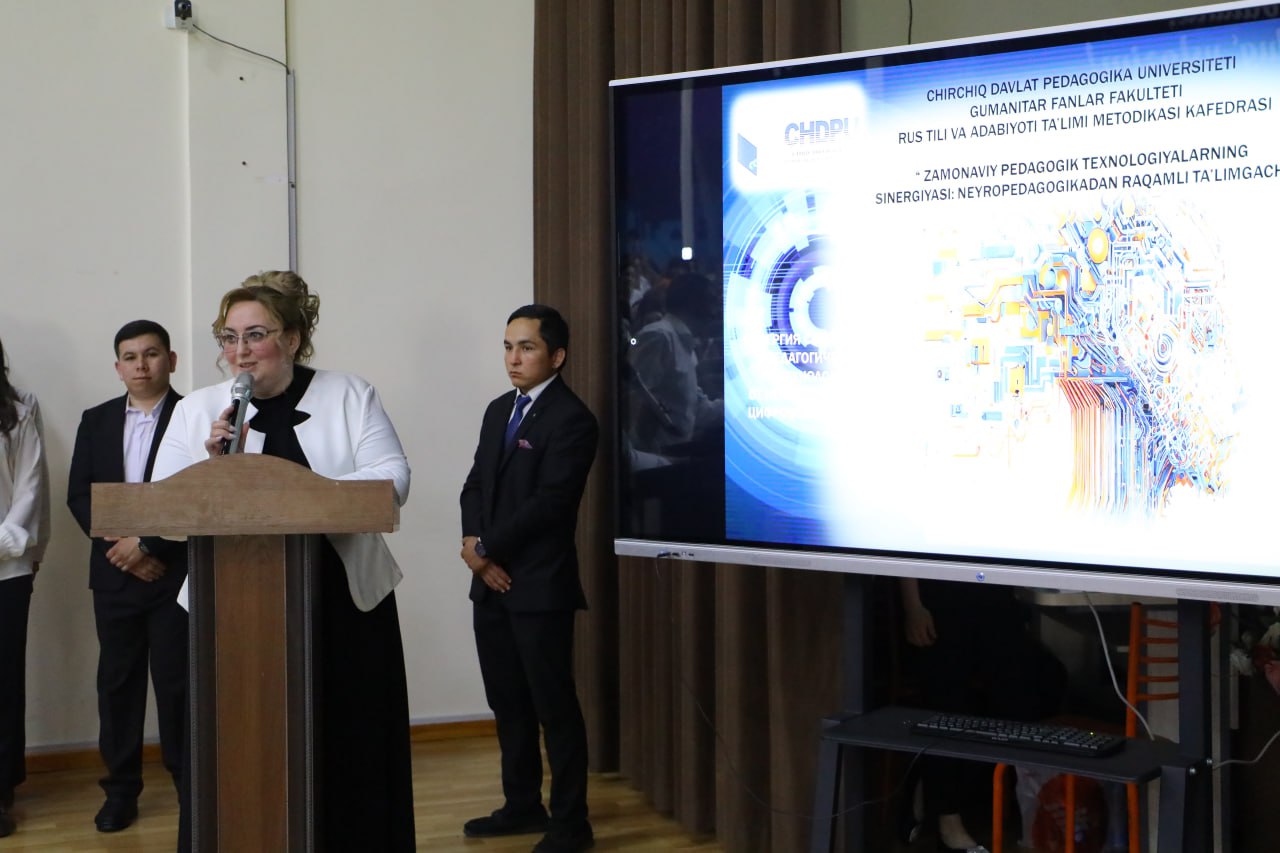
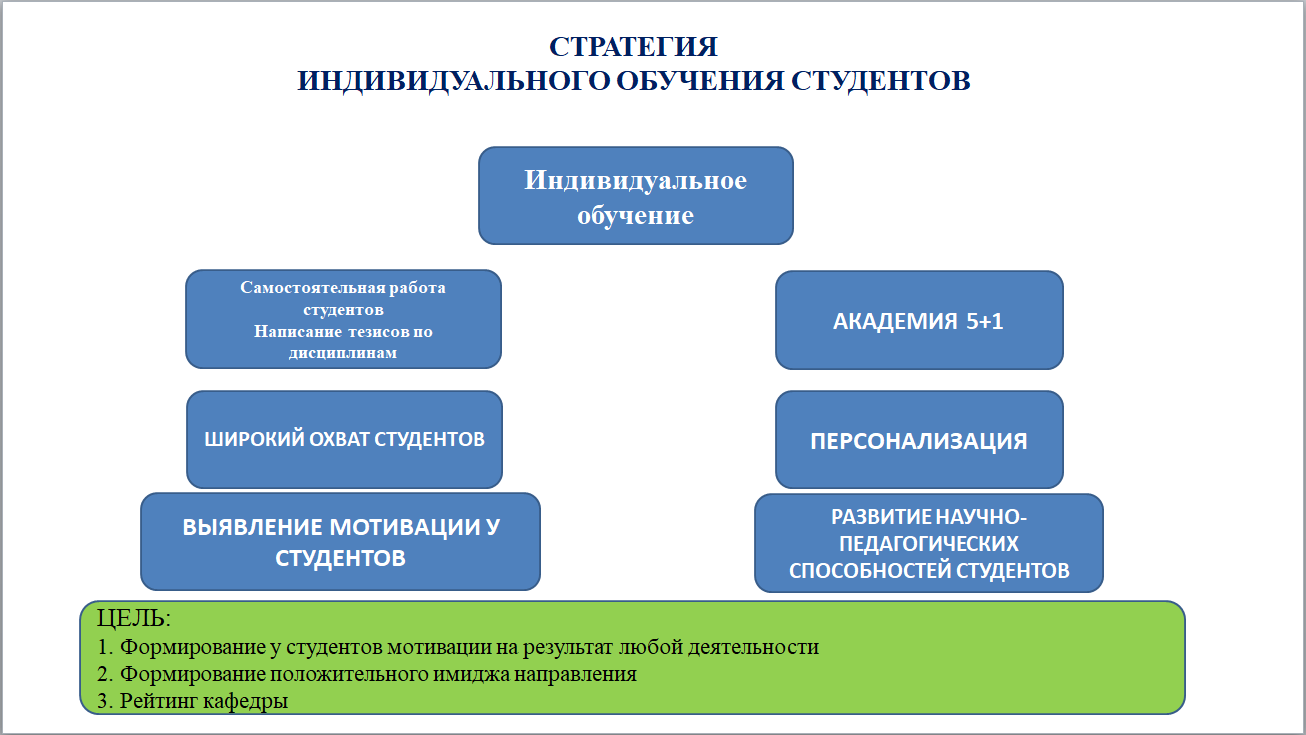
The seminar presented the following areas of activity::
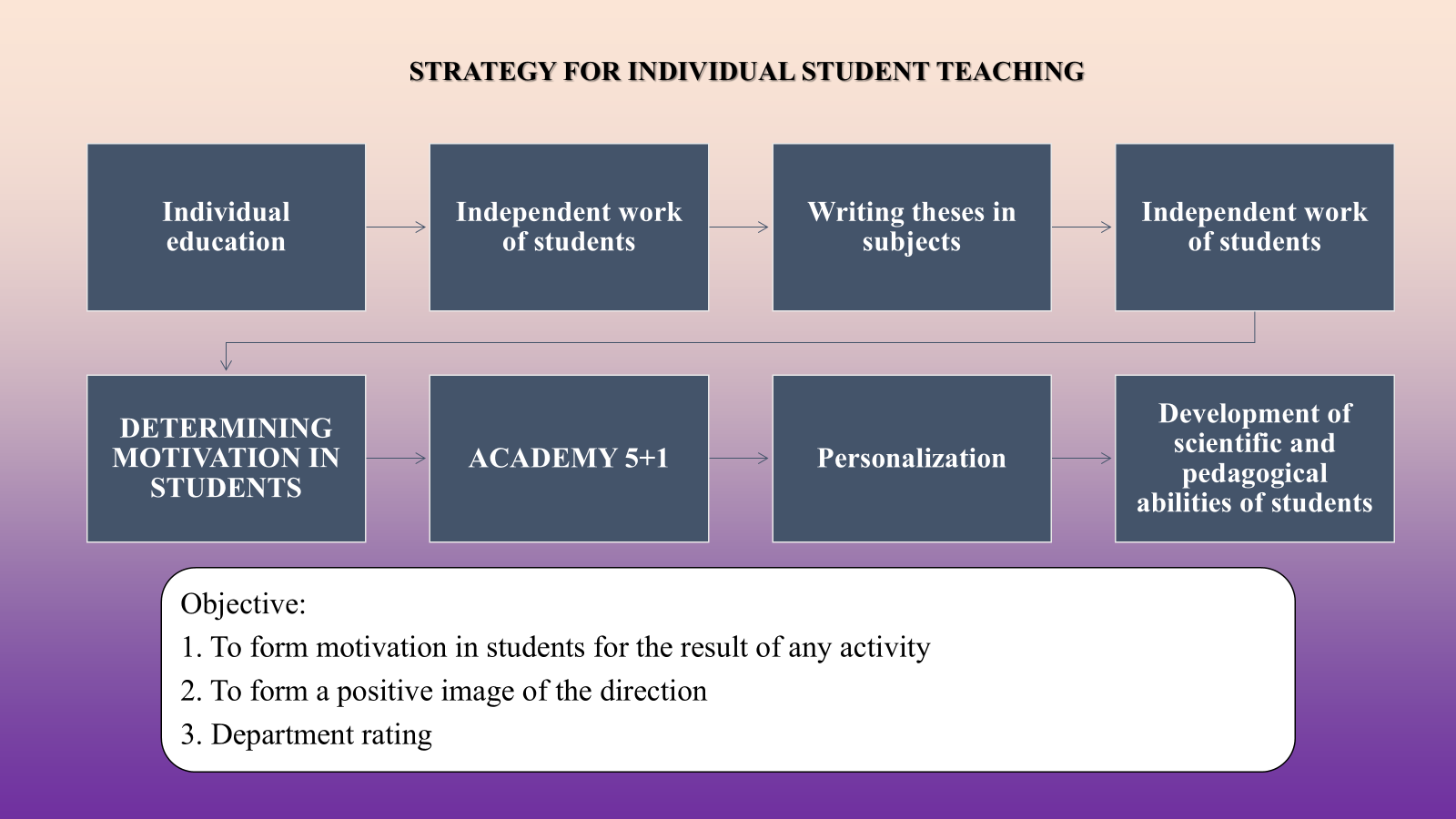
1. Presentation of a Student-Centered Learning Strategy – an individualized approach to teaching students.
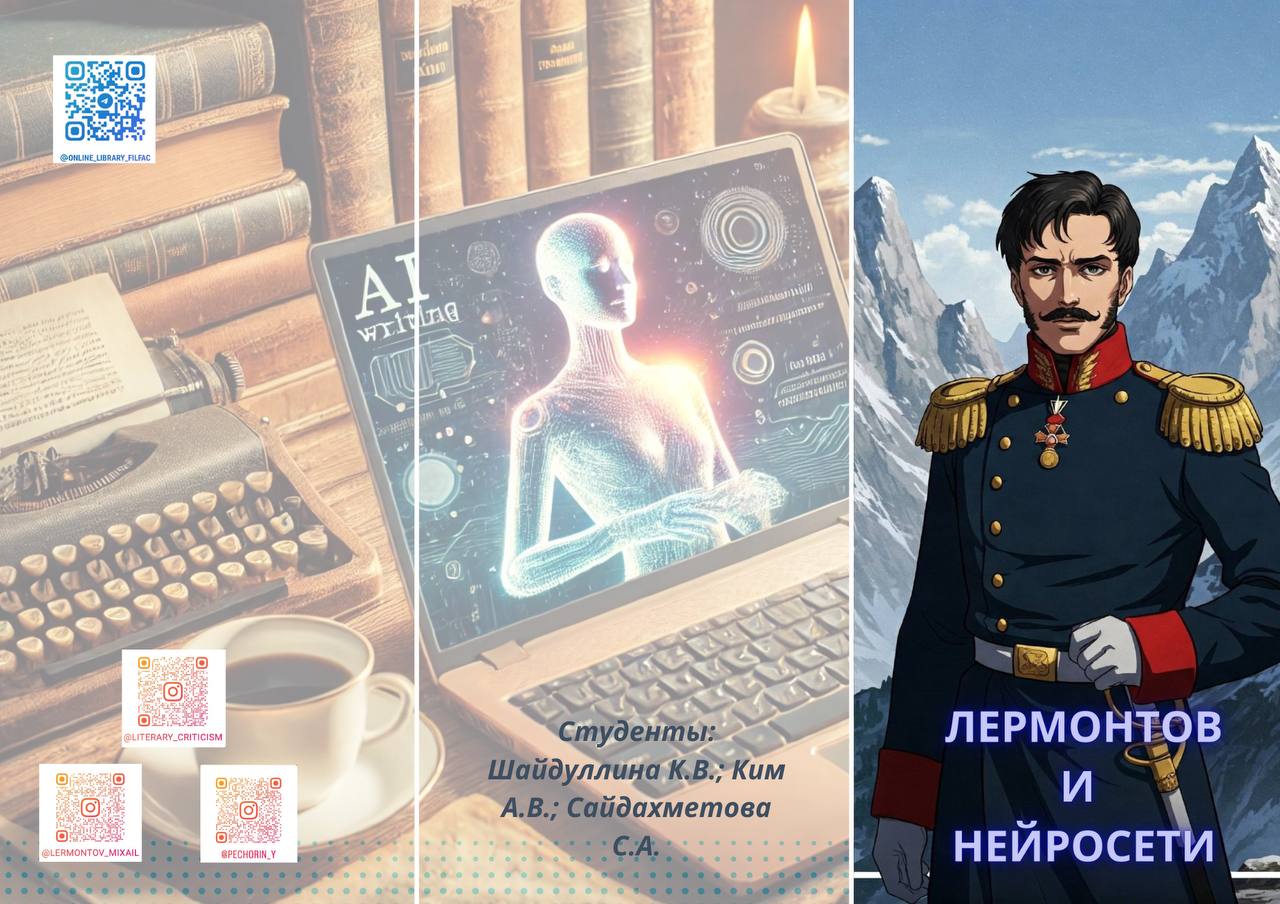
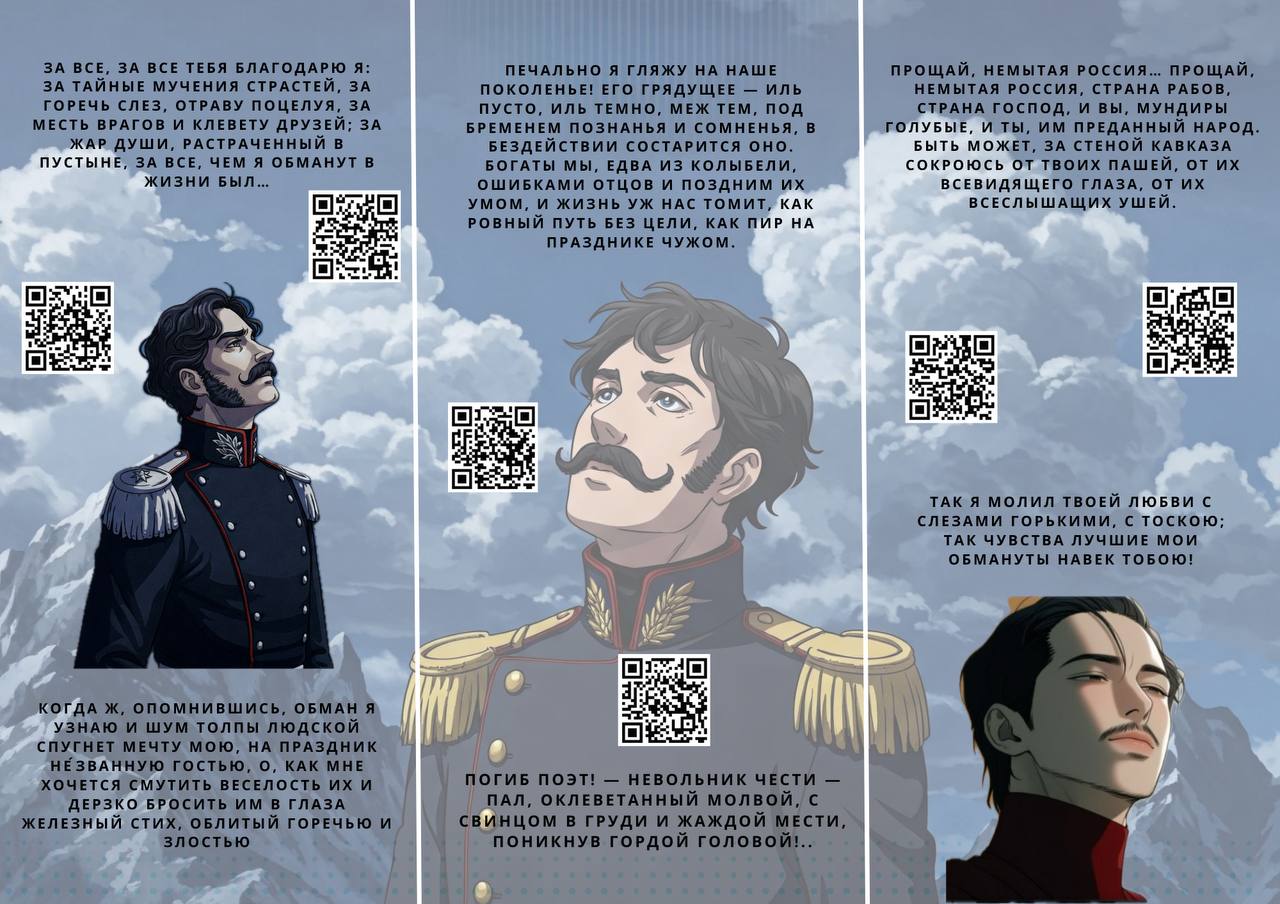
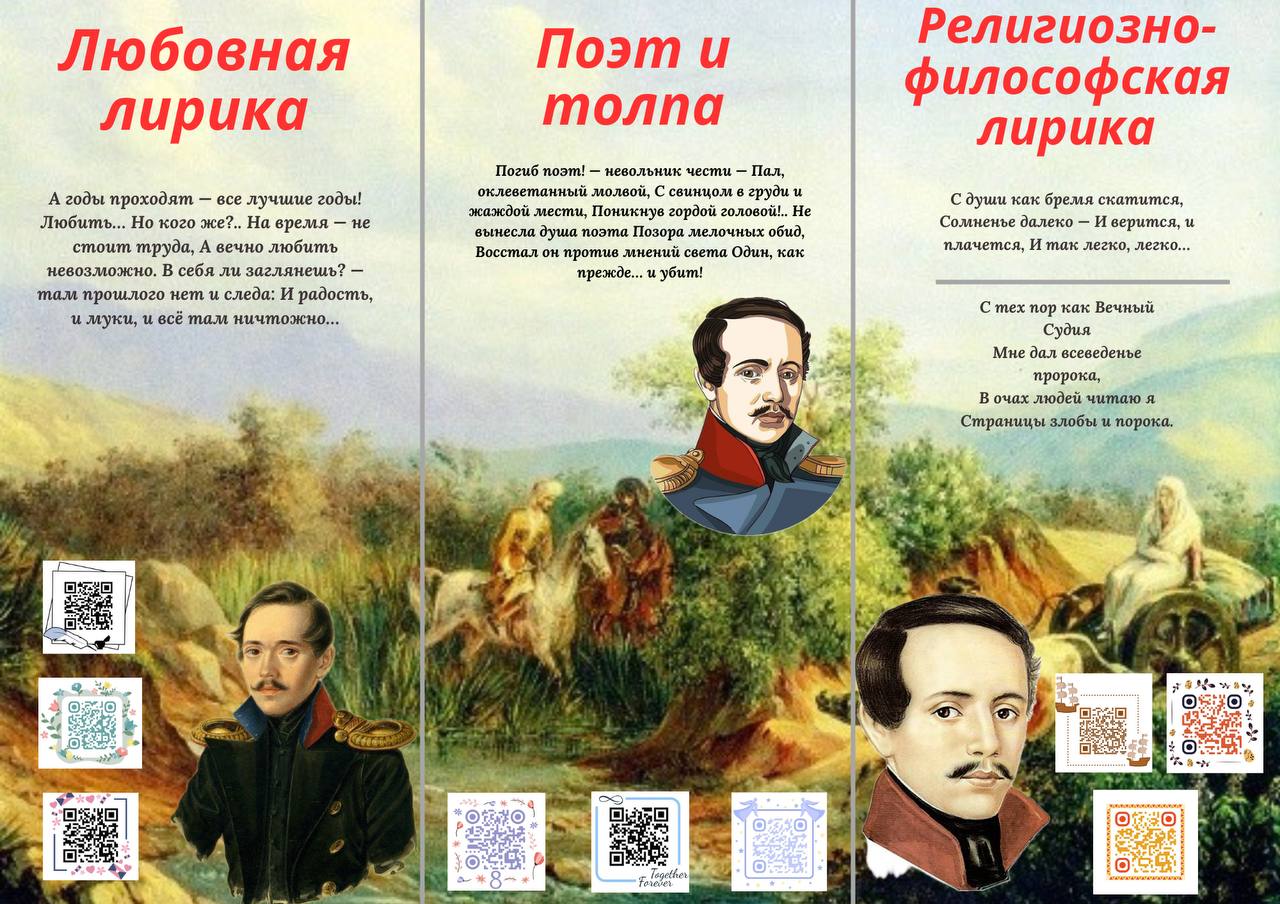
2. Presentation of the Student Project “Classics in Digital” – a project integrating IT technologies into teaching methodology. Participants created social media accounts for the characters of M. Lermontov’s novels. The accounts received more than 200,000 views and positive comments. Students also developed methodological guides, brochures, booklets, comics, and a graphic novel based on the writer’s works. Another noteworthy initiative was a website dedicated to N.V. Gogol, featuring the author’s works presented as mini-lectures with an animated teacher. The website also contains tests and games to assess students’ knowledge. Digital platforms and artificial intelligence were actively used in this project, following the “Immersion” teaching method.
3. Master’s Project “SMART DIDACTICS” – a school laboratory that combined traditional teaching methods with artificial intelligence in the schools of Chirchik. The project is carried out by third-year students under the leadership of Master’s student R.R. Bakirov, who raised the issue of neuroprogramming in the humanities.
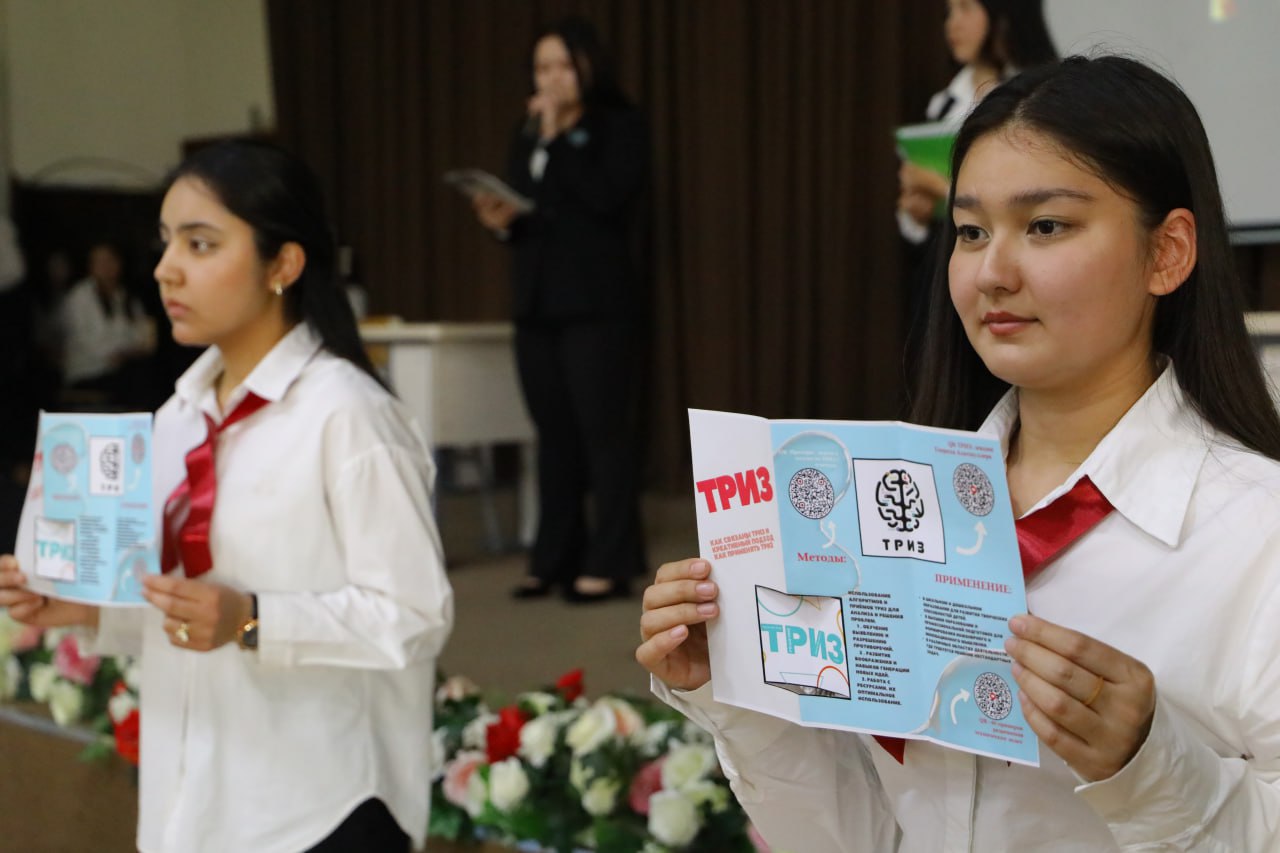
4. Second-Year Students’ Project Based on TRIZ Technology – they prepared methodological materials for schools in the Parkent district.
5. Fourth-Year Students’ Project “Flipped Learning” – a model in which students study lecture material at home, while class time is dedicated to practical discussion and analysis.
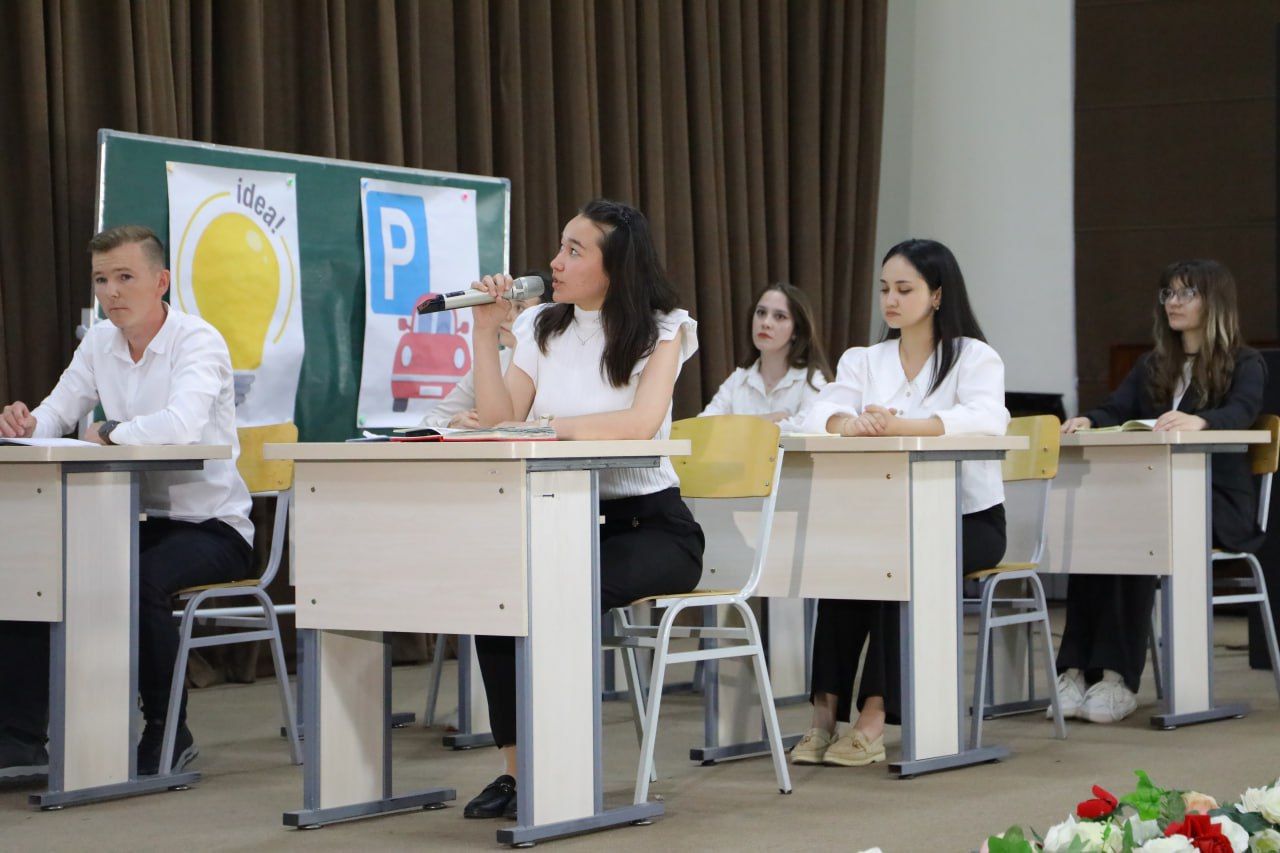
6. First-Year Students’ Project “Singaporean Learning” – a model based on the 4Cs: creativity, collaboration, communication, and critical thinking. The model is being successfully implemented by students during their teaching practice in schools..
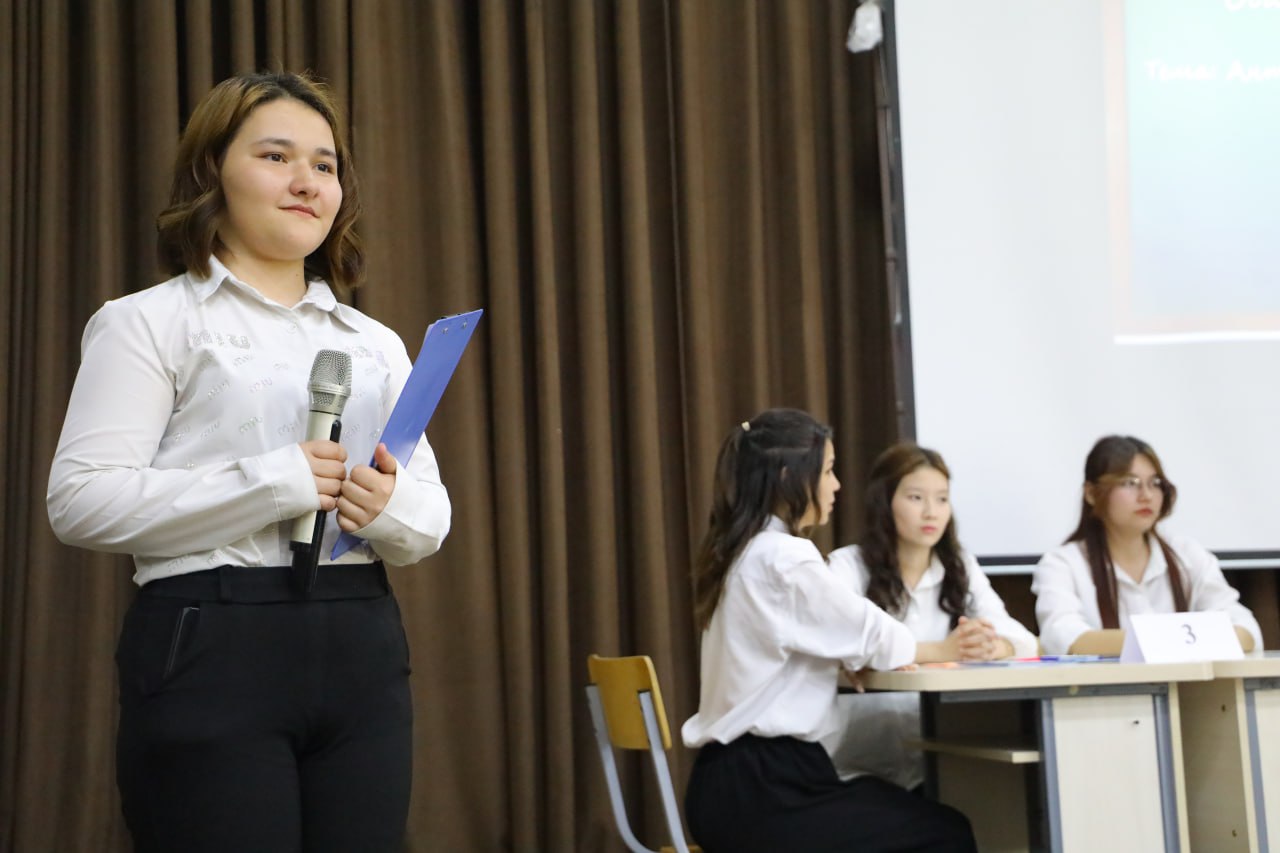
7. Second-Year Students’ Project “Neuropedagogy: How the Brain Learns” – students prepared exercises and techniques to activate the left and right hemispheres of the brain to improve memory and cognitive skills.
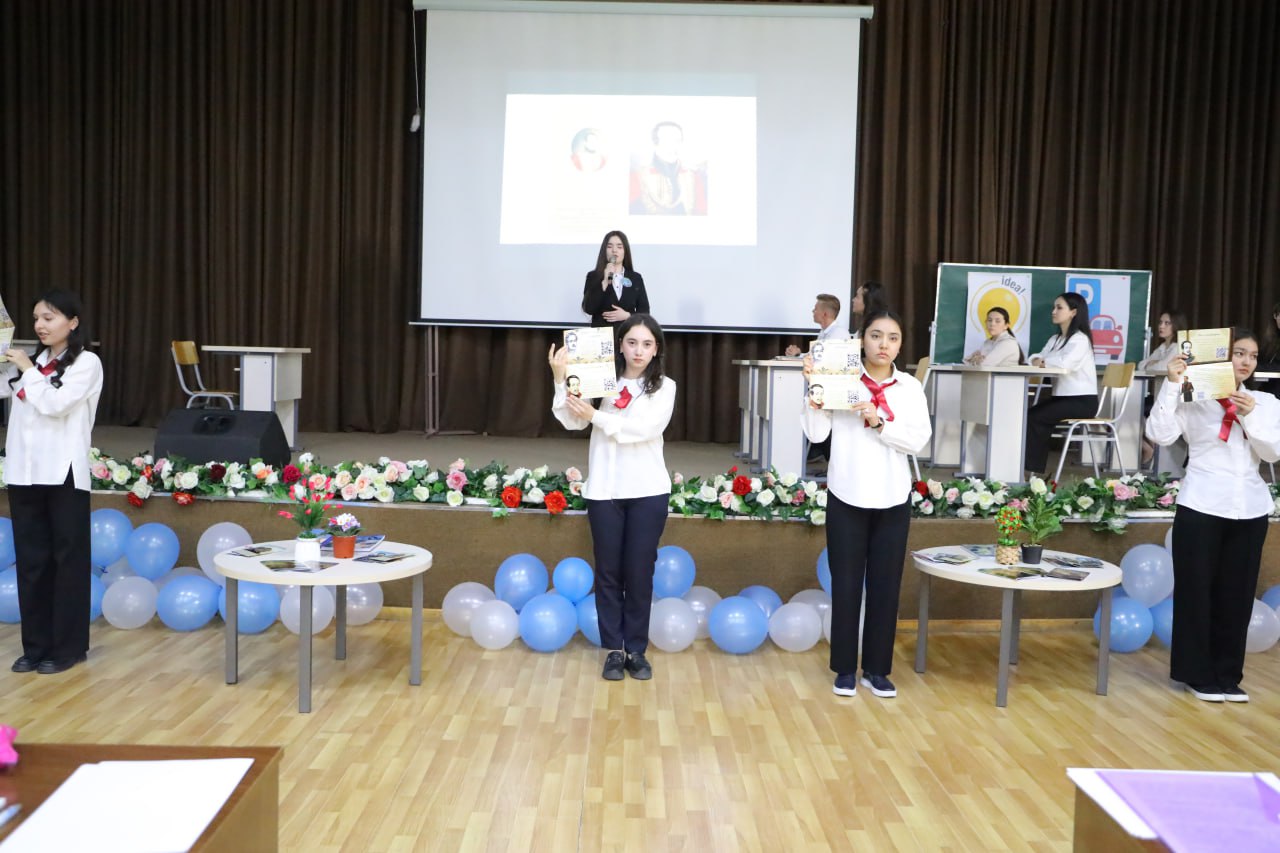
The projects were supervised by the teaching staff of the department::
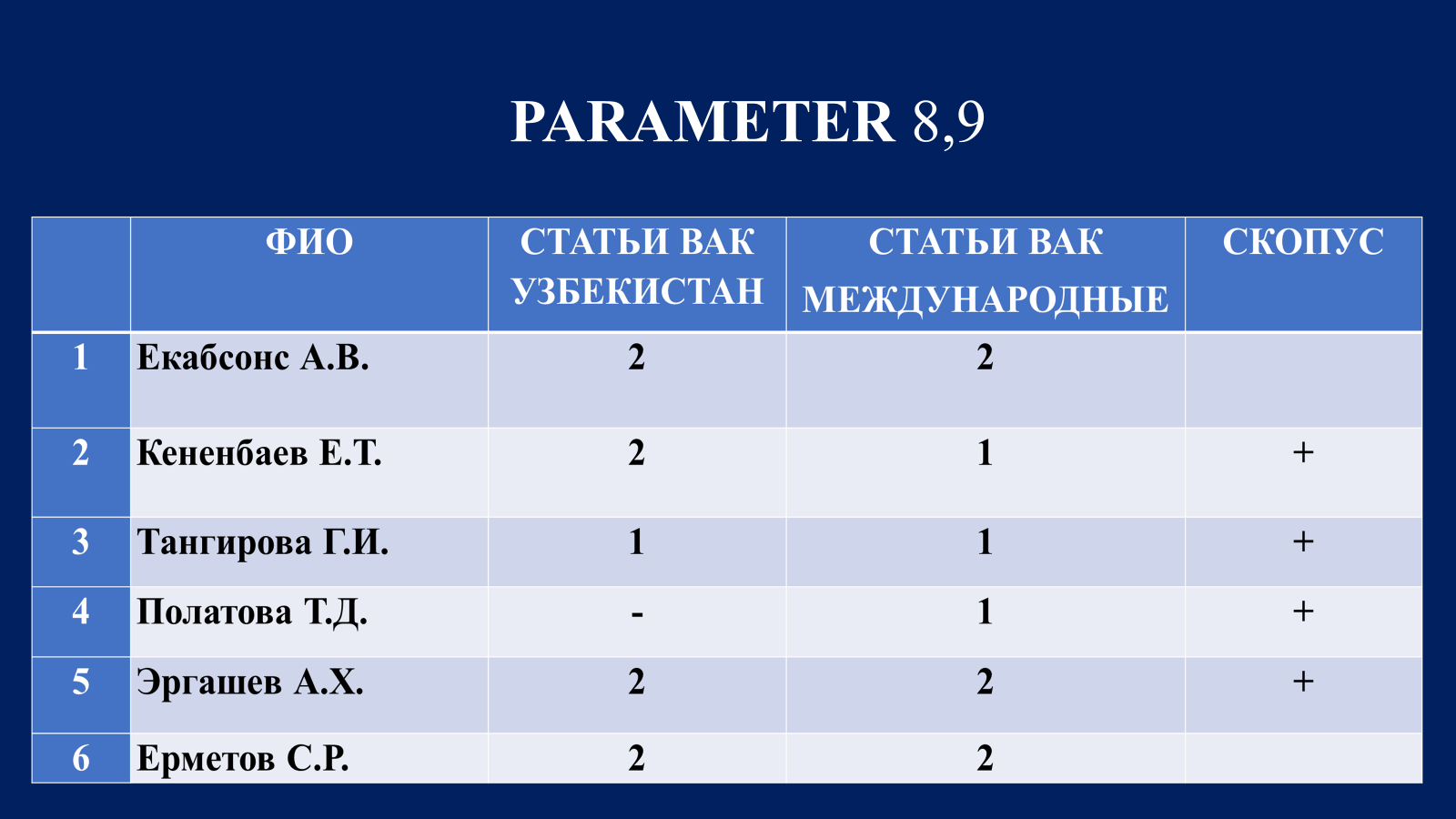
1. Head of the Department, Associate Professor, PhD A.V. Ekabsons – supervised the projects “Classics in Digital” and “Neuropedagogy.”.
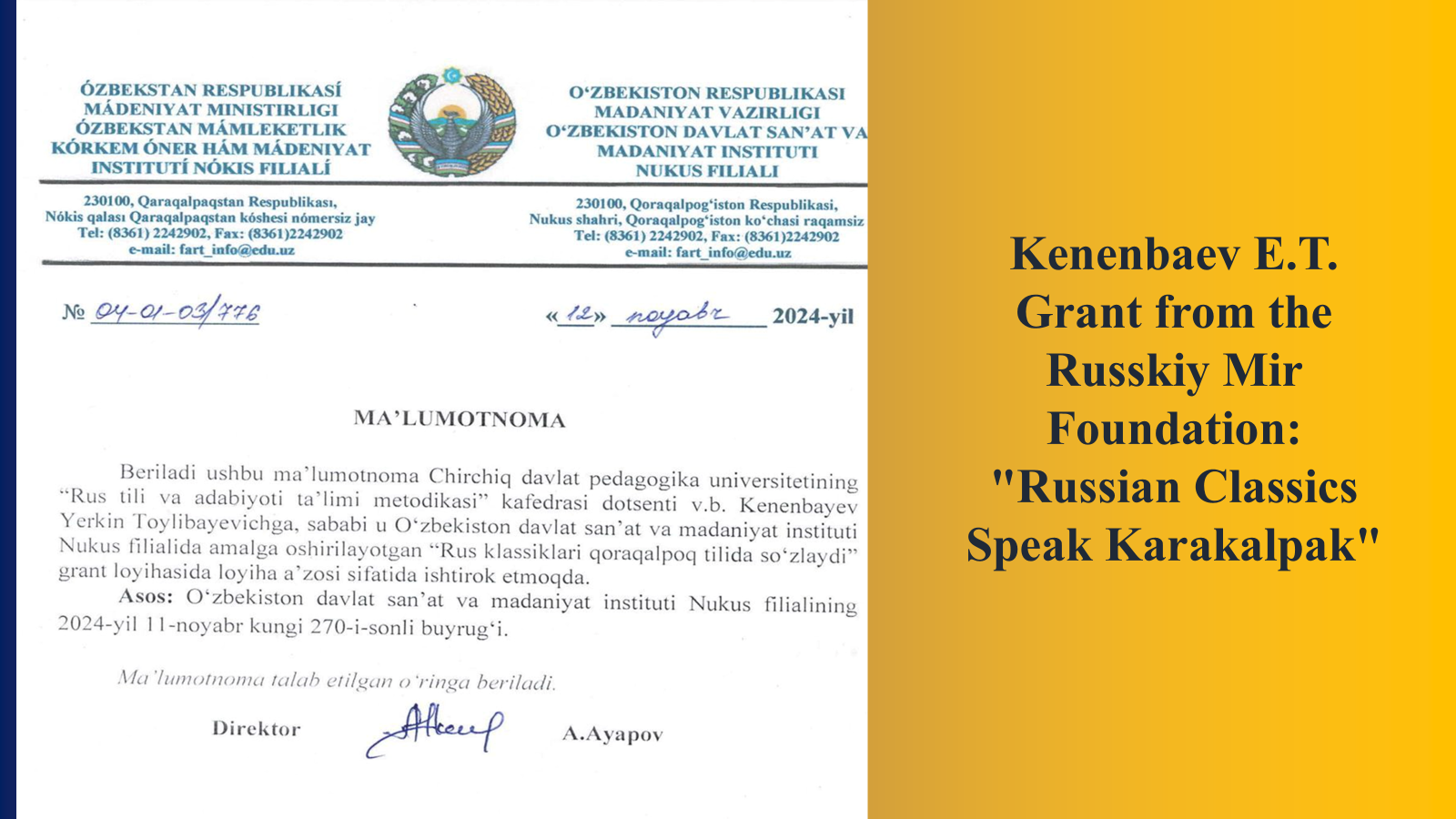
2. Associate Professor, PhD E.T. Kenenbaev – supervised the “Flipped Learning” project.
3. Senior Lecturer G.I. Tangirova and Lecturer S.R. Ermetov – contributed to project implementation..
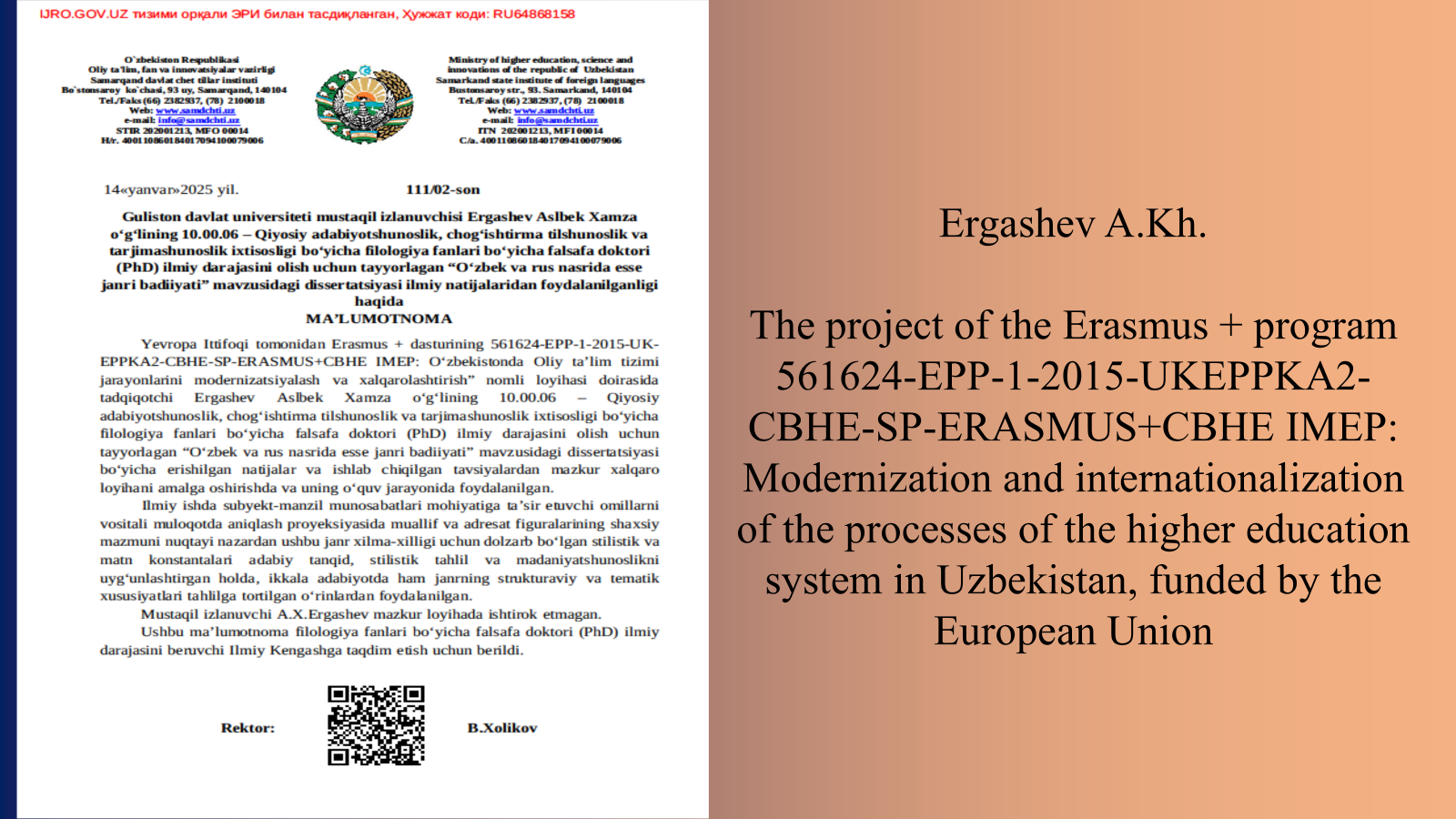
4. Lecturer A.Kh. Ergashev – coordinated work in the schools of the Parkent district.
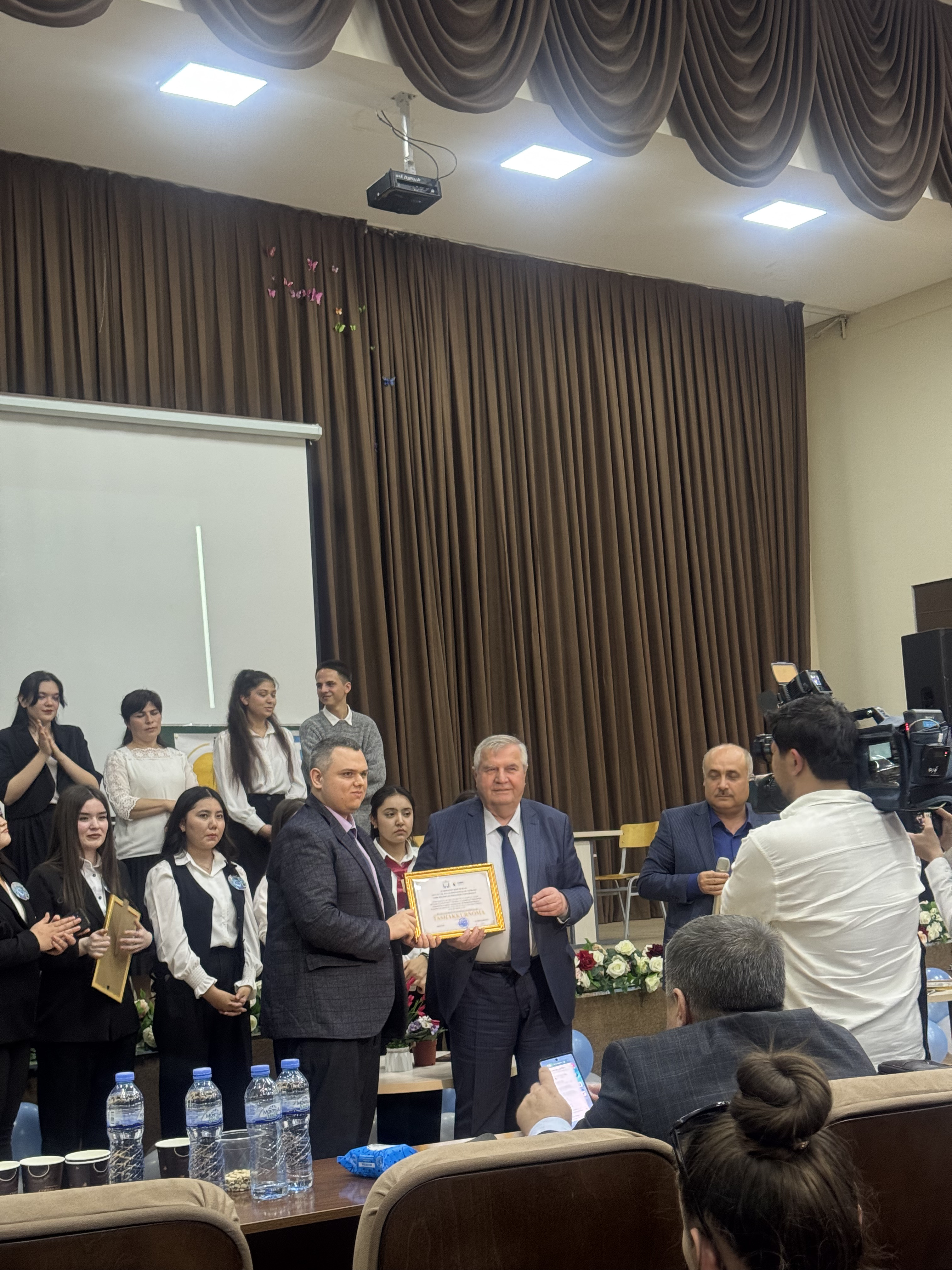
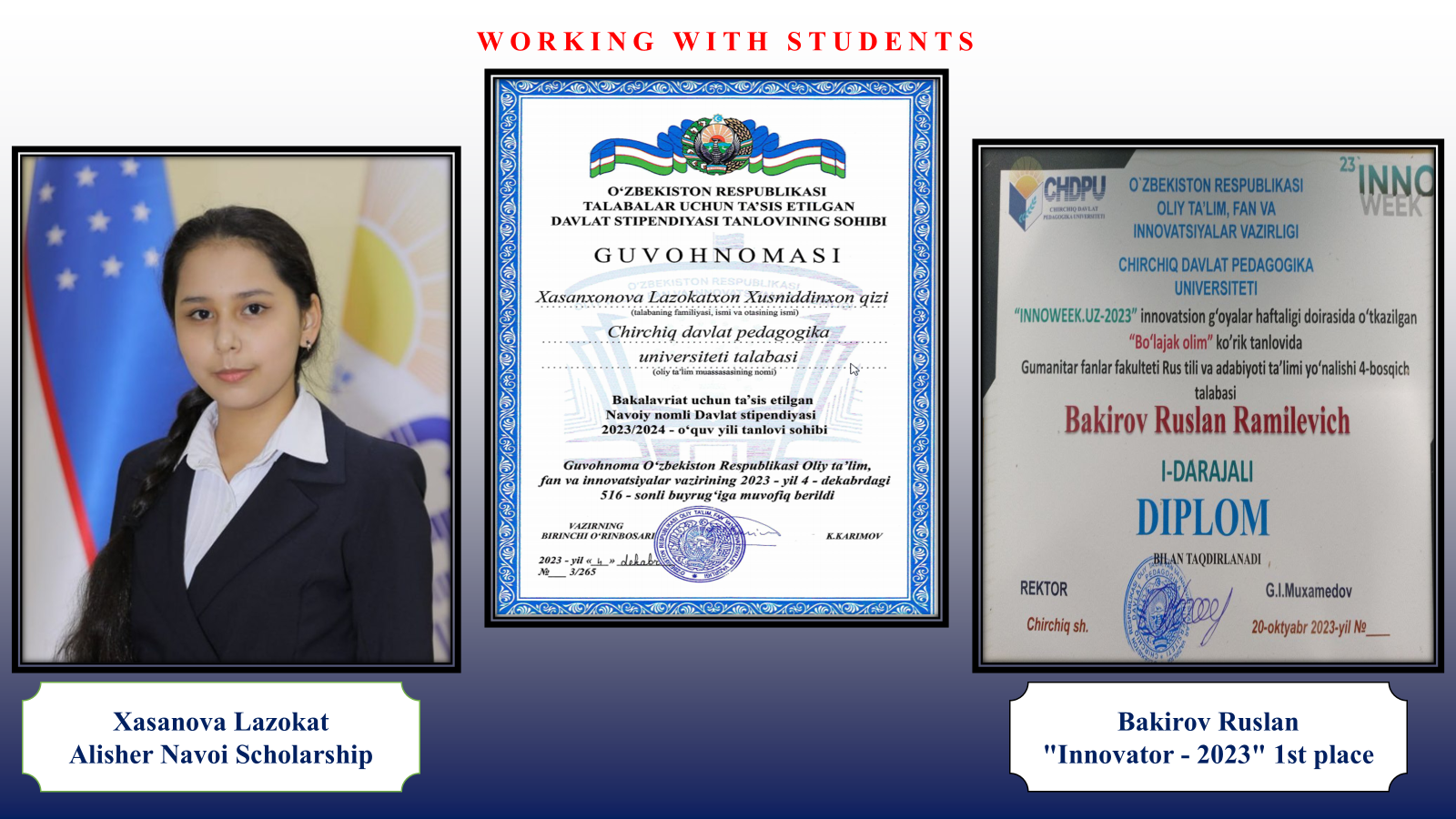
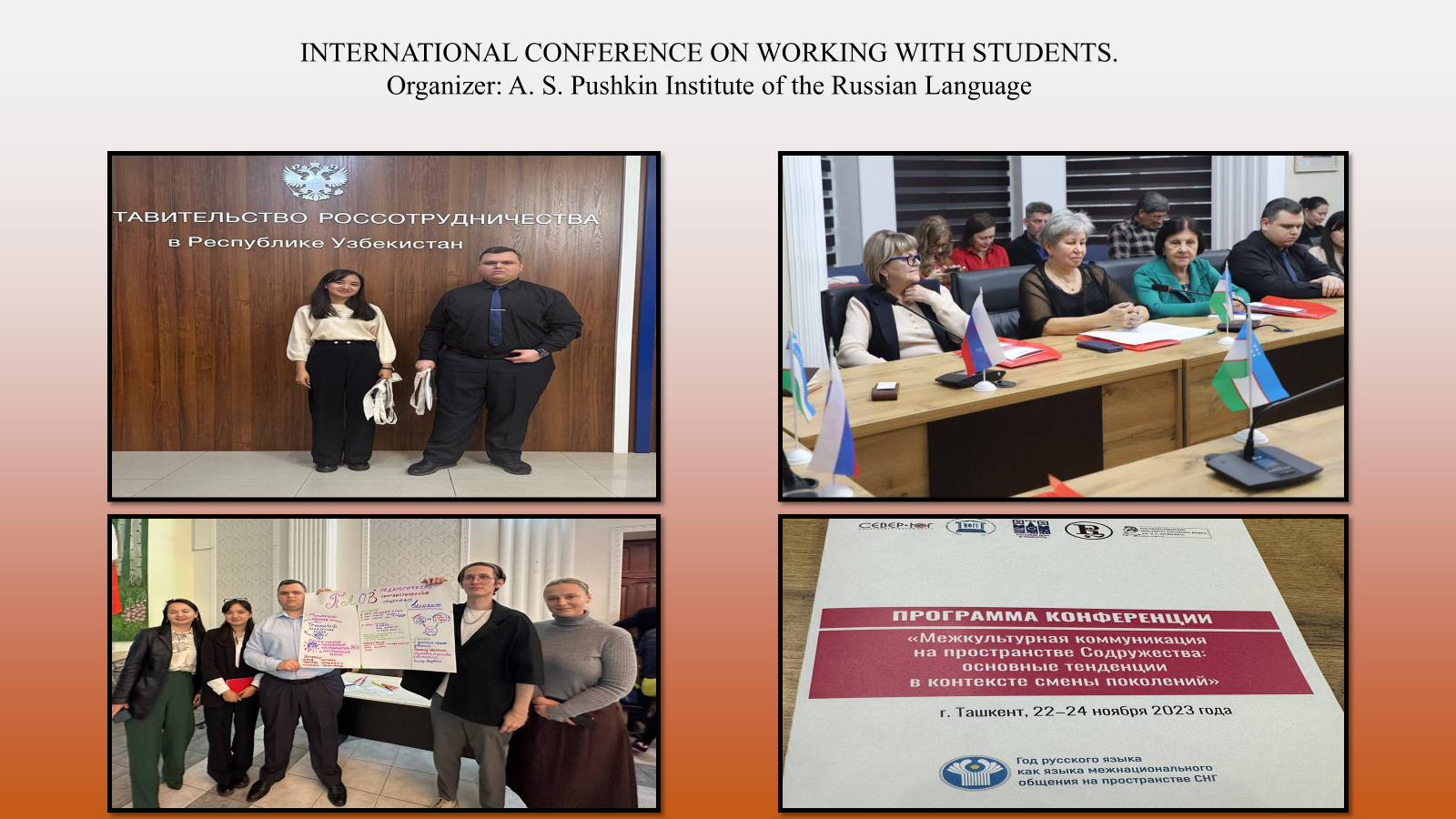
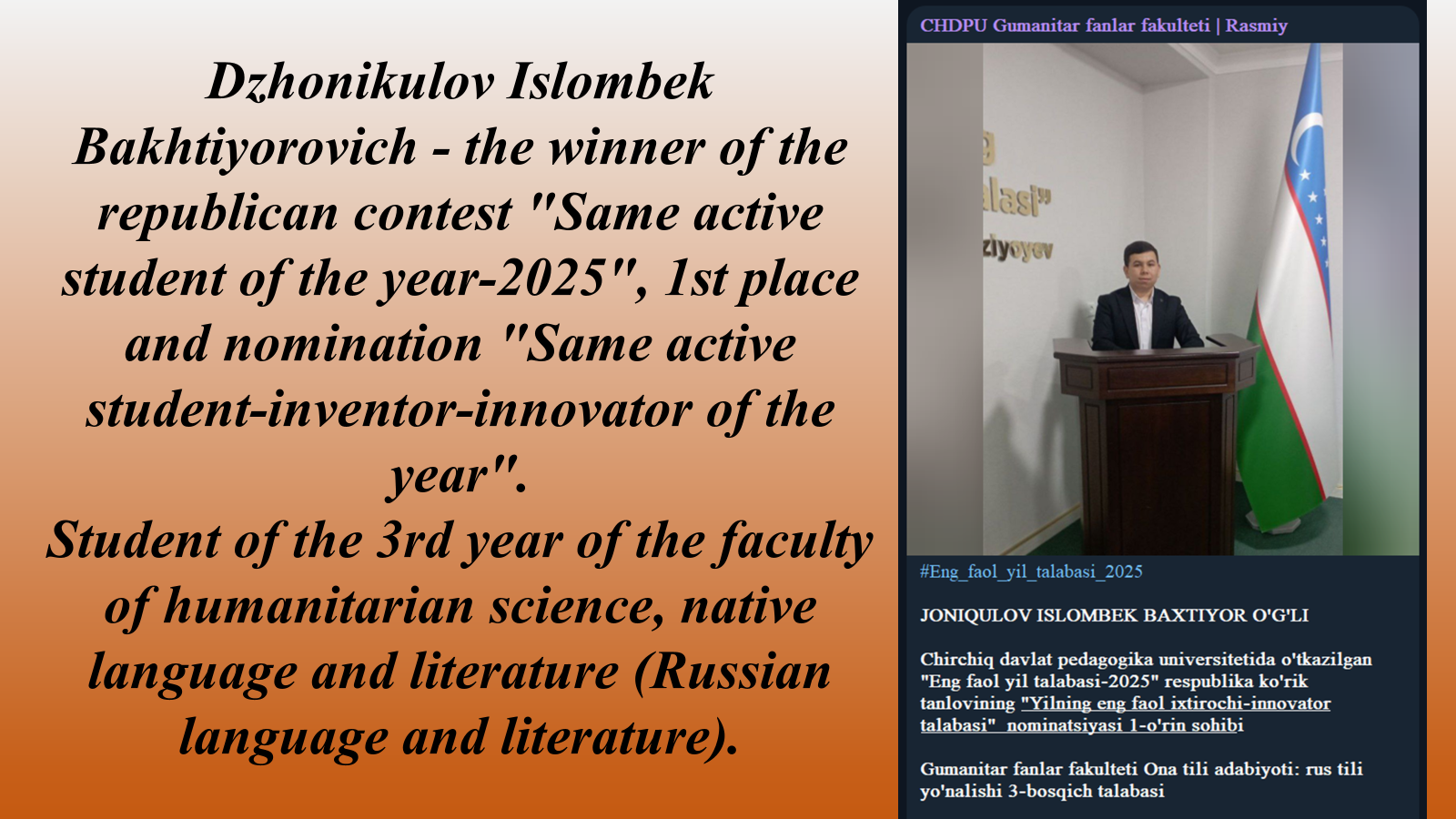
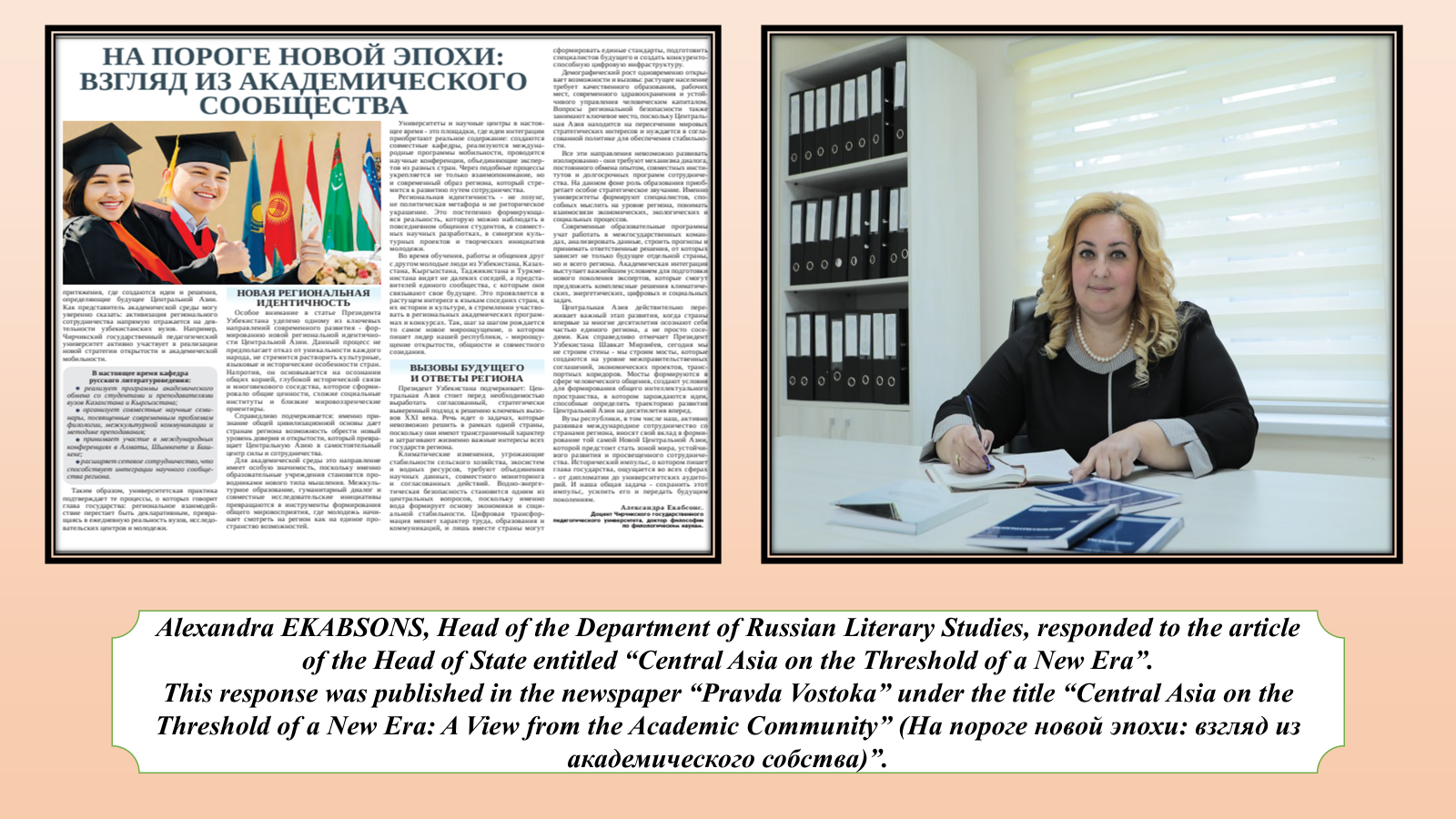
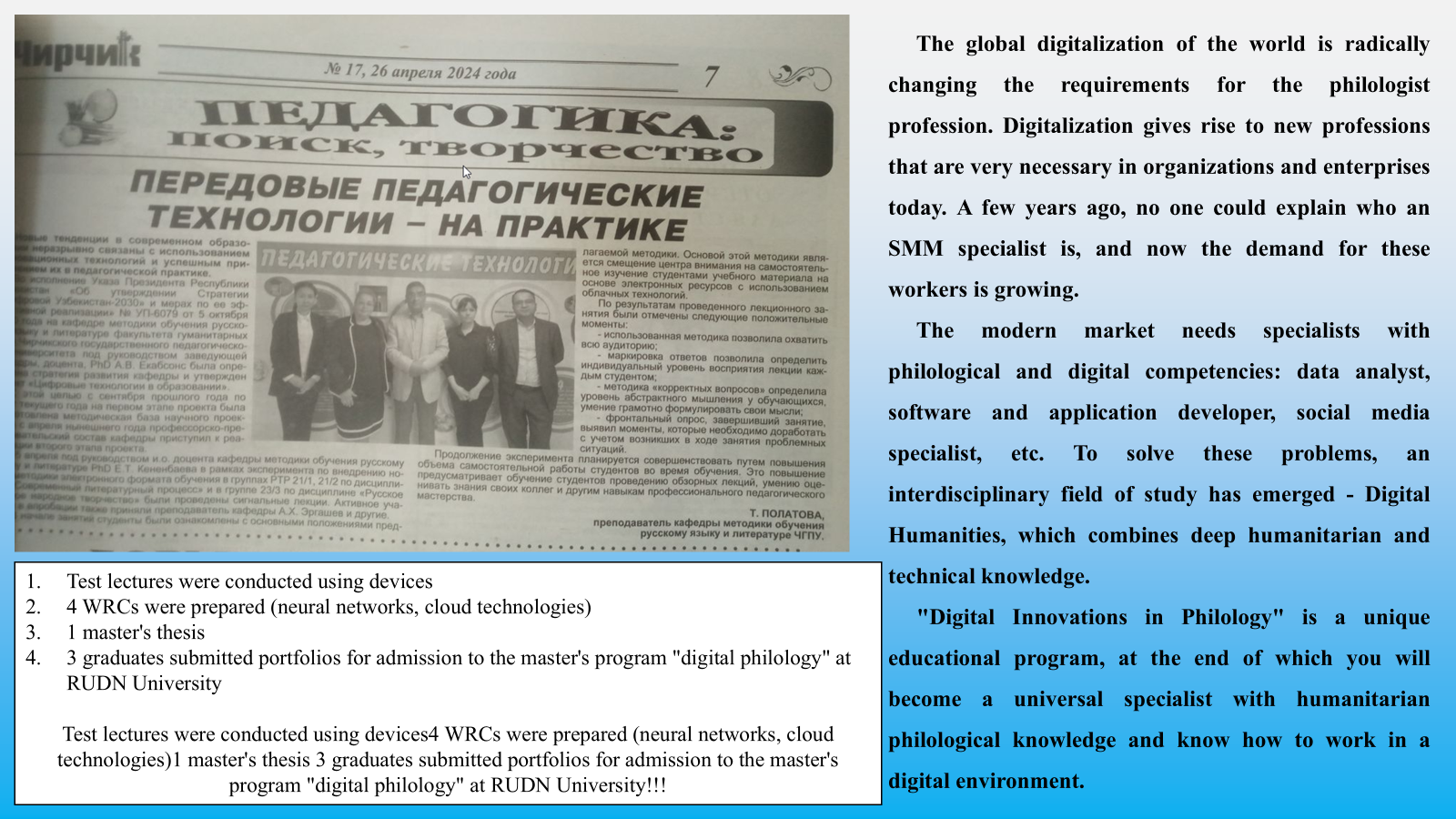
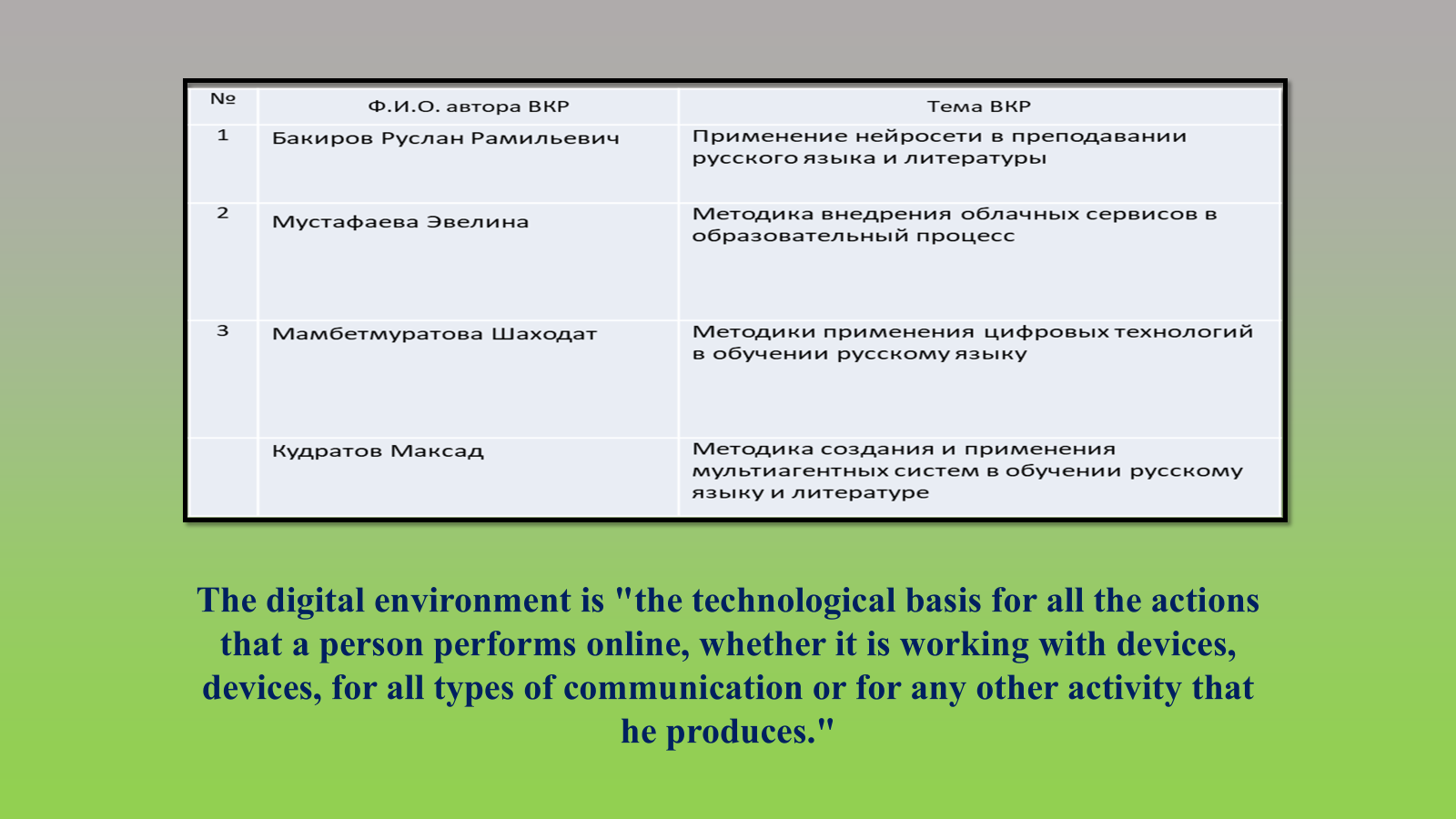
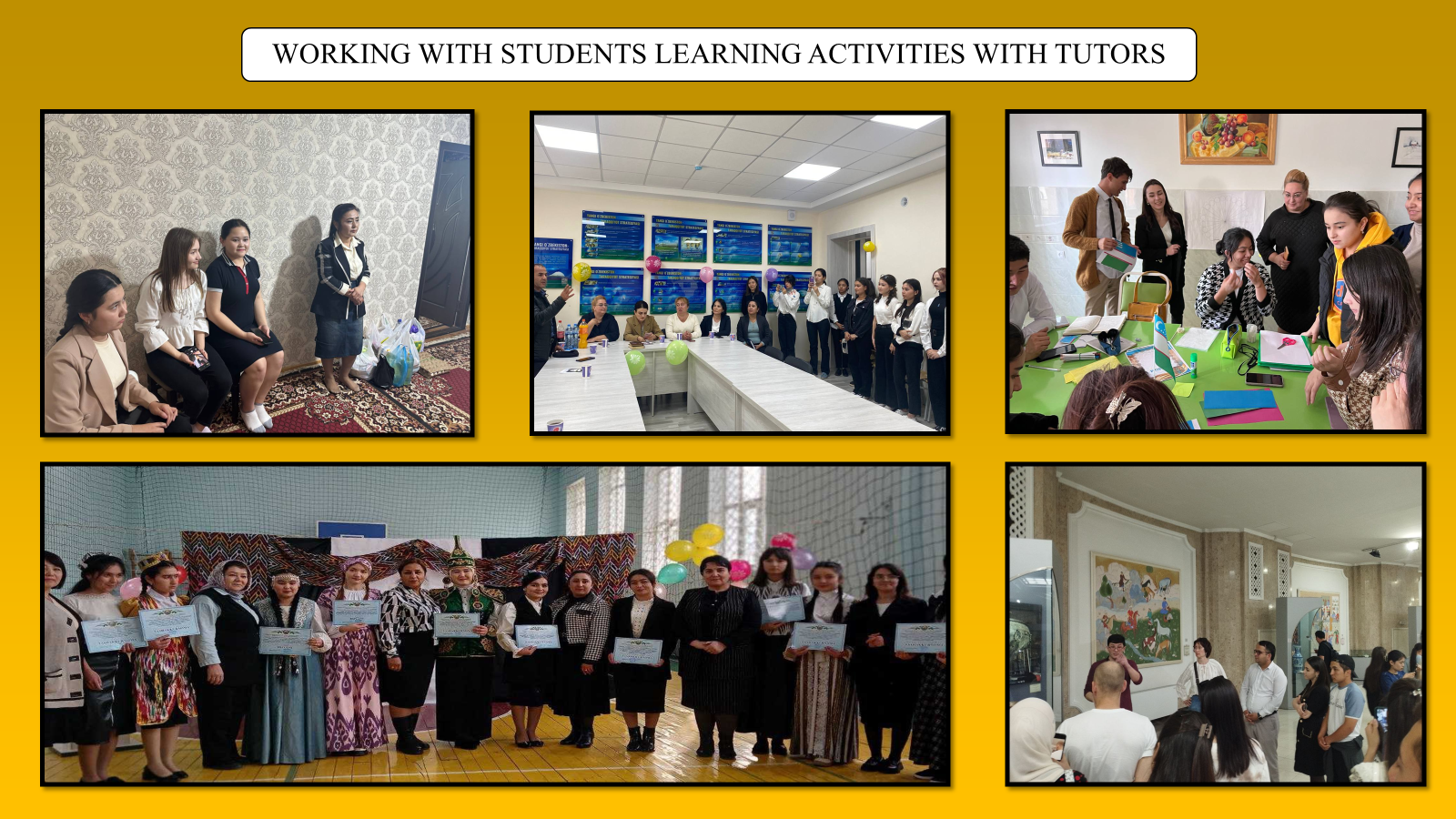
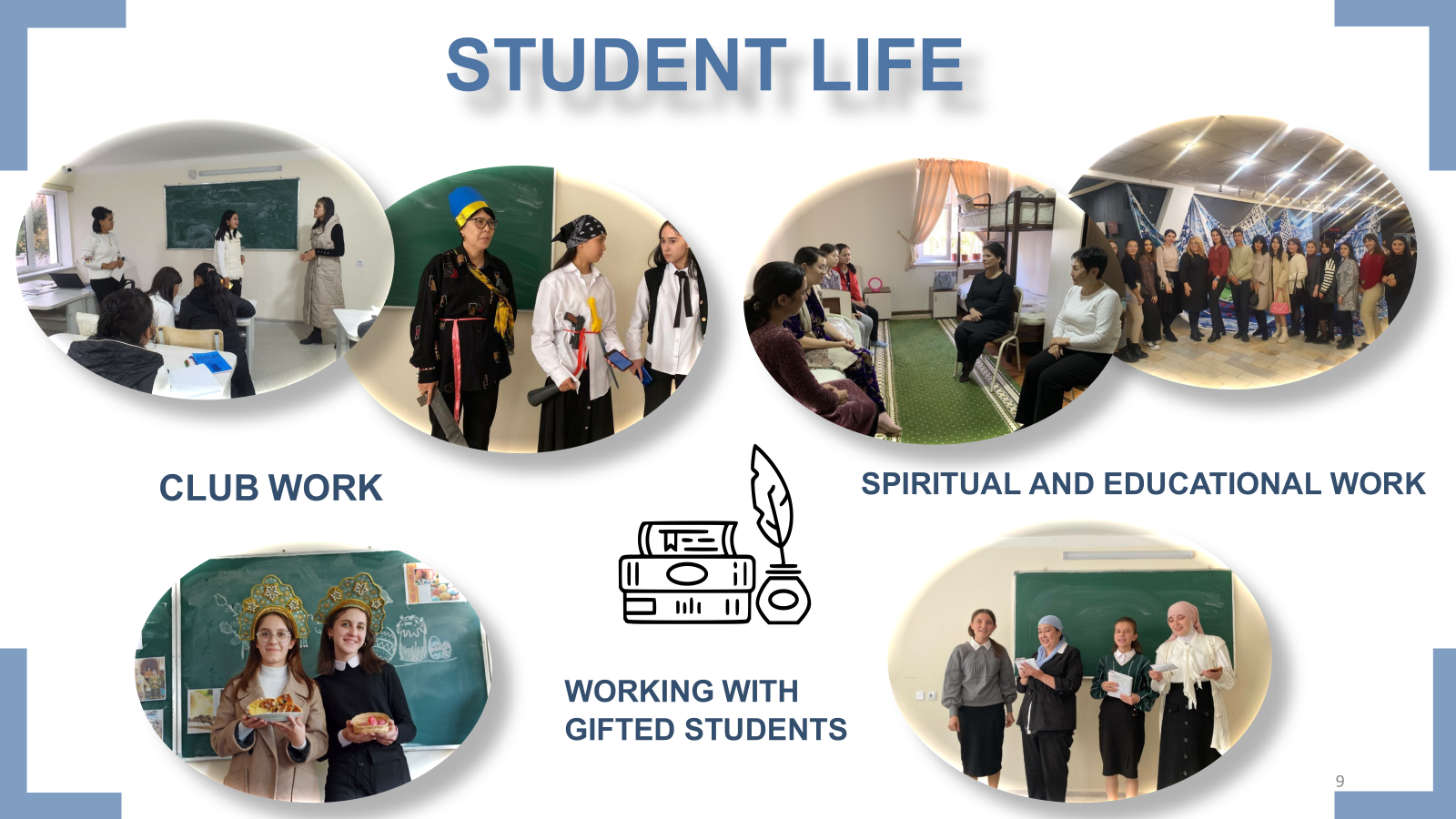
In 2024, a research laboratory called “SMART-Didactics” was established under the Department of Methods of Teaching Russian Language and Literature. Its goal is to develop modern competencies in information and communication technologies (ICT) among pedagogy students and to enhance their didactic skills. The laboratory primarily focuses on improving future teachers’ computer literacy, mastering digital tools and methodologies, and integrating IT technologies into the educational process. Through practice-oriented seminars, masterclasses, and research projects, the laboratory contributes to improving the professional training quality of pedagogical graduates and fostering a sustainable interest in the digitalization of education. The ideological inspirers and leaders of the research master’s laboratory are Ruslan Ramilievich Bakirov actively introduce innovative approaches into the university’s educational space.
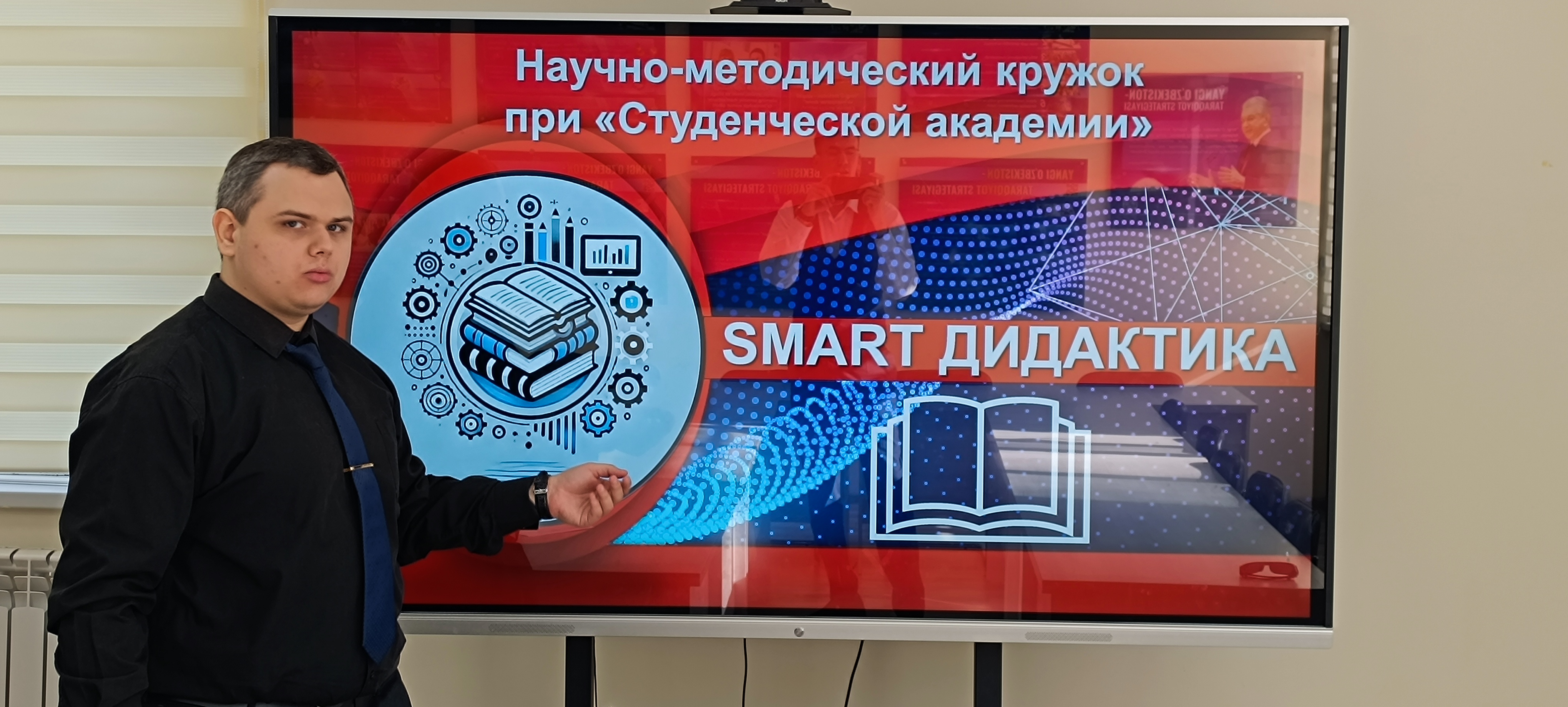
During the 2024–2025 academic year, participants of the “SMART-Didactics” research master’s laboratory conducted a series of practical seminars in general education schools No. 4 and No. 17 in the city of Chirchik. They demonstrated their acquired knowledge and skills in working with ICT, digital didactic tools, and artificial intelligence technologies in practice. These events became an important stage for testing educational developments and showed a high level of student readiness to integrate digital technologies into the educational process.
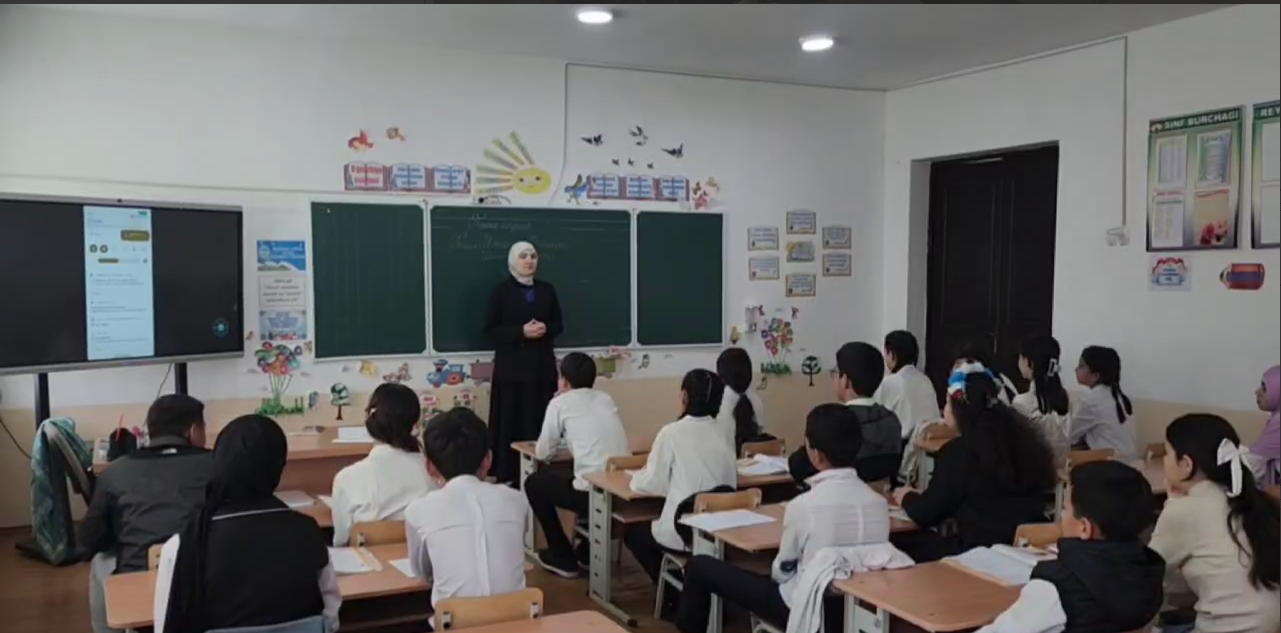
For example, Muminakhon Farhod Kizi Rakhimzhanova, a participant of the research master’s laboratory, conducted a lesson using ICT and the virtual assistant “Alisa,” which operates based on artificial intelligence algorithms, in school No. 4 in class 7-B. The lesson was built on a discussion method adapted for an Uzbek-speaking class. Practical materials created with neural network technologies were used during the lesson.
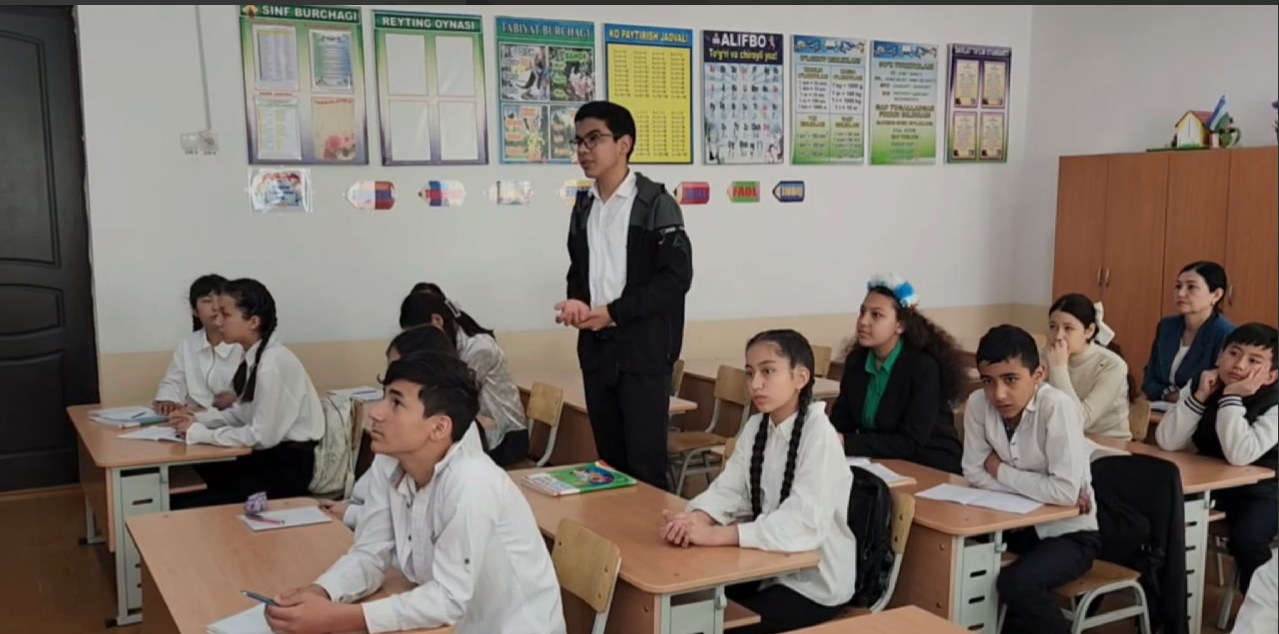
As part of another initiative within the club at the same school, participants Rano Abdushukurovna Saidova and Sabina Alisherovna Sarimsakova conducted an experimental lesson for 5th-grade students in the form of an interactive quiz based on the TV game “Svoya Igra” (“Own Game”). The quiz questions were prepared using neural networks. This format encouraged active student engagement, development of logical thinking, communication skills, and teamwork.
In the training center, under the auspices of the research master’s laboratory, Zulfiya Sharofiddinovna Zhuraeva organized an online lesson on the topic of “Cases” using mobile digital technologies and a collaborative learning model. The lesson was held through the Telegram messenger, using its video conferencing function, which allowed adapting the educational process to the digital environment and making it more accessible and flexible.
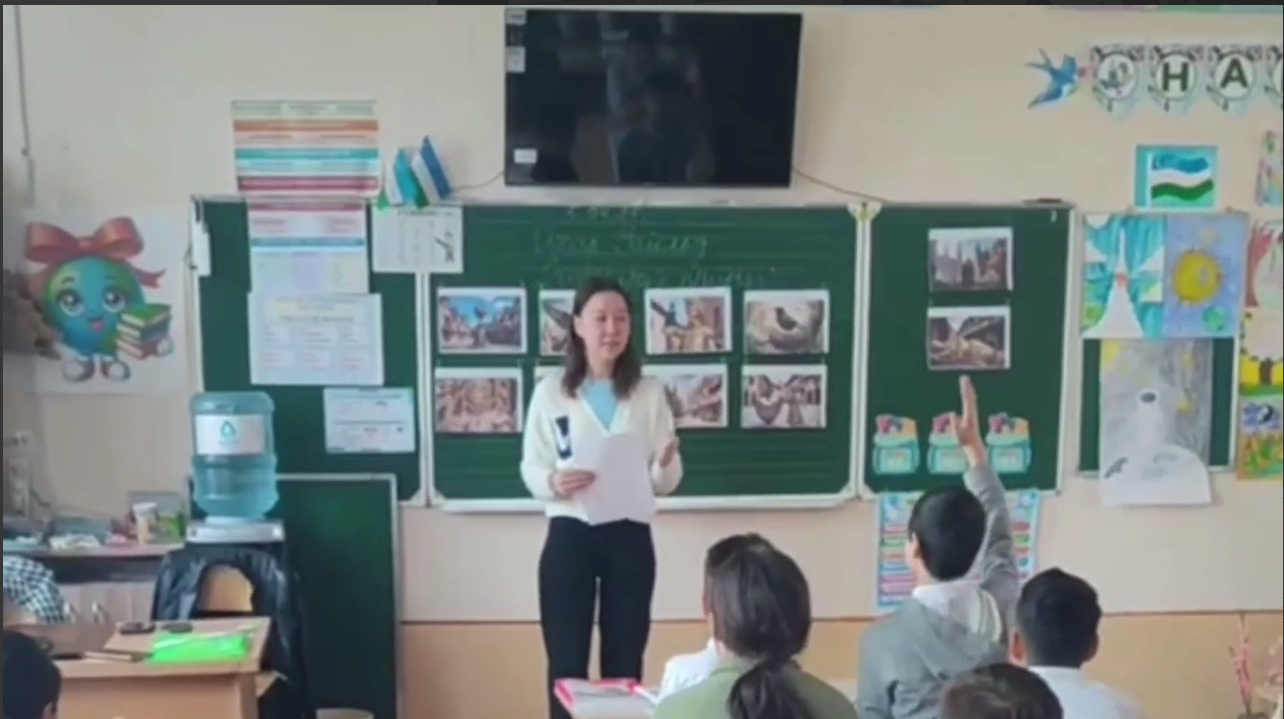
Additionally, in school No. 17, participants Dilyara Ruslanovna Ablyazizova and Sabina Ildusovna Kamalieva conducted a lesson for 6th-grade students using ICT, artificial intelligence technologies, and neural networks. The lesson was based on the traditional teaching method, supplemented by modern digital assignments and visual materials created with neural network tools.
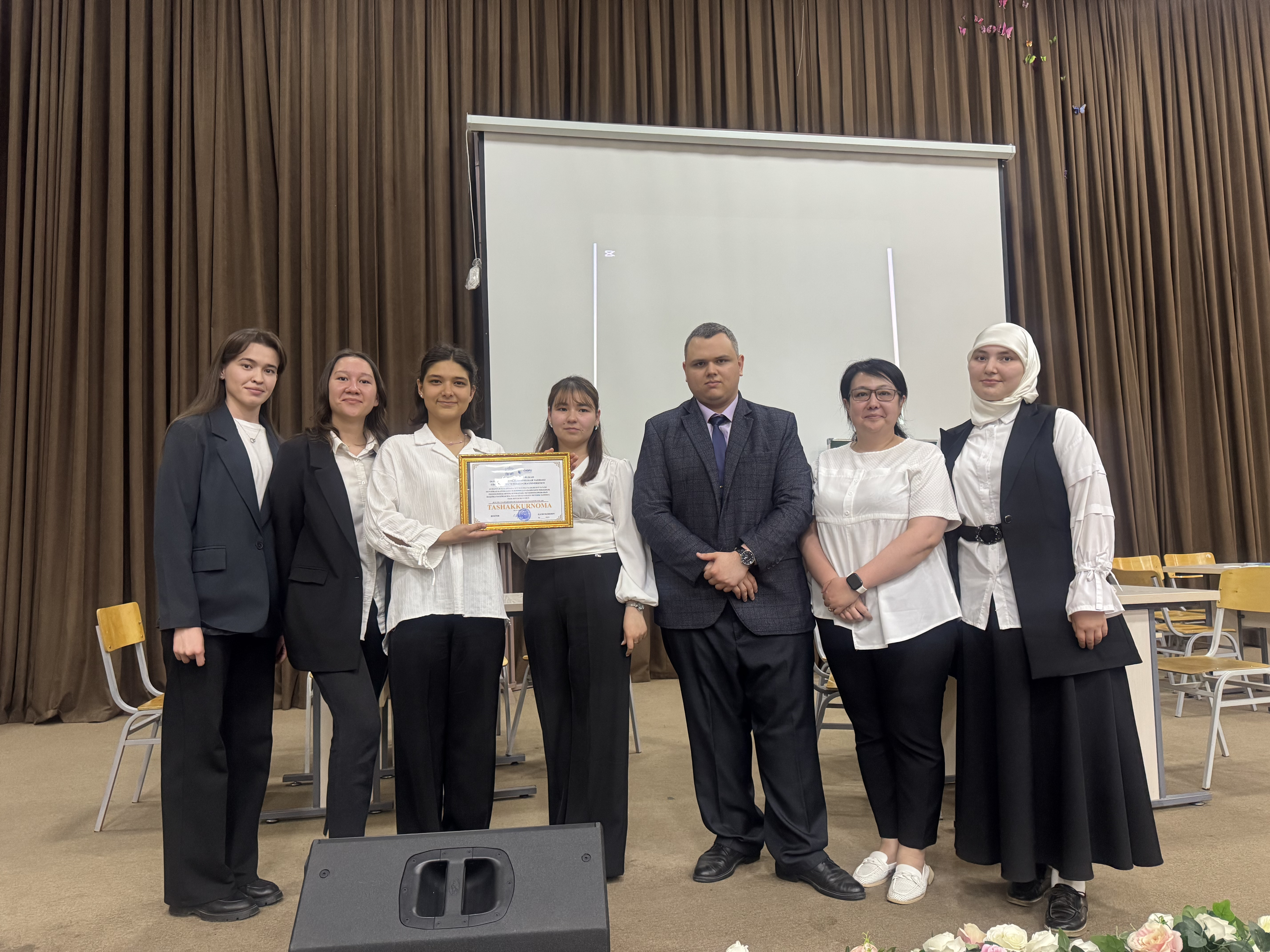
The lessons implemented within the “SMART-Didactics” research master’s laboratory clearly demonstrated that modern digital and intelligent technologies become a powerful supporting resource in the teacher’s work. They not only reduce routine lesson preparation but also open up new forms of interaction with students — mobile, flexible, and highly effective, even under conditions of limited technical equipment.