Interfaculty Department of Russian Language
The Interfaculty Department of Russian Language is a structural unit of a higher education institution specializing in teaching Russian to students of all faculties and academic programs. The department aims to develop students’ oral and written communicative competence in Russian, enhance professional communication skills, and improve their ability to effectively use the Russian language in scientific and academic activities.
The department’s faculty members organize the educational process using modern pedagogical technologies as well as innovative and interactive teaching methods. Classes are conducted with due regard to the specific characteristics of students’ specializations and their educational needs.
Establishment and Development: The department was established following Decision No. 4 of the Council of Chirchik State Pedagogical Institute on October 31, 2020, after being separated from the “Russian Language” department. It now operates under the Faculty of Humanities.
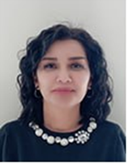
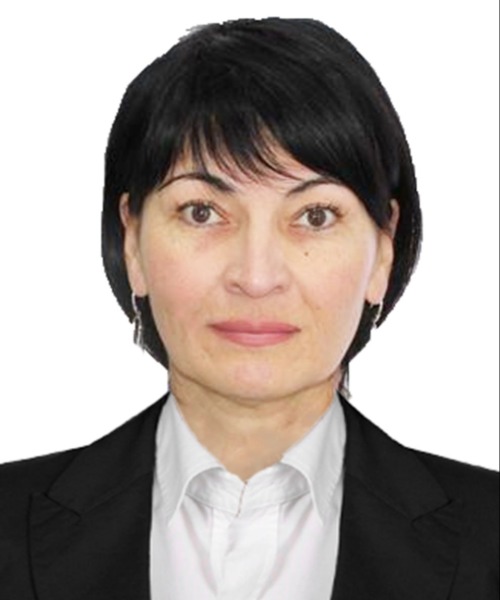
Badalova Barno Tajimovna
Head of the Interfaculty Russian Language Department




- Phone: +998998725008
- Email badalova@cspu.uz
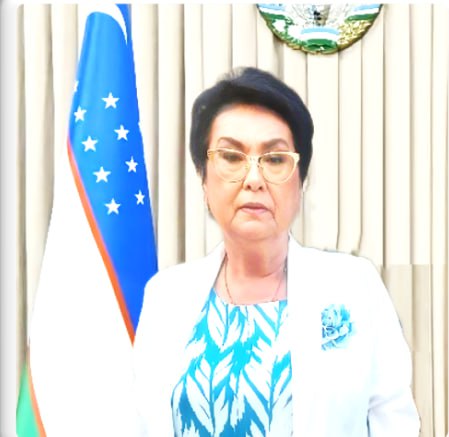
Yuldasheva Tokhta Ametovna
Associate Professor of the Department
- Phone: +998975016591
- Email yuldasheva@cspu.uz
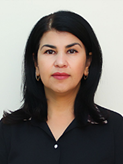
Feruza Yusupova
Associate Professor PhD
doctor of philosophy (PhD) in pedagogical sciences.
- Phone: +998917762669
- Email yusupova@cspu.uz
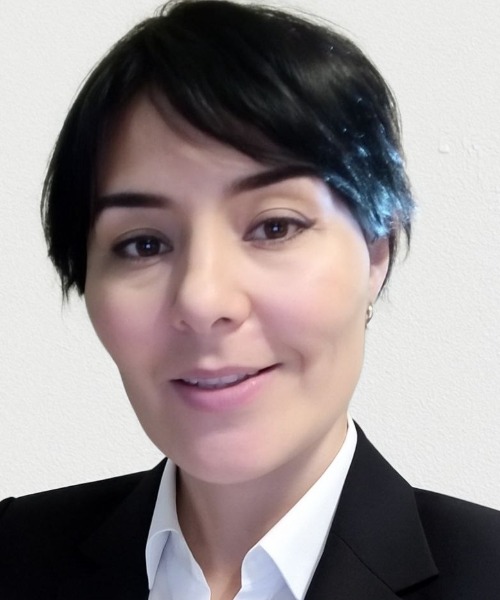
Mansurova Taxmina Toxirovna
Interfaculty Department of Russian Language
Senior lecturer
- Phone: +998911893038
- Email mansurova@cspu.uz
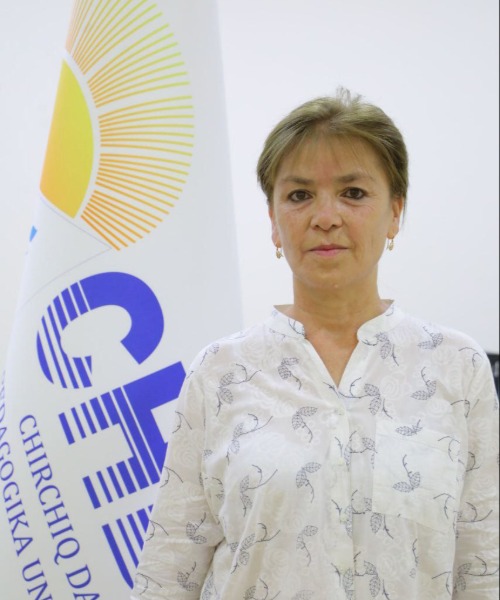
Kadirova Khasiyat Nazarovna
Teacher
- Phone: +998917756374
- Email xasiyatkadirova@gmail.com


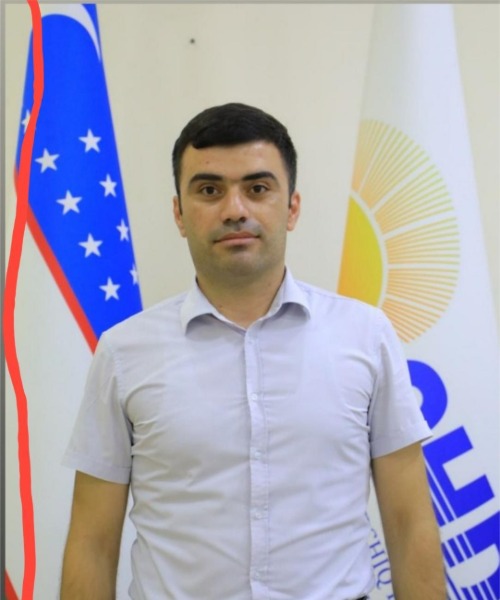

A multidisciplinary team has been formed within the department, consisting of specialists, scholars, and practitioners in various scientific fields. Currently, the department focuses on teaching Russian as a practical language for students whose specialization is not in Russian.
Mission of the Department:
The primary goal of the Interfaculty Russian Language Department is to develop students’ advanced Russian language skills and foster intercultural communication competence.
Our Objectives:
✔️ Improving the quality of Russian language education through professionally oriented programs and advanced pedagogical methods.
✔️ Expanding international cooperation by establishing partnerships with universities, scientific communities, and educational projects.
✔️ Developing a research environment to become an innovative center for language learning, philological, and pedagogical research.
The department conducts courses on practical Russian as a foreign language for undergraduate students.
1st-year curricula:
For all majors – Practical Russian language. Official Correspondence in the State language
For all majors – Practical (Uzbek) Russian language
Educational materials: Родной язык и детская литература (Native Language and Children’s Literature) ( Yuldasheva T.A., Mansurova T.T.), Культура речи преподавателя (The Culture of a Teacher’s Speech) (Yuldasheva T.A.).
Textbooks: Практический русский язык (Practical Russian language) (Yuldasheva T.A., Shokarimova K.A.), Русский язык (Russian language) (Shokarimova K.A.), Практический русский язык (Practical Russian language) (Yusupova F.M., Badalova B.T.).
Monographs: O’quv jarayoni sifatini oshirishning innavatsion usul va texnologiyalari (Innovative Methods and Technologies for Improving the Quality of the Educational Process) (Yuldasheva T.A.), Структурно-семантические особенности религиозных фразеологизмов в русском языке (Structural and Semantic Features of Religious Phraseological Units in the Russian Language) (Arzimova S.N.), Подготовка специалистов языкового профиля с психологическими факторами (Training of Language Specialists with Psychological Factors Taken into Account) (Tadjibayev M.S., Badalova B.T.), Синтез сюжетно-композиционной целостности в узбекском и русском повествовании (Synthesis of Plot and Compositional Integrity in Uzbek and Russian Narratives) (Rajabova I.T.), Совершенствование подготовки учителя начальных классов в сфере обучения русскому языку как неродному (Enhancing the Training of Primary School Teachers in Teaching Russian as a Non-Native Language) (Mansurova T.T.), Специфика жанра рассказа в творчестве А.Чехова и А. Каххара (The Specifics of the Short Story Genre in the Works of A. Chekhov and A. Qahhor) (Sultanxujayeva G.S.), Художественный мир Дж.Р. Толкина, как объект творческого эксперимента в трилогии Н.Д. Перумова «Кольцо тьмы», Совершенствование педагогических основ формирования языковых навыков (на примере нефилологической направленности) (Improving Pedagogical Foundations for the Development of Language Skills (Based on Non-Philological Specializations)) (Bekmetov B.D), Теоретические основы формирования и развития межкультурной компетентности у студентов неязыковых направлений (Theoretical Foundations for the Formation and Development of Intercultural Competence in Students of Non-Linguistic Specialties) (Yusupova F.M).
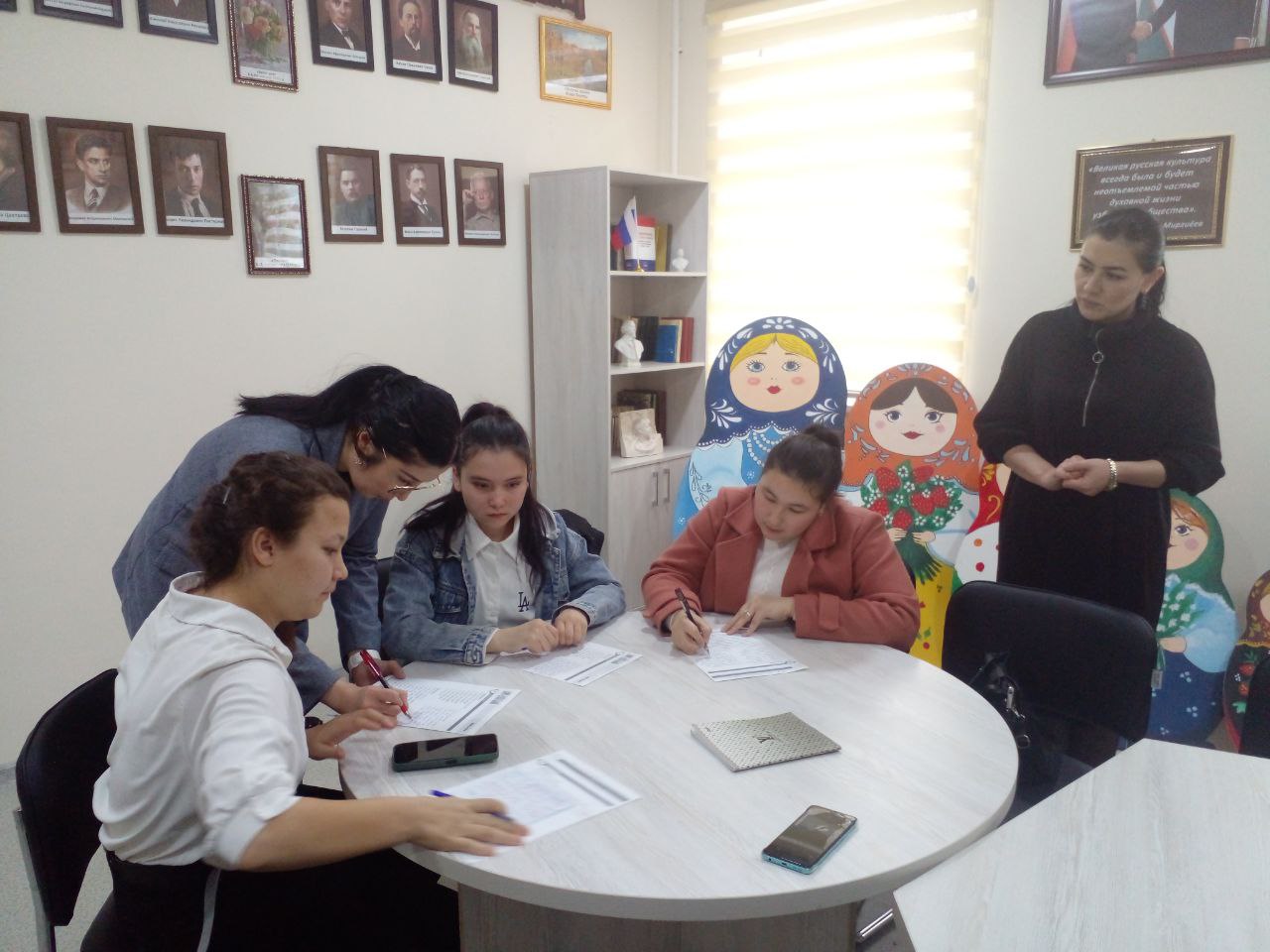
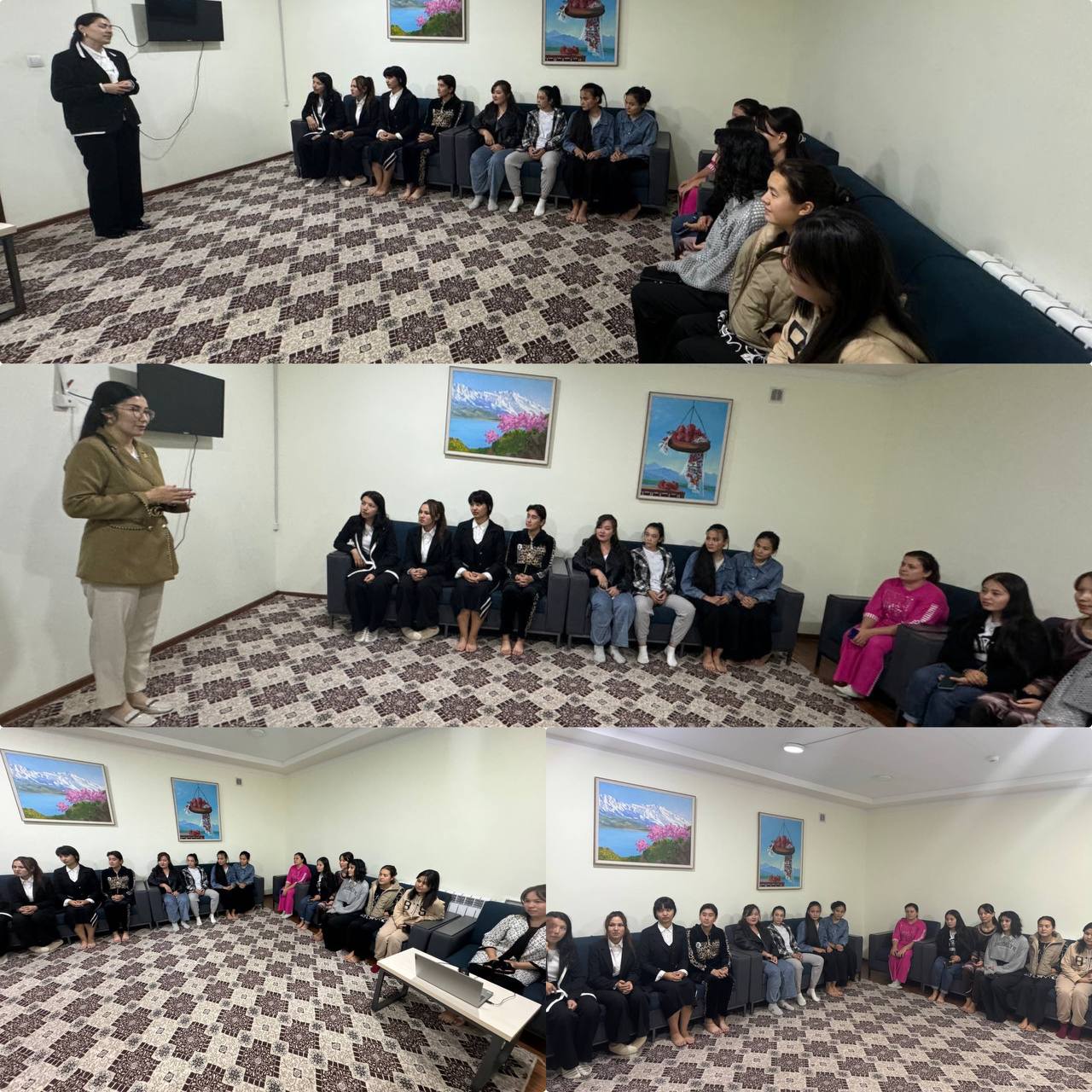
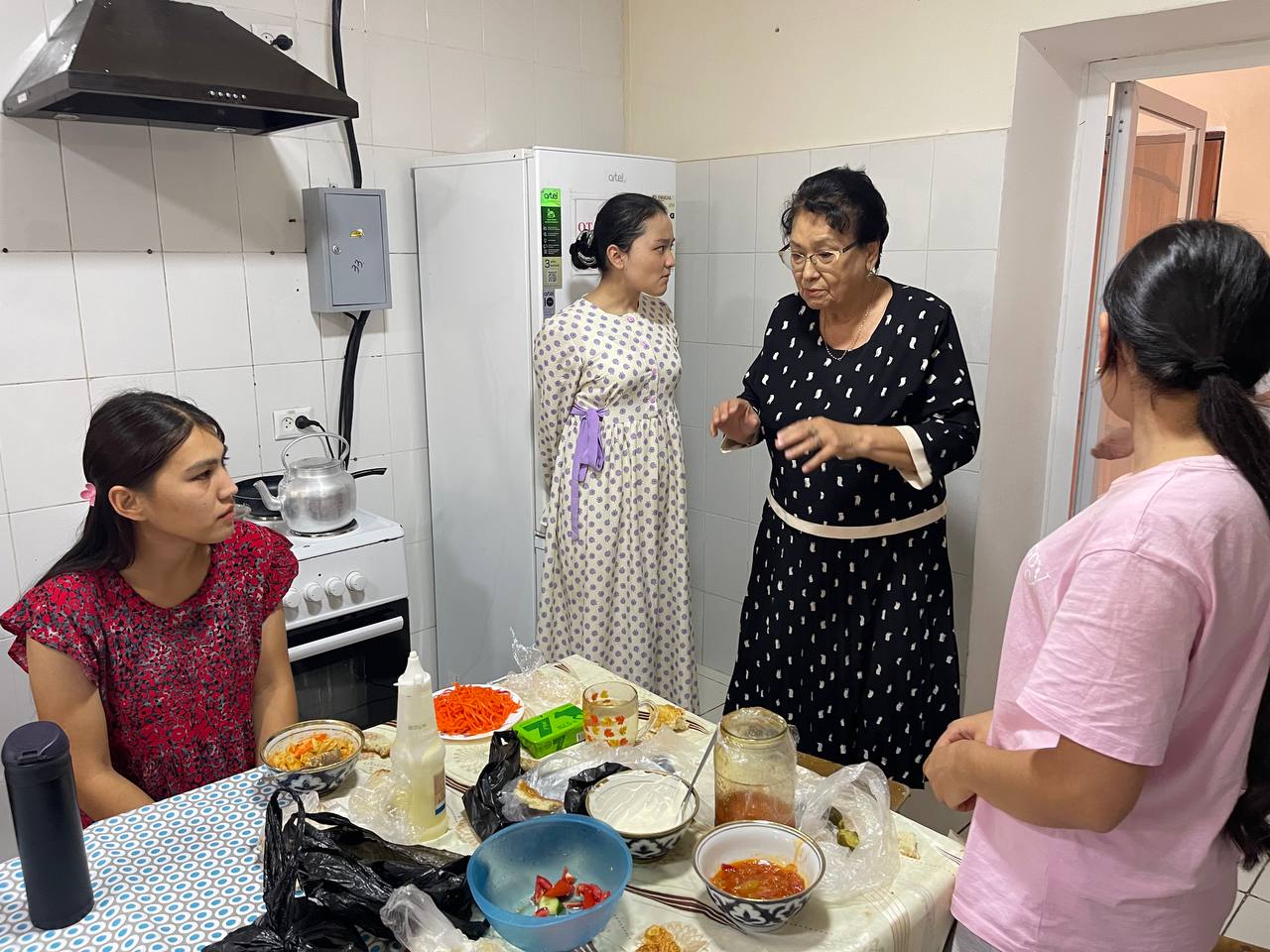
Under the department, the clubs “Secrets of the Russian Language,” “Learning the Russian Language,” and “Russian Word” have been established. These clubs are aimed at implementing advanced pedagogical technologies in the teaching and learning of the Russian language, enhancing students’ language competence, and carrying out innovative projects related to language learning.
In addition, the department organizes monthly spiritual and educational events for students in the student dormitory on various topics.
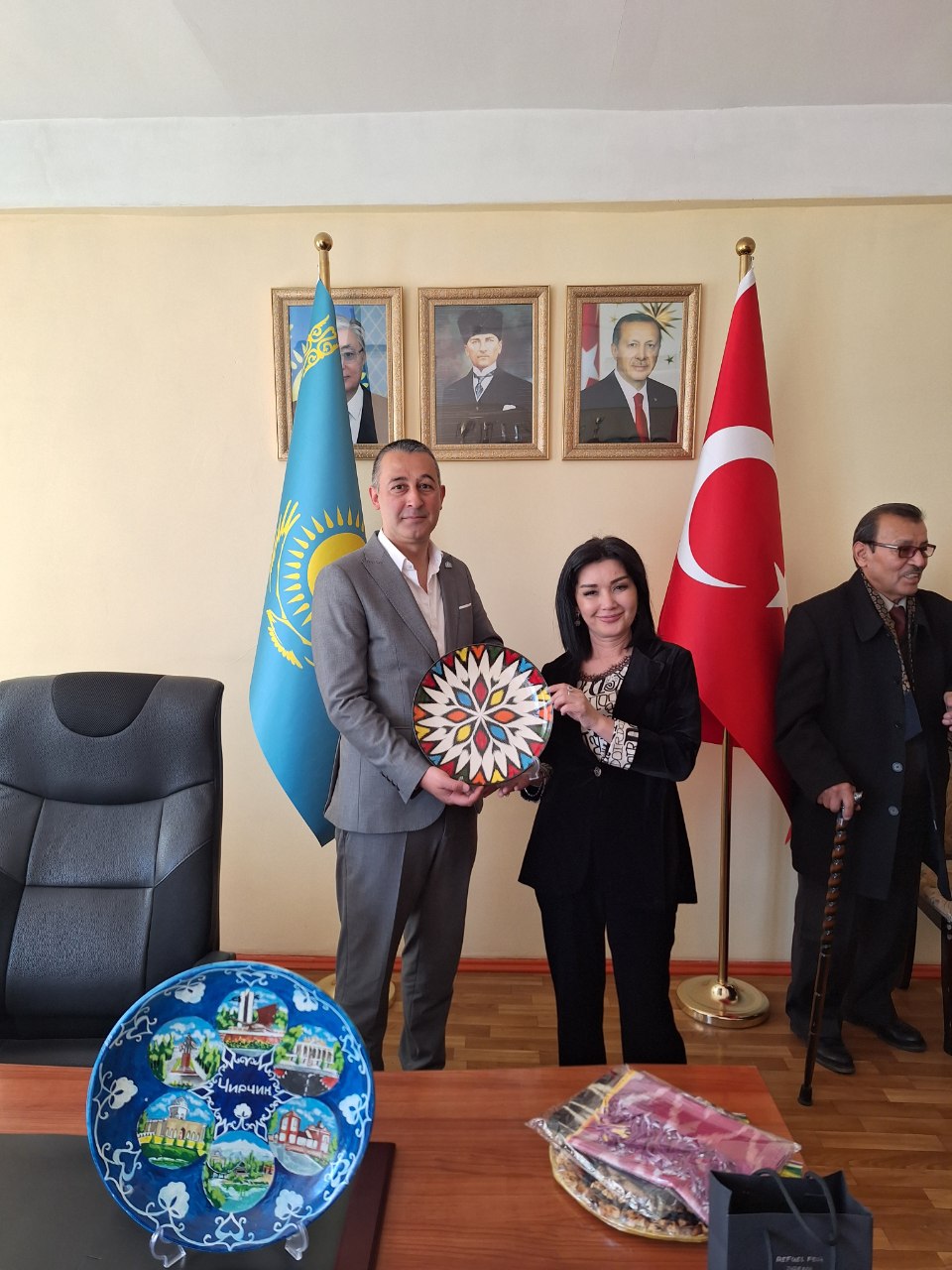
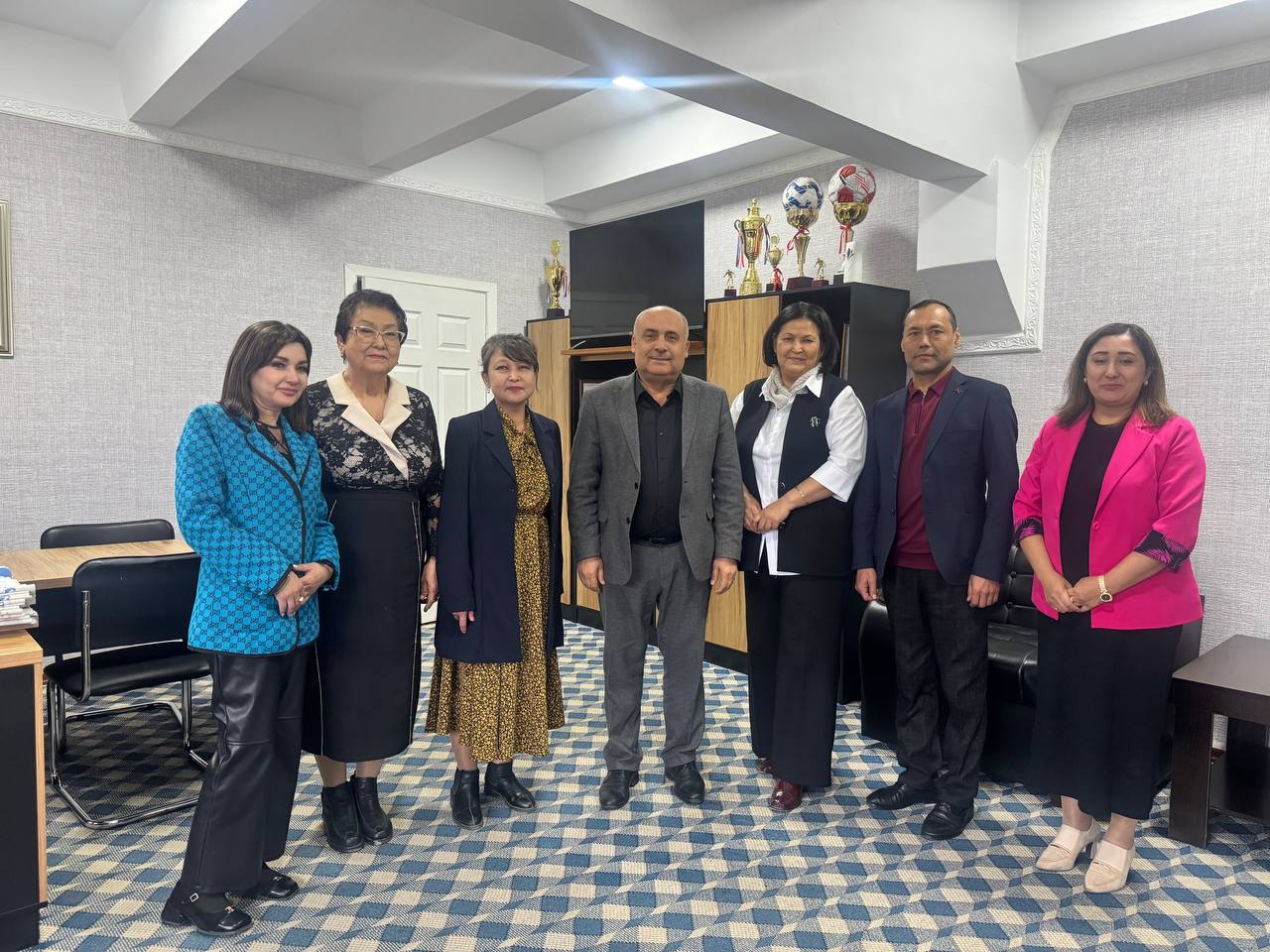
Currently, our department has established international relations with several universities included in the world’s TOP-1000 rankings, such as:
• Mukhtar Auezov South Kazakhstan University
• Khoja Akhmet Yassawi International Kazakh-Turkish University
• Khujand State University in Tajikistan
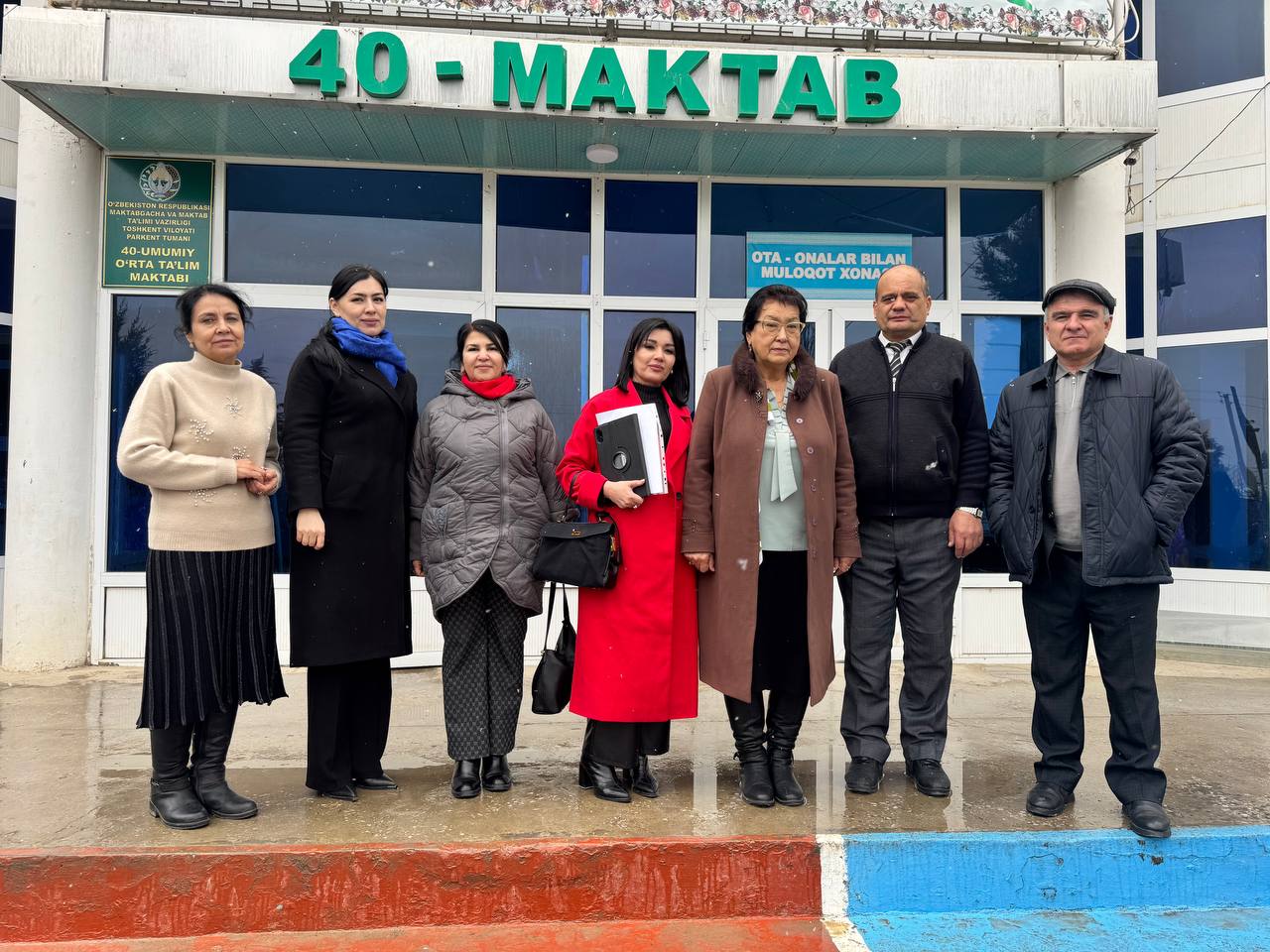
The Interfaculty Russian Language Department is also actively developing local partnerships to improve the quality of Russian language education, advance modern pedagogical methods, and provide additional knowledge to school and vocational education students. In this regard, collaboration has been established with general secondary schools in Tashkent region and School No. 40 in Parkent district.
The department has established a high-level individual learning system. Students who wish to begin their scientific research and collaborate with the department’s faculty on academic projects can submit an application through the following link:
Scientific Activity Guidance
✓ The department’s faculty members have developed special scientific tablets designed to guide students and researchers in an individual learning environment.
✓ Students can participate in scientific conferences and projects with their research papers, academic studies, and innovative ideas.
Education Quality Control
The Interfaculty Russian Language Department ensures quality control through internal and external monitoring systems.
External Monitoring
The university’s Working Group on Education Quality Control regularly analyzes education quality through its official platform. The Education Quality Control Commission within the Faculty of Humanitiescontinuously monitors the assessment system and educational processes.
Internal Monitoring
The department’s internal monitoring is conducted by Associate Professor T.A. Yuldasheva. Regular department meetings include progress reports, discussions on shortcomings, and plans for improvements.
The student assessment system is outlined in the department’s curricula and is based on the credit-module system.
Midterm Assessment: Students take a written exam,which evaluates their listening comprehension skills.
Final Assessment: The final exam is conducted using computer-based testing.
Student Feedback and Communication System
To ensure transparency in the assessment process and consider student opinions, a feedback mechanism is in place.
Appeals Process: Students can submit an appeal to the department’s appeals commission within 24 hours of the final exam results being announced. This process helps address potential grading inaccuracies and ensures student feedback is considered.
📍 Address & Office Location:
Tashkent Region, Chirchiq State Pedagogical University, Building 6, Room 314.