Department of History
The Department of History was established on August 1, 2017, under the name “Department of History and Social Sciences.” Since September 2019, it has been renamed the “Department of History.” In 2022, based on the Department of History, the departments of “History of Uzbekistan” and “World History” were established. From 2024, the departments were optimized, and the “Department of History” was re-established.
The department carries out educational, methodological, and research activities in historical sciences, as well as training scientific and scientific-pedagogical personnel, and conducting organizational, spiritual-enlightenment, and educational work.
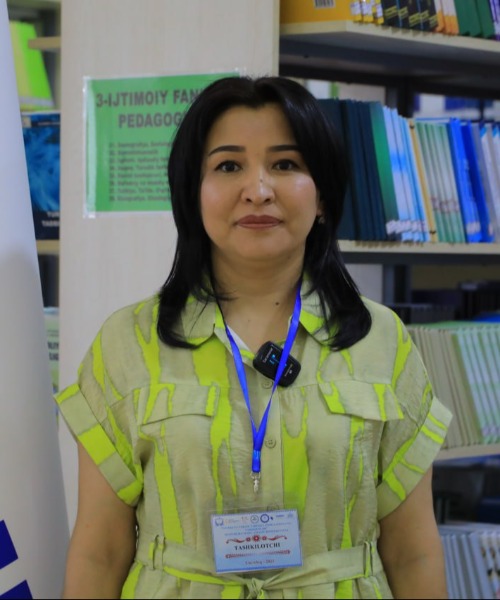
Jumayeva Shoira Berdiyarovna
Head of the Department of history
doctor of philosophy in historical sciences(PhD

- Email s.jumayeva@cspu.uz
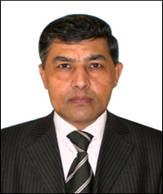
Gaffarov Yarash Khollievich
Professor Of The Department
Candidate of historical sciences
- Phone: +998909868614
- Email ya.gaffarov@cspu.uz
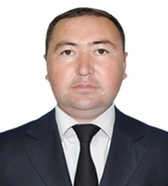
Normatov Otabek Makhamatjonovich
Associate professor of the Department of history
Doctor of Philosophy in History
- Phone: +998908151980
- Email o.normatov@cspu.uz
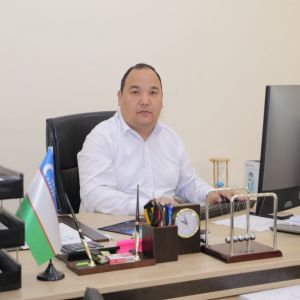
Akhmadjanov Daniyor Bakhtiyor ogli
Vice-Rector for Academic Affairs, Associate Professor of the Department
DsC
- Phone: +998707166864
- Email d.axmadjanov@cspu.uz
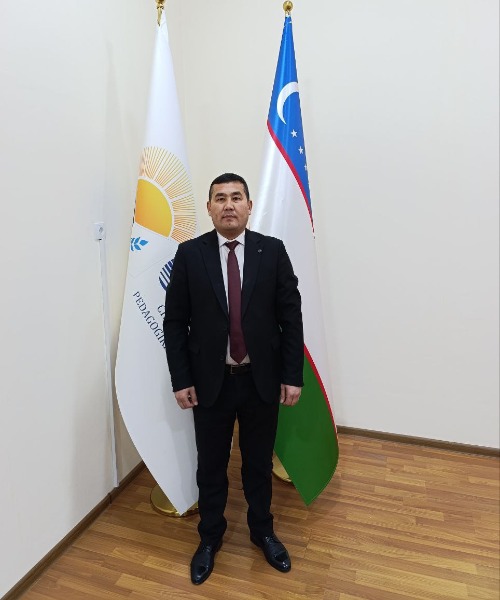
Joldasov Ixtiyar Suyundikovich
Deputy Dean
p.f.f.d (PhD)
- Phone: +998949903681
- Email i.joldasov@cspu.uz
Gorin Aleksey Nikolayevich
Associate Professor Of The Department
Candidate of Historical Sciences
- Email a.gorin@cspu.uz
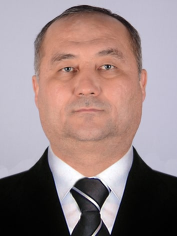
Saidusmanov Bahrom Abduganiyevich
Acting Associate Professor
PhD (Doctor of Philosophy)

- Phone: +998977254266
- Email b.saidusmanov@cspu.uz
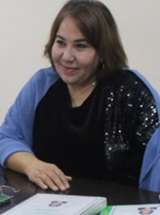
Oybek Anvarovich Maxmudov
Acting Professor
Candidate of Historical Sciences

- Phone: +998717166805
- Email o.maxmudov@cspu.uz
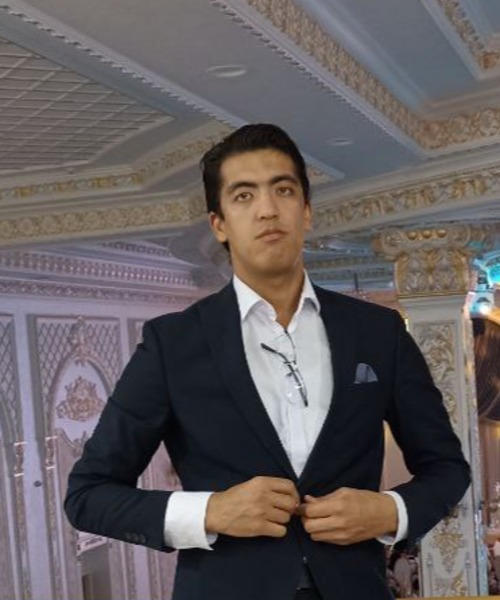
Parmonov Sharafiddin Shavkatovich
History Department Lecturer
Lecturer of the Department of History
- Phone: +998901743031
- Email s.parmonov@cspu.uz
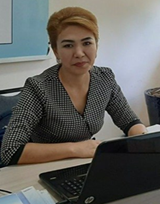
Sulaymonova Shokhsanam Absamatovna
Senior Lecturer of the Department
Master’s
- Email s.sulaymanova@cspu.uz
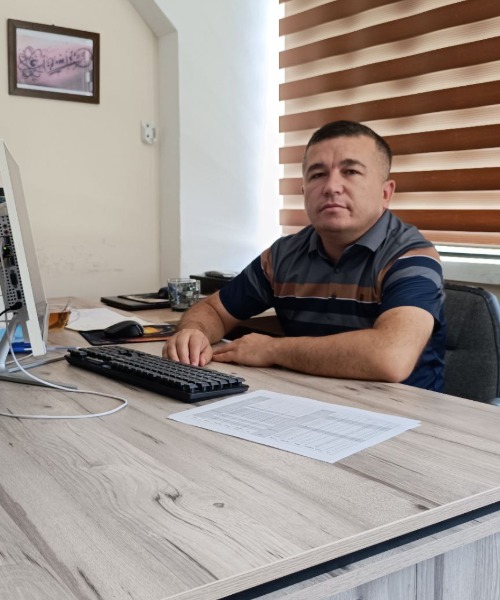
Toshev Solejon
Deputy Dean for Academic Affairs
head teacher

- Phone: +998997392687
- Email s.toshev@cspu.uz
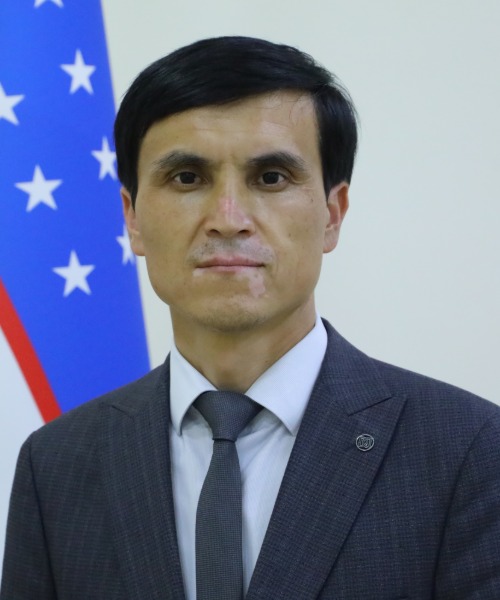
Toshtemirova Saodat Abdurashidovna
Doctor of Pedagogical Sciences (DSc)
Acting Professor
- Phone: +998717166805
- Email s.toshtemirova@cspu.uz
Mission of the Department
The main mission of the Department of History is to develop students’ knowledge, skills, and competencies in historical sciences within the History program, as well as to form their professional competencies.
Our goals:
✔ Improving the quality of history education through innovative technologies and advanced pedagogical methods.
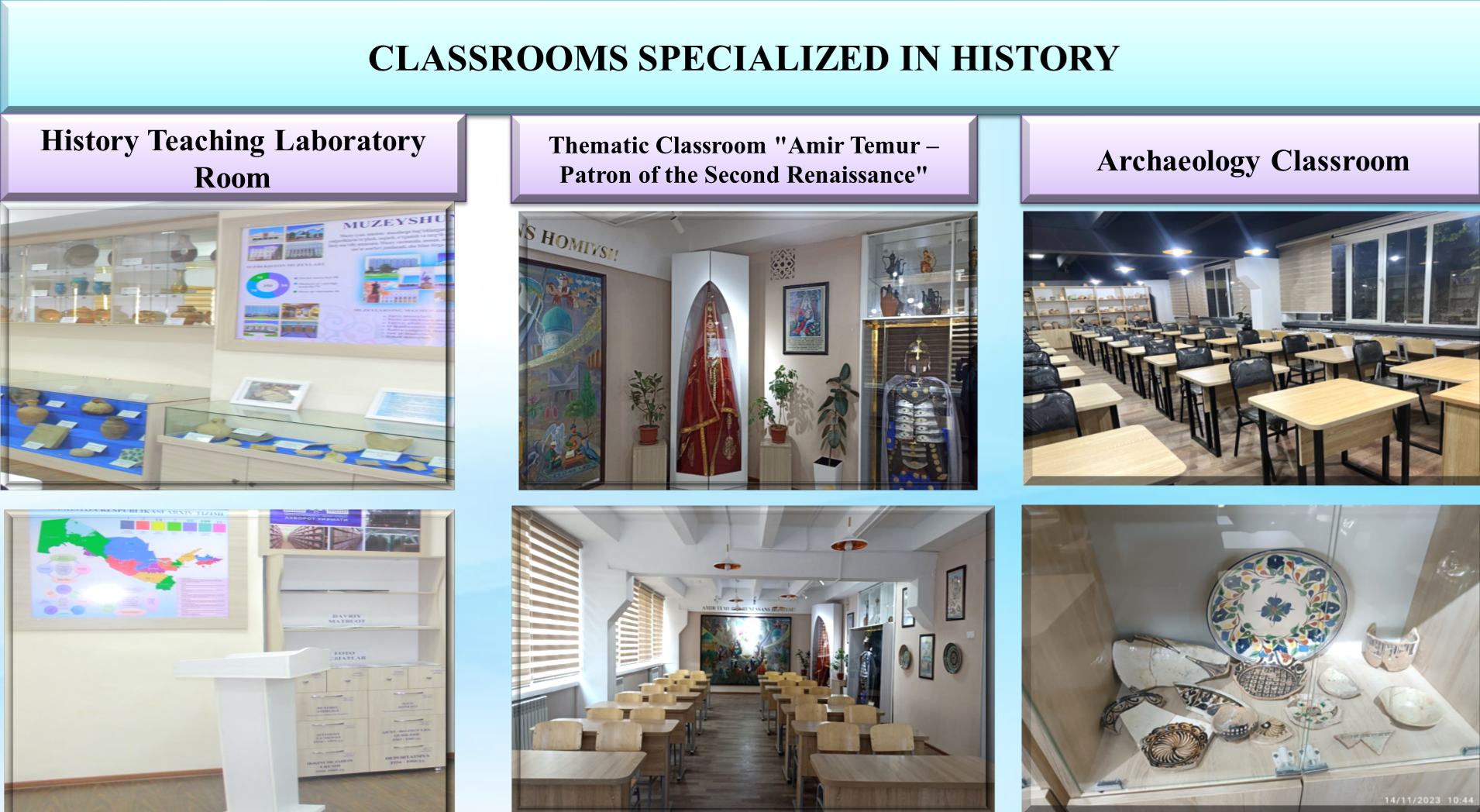
– introduction of modern pedagogical and information-communication technologies; providing support to young teachers who have just begun their pedagogical careers in acquiring professional skills and competencies; creation of an information base; effective use of modern educational and technical tools, individual teaching methods, and independent learning approaches in the educational process; organizing classes in specially equipped classrooms with modern computer technologies and developing elements of distance learning;
– regular comparative analysis and improvement of state educational standards, curricula, and programs in the department’s fields and specialties in comparison with educational programs of developed foreign countries;
✔ Expanding international cooperation – establishing collaboration with universities, the academic community, and educational projects;
✔ Developing a research-oriented environment – functioning as an innovative center for historical research;
– conducting research activities in accordance with approved plans, discussing completed research works, recommending them for publication, implementing research results in practice, and ensuring effective integration of education, science, and industry;
– systematic organization of students’ scientific and creative activities, identification of talented students, involvement in research work, training in conducting individual and collective research projects, and creating the necessary organizational, methodological, and material-technical conditions for the realization of their scientific and creative potential.
Roadmap for the Strategic Development of the Department of History for 2025
The department carries out educational activities in the 60220300 – History bachelor’s program and the 70111101 – Methodology of Teaching Social and Humanitarian Sciences (History) master’s specialty.
Academic programs of the 60220300 – History bachelor’s degree
History of Uzbekistan 1, 2, 3, 4, 5
World History 1, 2, 3, 4, 5
Historical Geography
Archaeology
Ethnology
Source Studies and Historiography
Methodology of Teaching History
Old Uzbek Script
History of Science and Technology
History of World Civilization
History of Uzbek Statehood
Culture and Art of Uzbekistan
Digital History
Study of the Scientific Heritage of Eastern Scholars
Local History Studies and Tourism
History of International Relations and Diplomacy
Master’s specialty 70111101 – Methodology of Teaching Social and Humanitarian Sciences (History)
Methodology of Historical Science
Methodology of Teaching Specialized Subjects in Higher and Professional Education
Current Issues in the History of World Civilizations
Research Methodology
The Department of History conducts research activities in the following strategic areas:
— Methodology of Teaching History
Modern approaches to teaching history (Y.Kh. Gafforov);
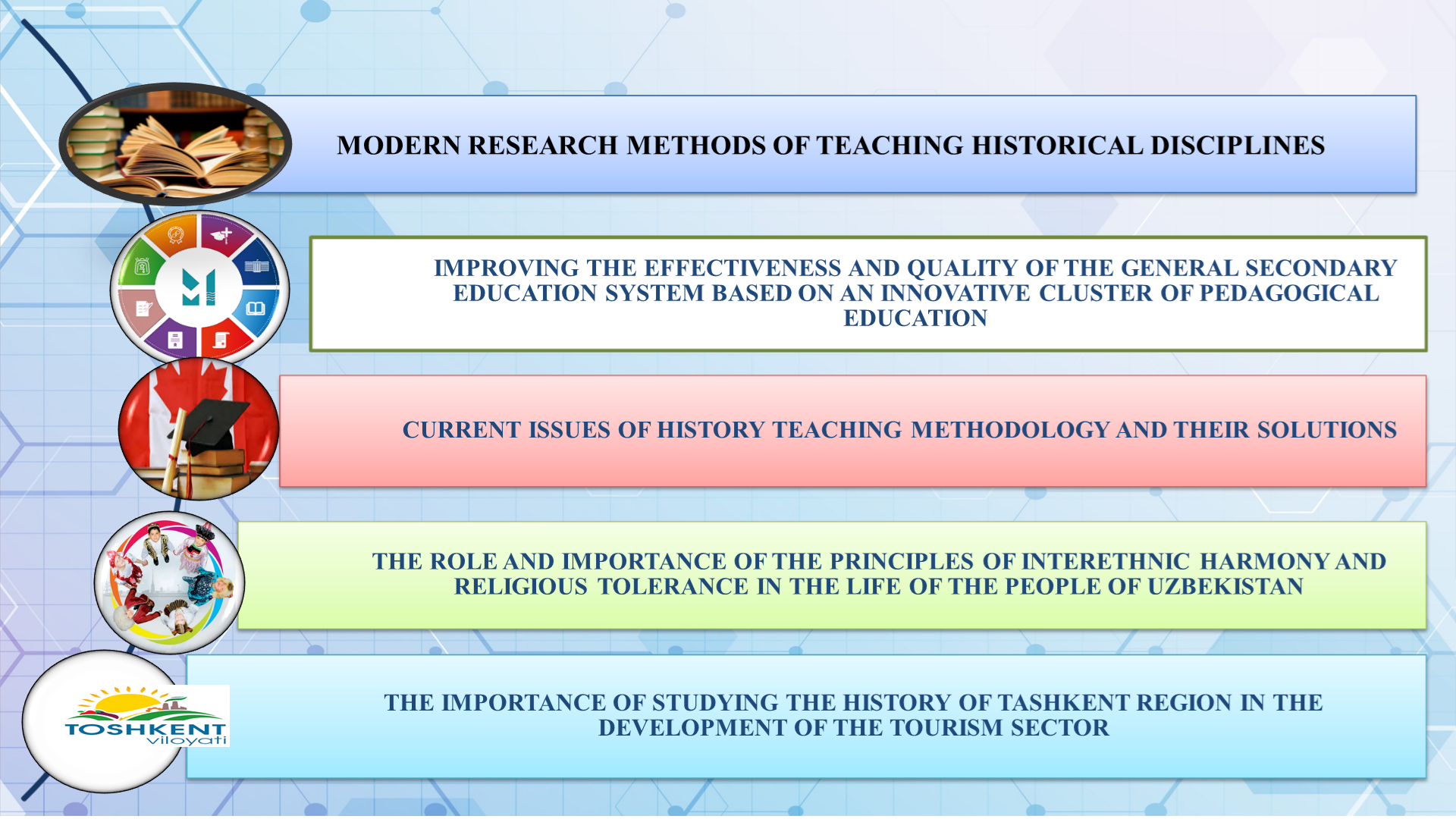
Improving the methodology of teaching historical disciplines based on the pedagogical education cluster (S.A. Toshtemirova);
Pedagogical opportunities for the integrative development of tolerance competence among students (D.B. Ahmadjanov);
Mechanisms for developing digital literacy among school students based on an individual approach (Z. Haydarova);
Methodology for developing students’ professional competencies through practical training (I.S. Joldasov).
— History of Uzbek Statehood
The role and significance of the principles of interethnic harmony and religious tolerance in the life of the people of Uzbekistan;
The regionalization policy implemented in the republics of Central Asia and its outcomes (O.M. Normatov);
The history of advocacy institutions in Turkestan (O.H. Jaynarov);
The role of Sharof Rashidov in the political and social processes in Uzbekistan during 1945–1983 (Sh. Sulaymonova);
The history of the development of pilgrimage tourism in Uzbekistan (Sh. Jumayeva);
The role of General Jurabek in the socio-political life of the Bukhara Emirate (Sh. Parmonov).
— World History and International Relations
Socio-economic relations between the Arab states of the Persian Gulf and the republics of Central Asia.
— Historiography
Coverage of the history of Uzbekistan in Turkey (S. Toshev).
Report on the Results of the Department’s Research Activities for 2023
Report on the Results of the Department’s Research Activities for 2024

📌 Department’s scientific research activities:
Projects are carried out in cooperation with regional and national enterprises and organizations under economic agreements.
Scientific research projects are conducted in collaboration with international scientific centers.
🌐 International Collaboration:
Swiss National Science Foundation
Project: IZSTZO_223625 “Myths of Equality: The History of Gender Equality in Central Asian Science (1870–1970)”
Goal: In-depth study of the history of gender equality
🏛 Regional Research:
Commissioned by Tashkent Region “Mahalla” Fund
Result: the book “Mahallas of Tashkent Region” prepared for publication
🔬 National Scientific Collaboration:
Chirchik State Pedagogical University and Center for Islamic Civilization in Uzbekistan
Agreement: January 8, 2024
Project: “History of Mining and Metallurgy in Uzbekistan”

Interview of the Professor of the Department of History, PhD in History Yarash Kholliyevich Gaffarov, for the “History of Uzbekistan” TV channel regarding the Republican Scientific-Practical Conference on the topic “Contemporary Research on the History of the Tashkent Oasis”
Interview of the Head of the Department of History, Associate Professor, PhD in History Otabek Maxamatjonovich Normatov, for the “History of Uzbekistan” TV channel regarding the Republican Scientific-Practical Conference on the topic “Contemporary Research on the History of the Tashkent Oasis”
Interview of the Associate Professor of the Department of History, PhD in Philosophy Jumayeva Shoira Berdiyarovna, for the “History of Uzbekistan” TV channel regarding the Republican Scientific-Practical Conference on the topic “Contemporary Research on the History of the Tashkent Oasis”
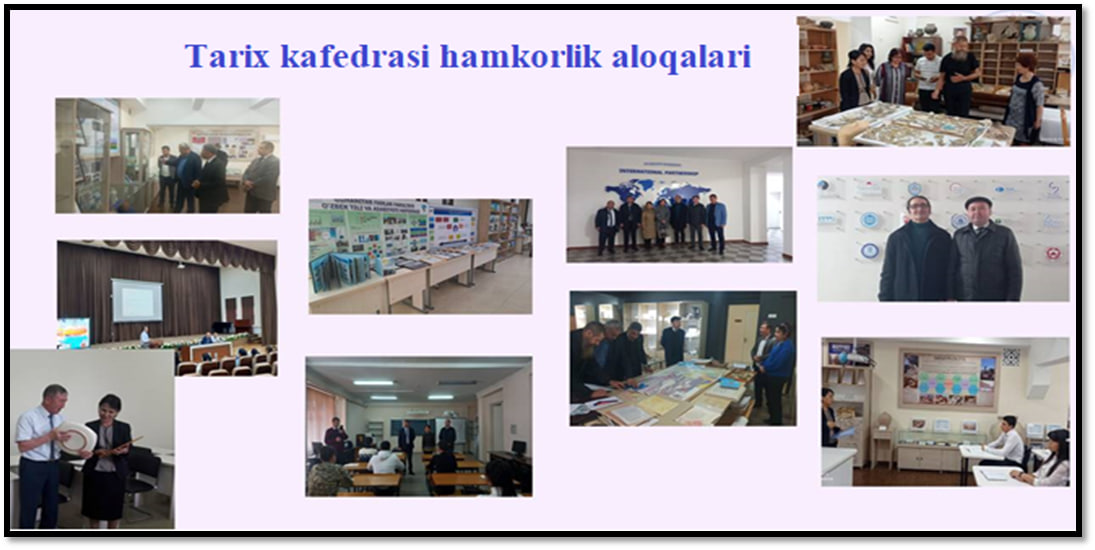
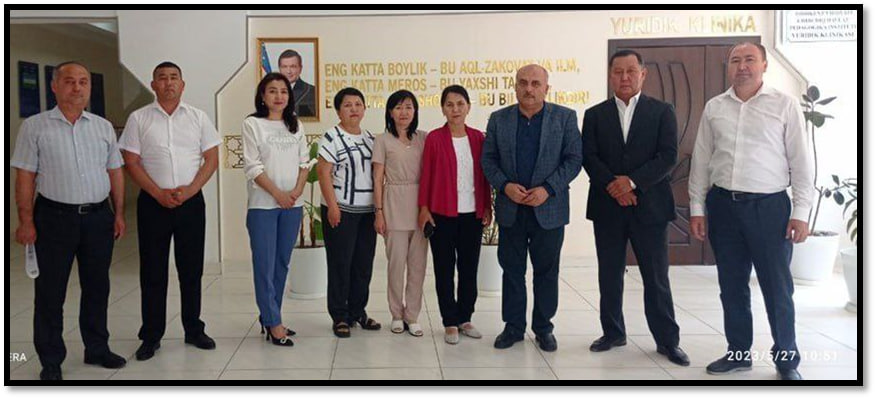
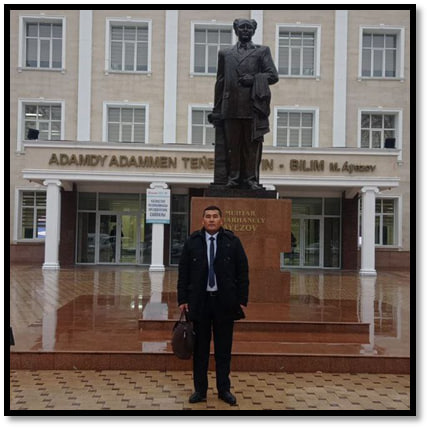
Based on a cooperation agreement, the department has established collaboration with the South Kazakhstan State University named after M. Auezov (Kazakhstan), the Tajik Pedagogical Institute (Republic of Tajikistan), the Latvian Institute of History (Latvia), and the Ural Federal Universities (Russian Federation).
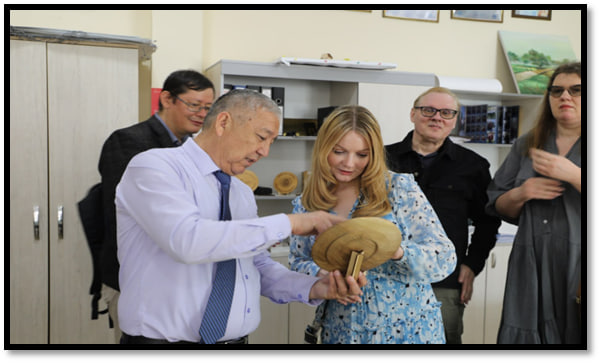
(Club sessions are held every Thursday of the week)
Purpose of the Club:
To enhance students’ knowledge of all social and humanitarian sciences, including history; to develop critical and creative thinking among young people; and to improve their public speaking skills.
Objectives of the Club:
To foster students’ ability to understand real history; to present historical information based on facts; to analyze and synthesize information and evidence with a critical approach; to develop independent thinking skills; to propose solutions to problematic situations in history and contemporary social life; and to study interdisciplinary links within the social and humanitarian sciences.
Topics Covered within the Club:
Program, goals, and objectives of the debate club
How do you envision the “Historian of the Future”?
I know history and I will become a historian
Some reflections on entering scientific research in history
Achievements and challenges of history textbooks
The importance of auxiliary disciplines in studying history
The impact of globalization on national identity
An analytical approach to studying scholarly works on history
For the homeland, for the nation, for the people — or what is the difference between yesterday and today?
The representation of historical figures in narratives
Which is preferable: e-books or paper books?
In child upbringing, which is more important: heredity or environment?
Is migration an achievement or a problem?
Is artificial intelligence an obstacle to human independent thinking or an opportunity?
The importance of gender equality in societal development
Can online education replace traditional education?
Should freedom of speech be restricted on social media?
How justified is the manipulation of historical information by states to suit their own interests?
Have epidemics been a basis for change in human life, or have they hindered progress?
The American Revolution (1776) or the French Revolution (1789): which had a greater impact on modern democracy?
Did the British Empire bring more benefit or harm to its colonies?
Fascism and communism: which was the greatest threat of the 20th century?
How important is press information for science?
Are cultural wars a threat to human progress?
Literary works or films: which has a greater sphere of influence?
Does industrialization contribute to development?
Do we need modern professions?
Which factor is more decisive for development: the human factor or the geographical factor?
Public educational institutions or private educational institutions: which is preferable?
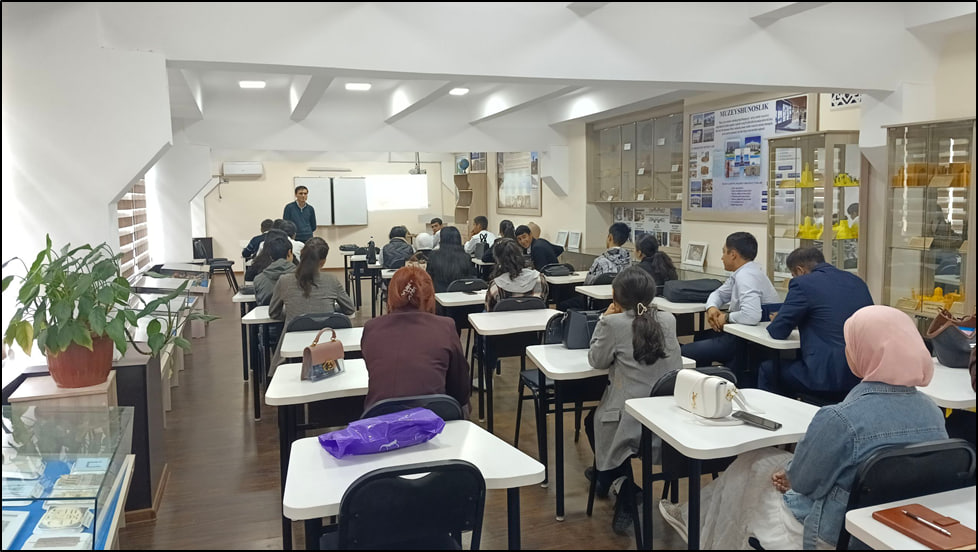
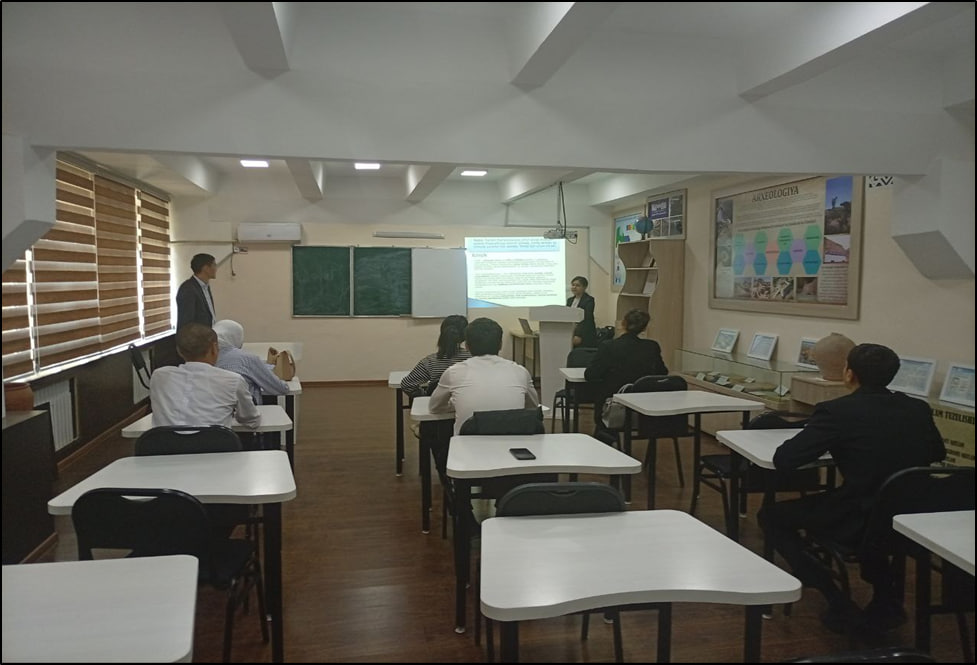
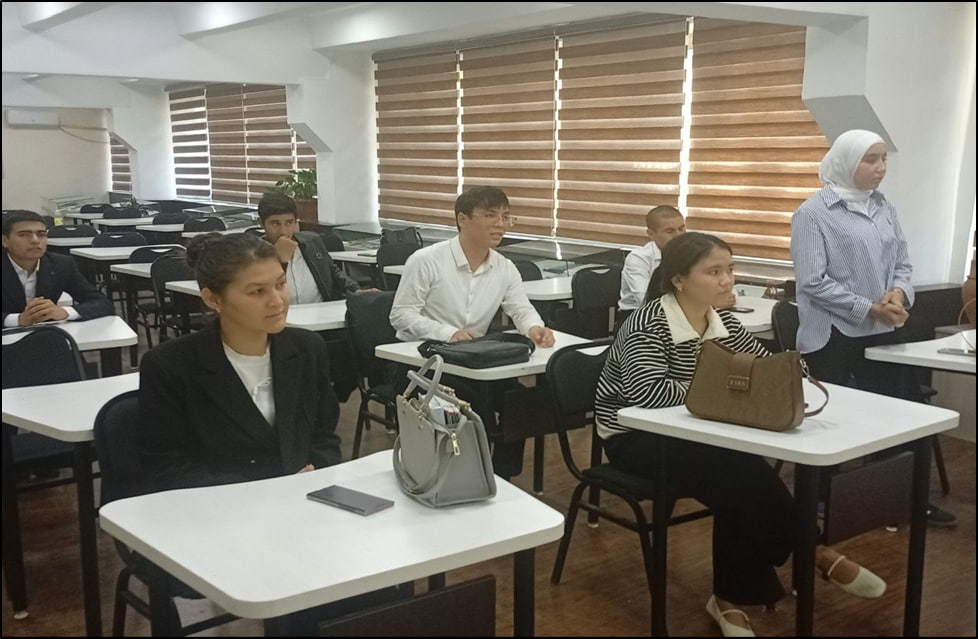
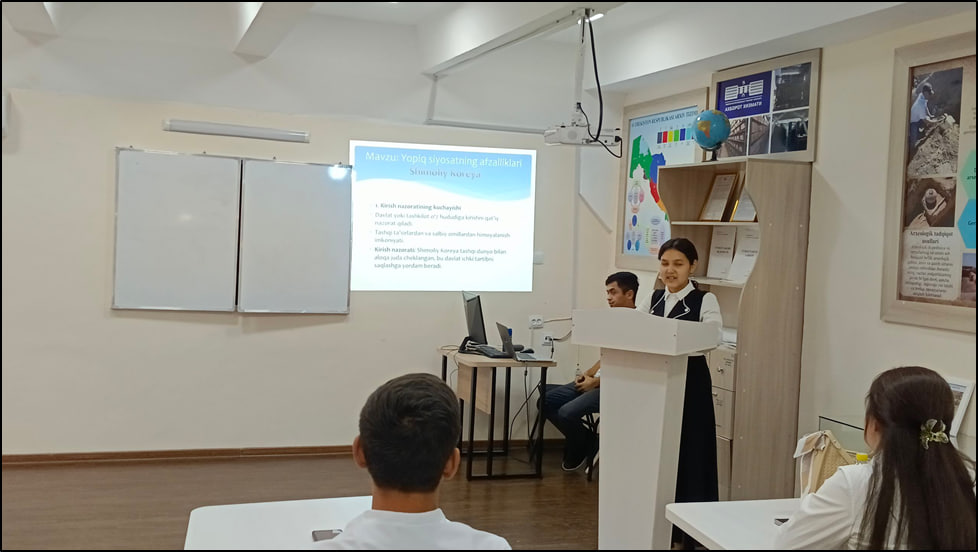
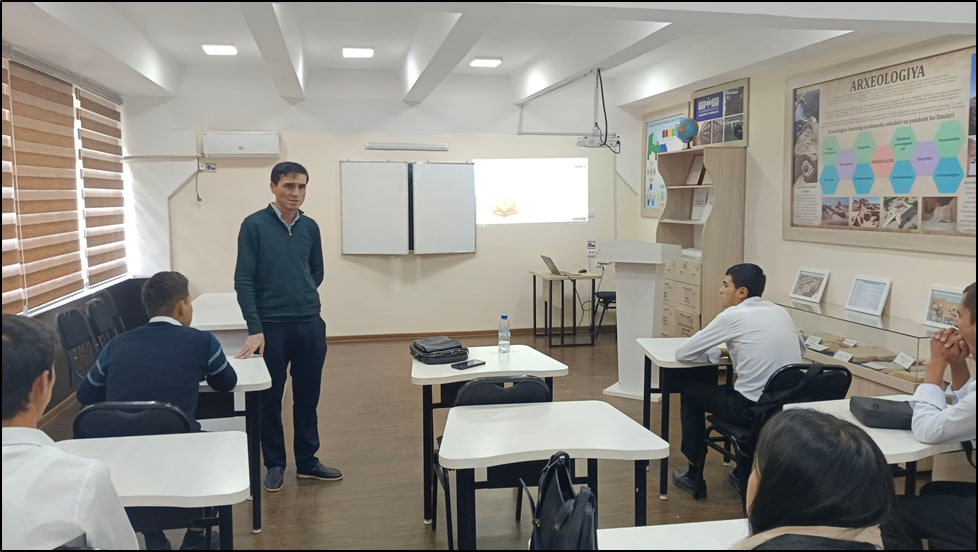
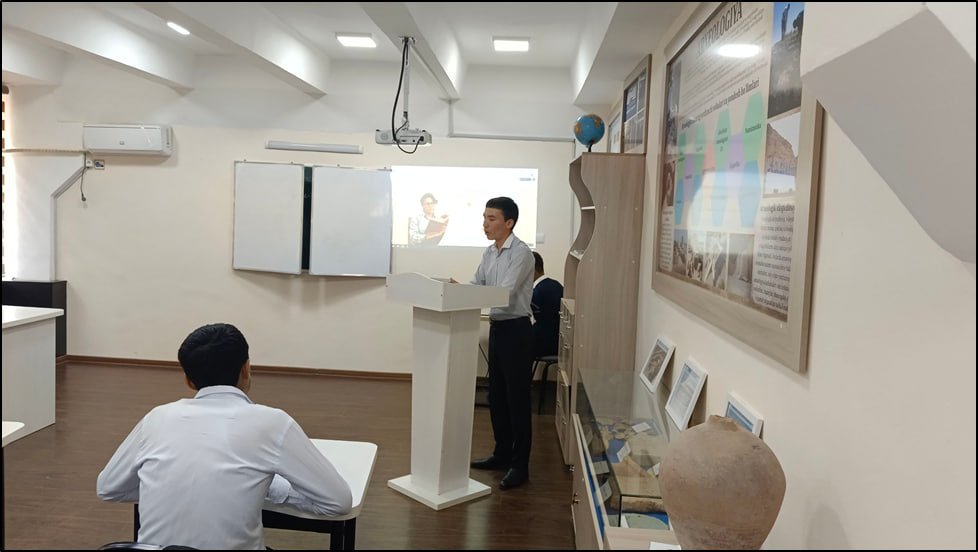
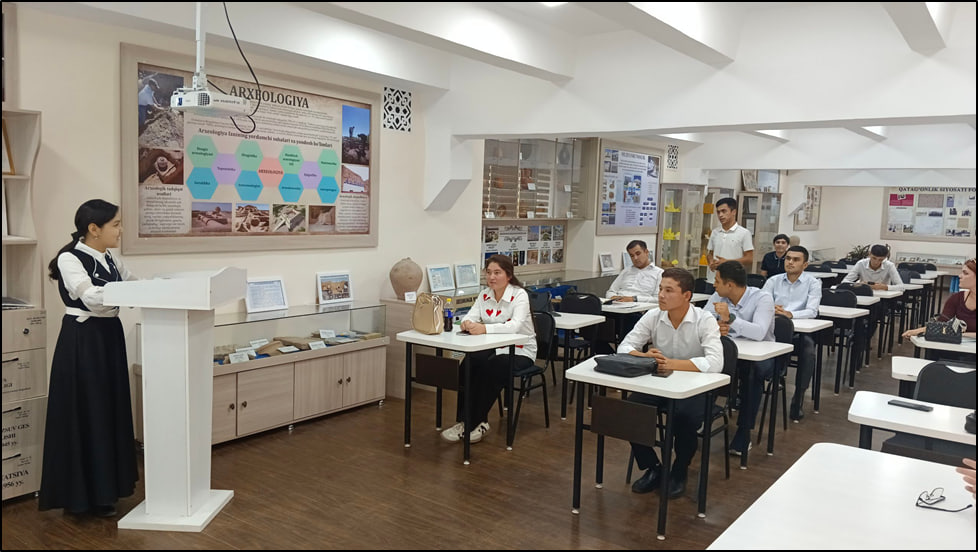
Annual REPORT of the “Learning English” Club for the 2025 Academic Year under the Department of History, Faculty of Humanities,
Chirchiq State Pedagogical University
During the 2025 academic year, the “Learning English” club, established under the Department of History of the Faculty of Humanities at Chirchiq State Pedagogical University, carried out its activities effectively in accordance with a planned program. The main objective of the club was to assist students in learning the English language, to develop their speaking competence, and to form skills in reading and understanding foreign sources related to historical studies.
Club sessions were conducted according to a scheduled weekly timetable. During the classes, a communicative approach, interactive methods, pair and group work, dialogues, and role-playing activities were widely used. In order to increase students’ interest in learning the language, simple texts on historical topics and examples of everyday communication were utilized.
Throughout the year, club members acquired elementary-level skills in expressing their thoughts in English, conducting simple question-and-answer conversations, understanding short texts, and translating them. At the end of the sessions, small tests, oral interviews, and practical exercises were conducted among students to reinforce their knowledge.
The following topics were covered:
Verb to be
Present Simple
Have / has
Personal pronouns
Articles
Modal verbs
Past Simple
Present Continuous
Past Continuous
To be going to
Future Simple
Passive Voice
Present Perfect
Past Perfect
Working with a coursebook
During the 2025 academic year, the “Learning English” club successfully fulfilled its goals and objectives. The club’s activities increased students’ interest in the English language and contributed to the development of their initial language learning competencies. In the future, it is planned to further improve the club’s activities, expand the range of topics, and increase the amount of English-language materials focused on historical studies.
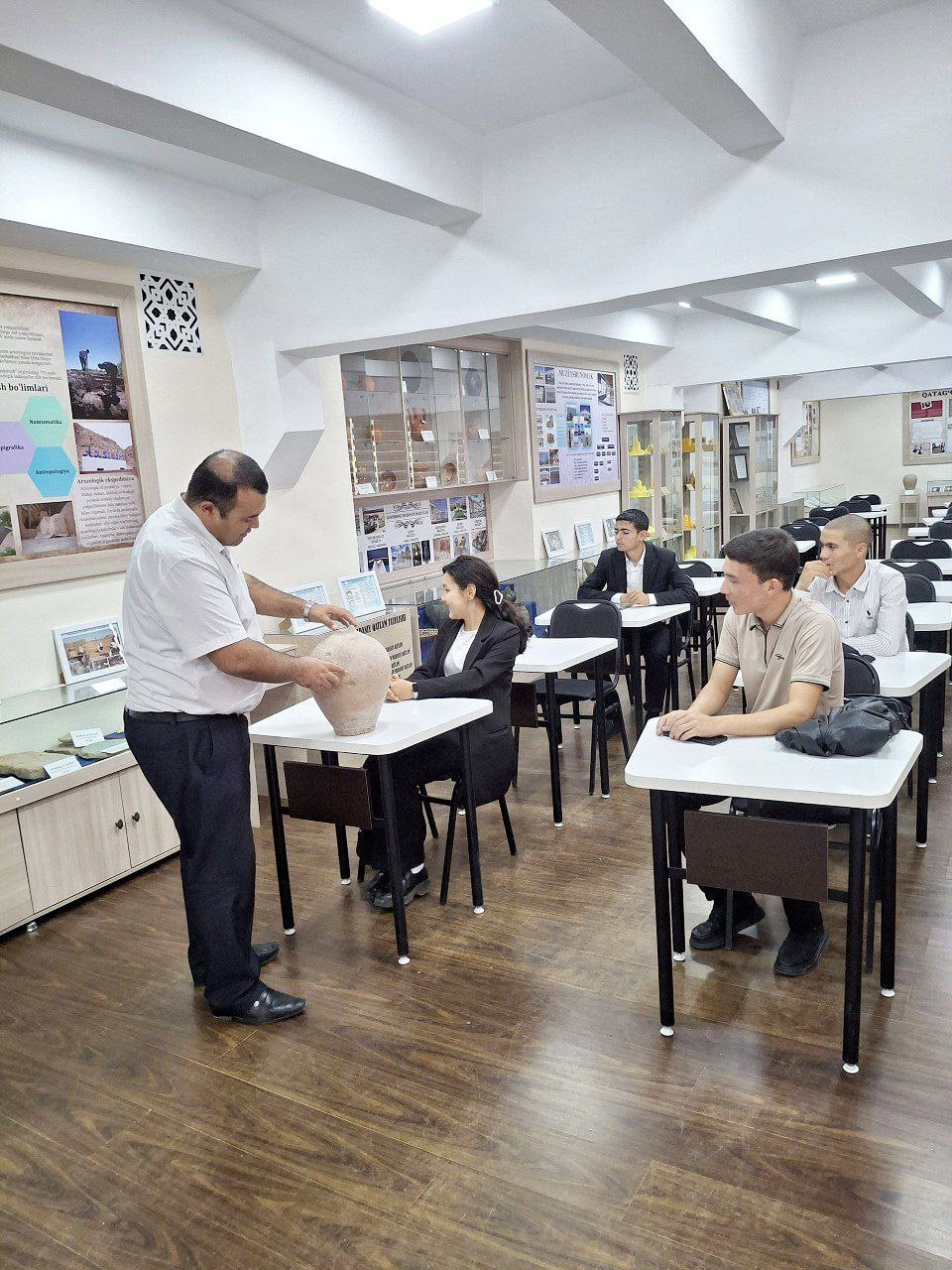
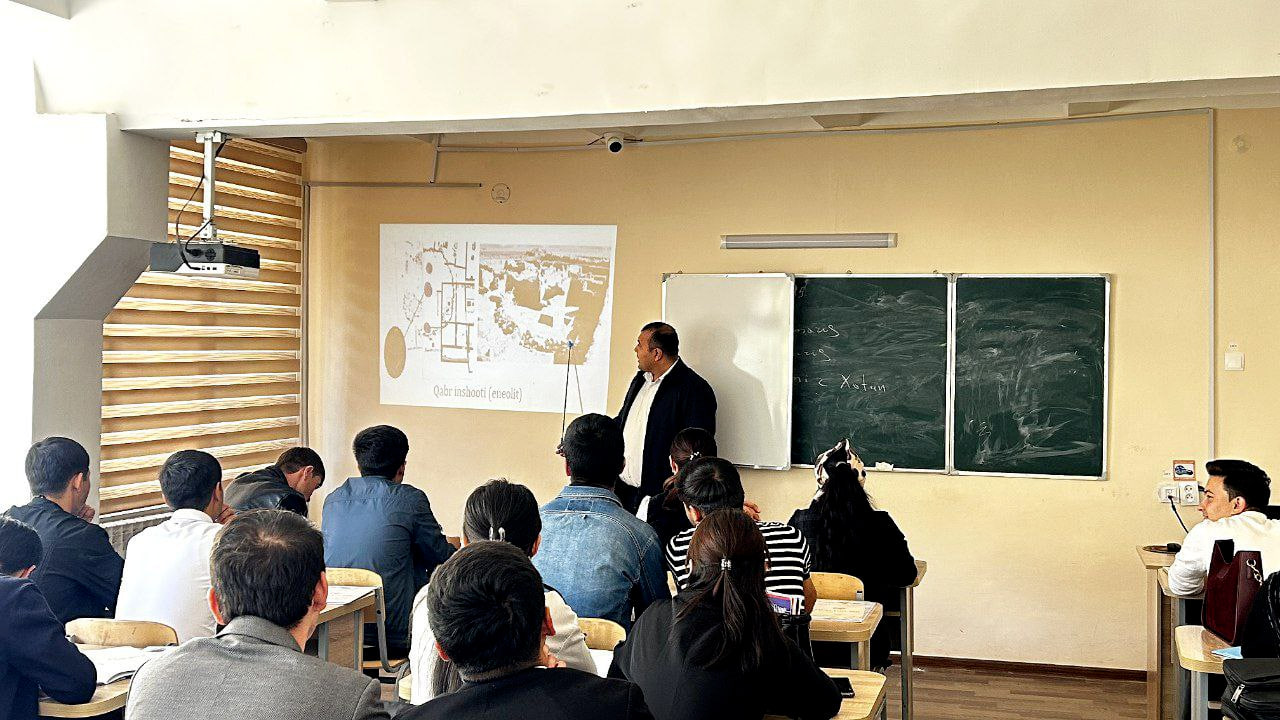
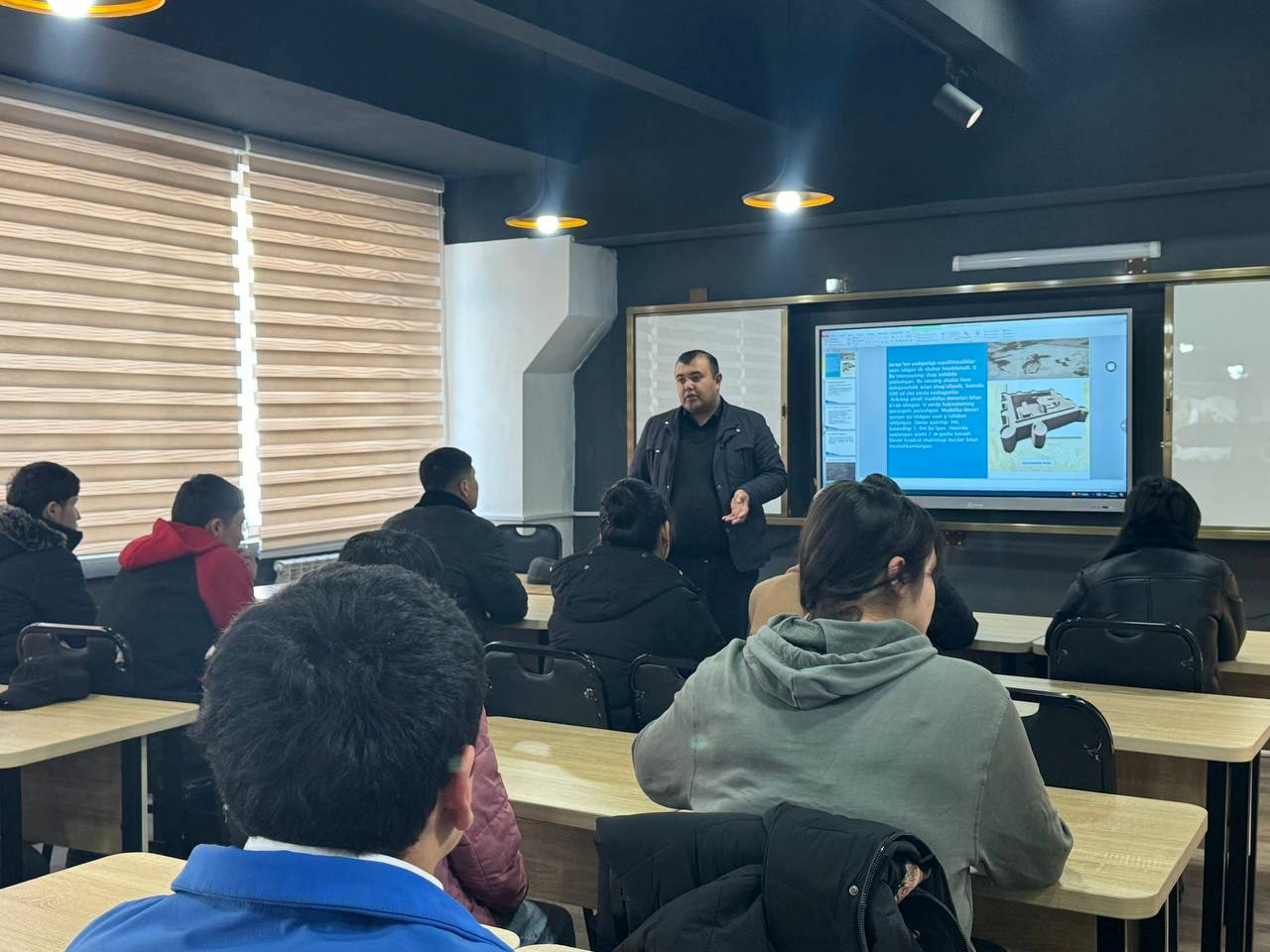
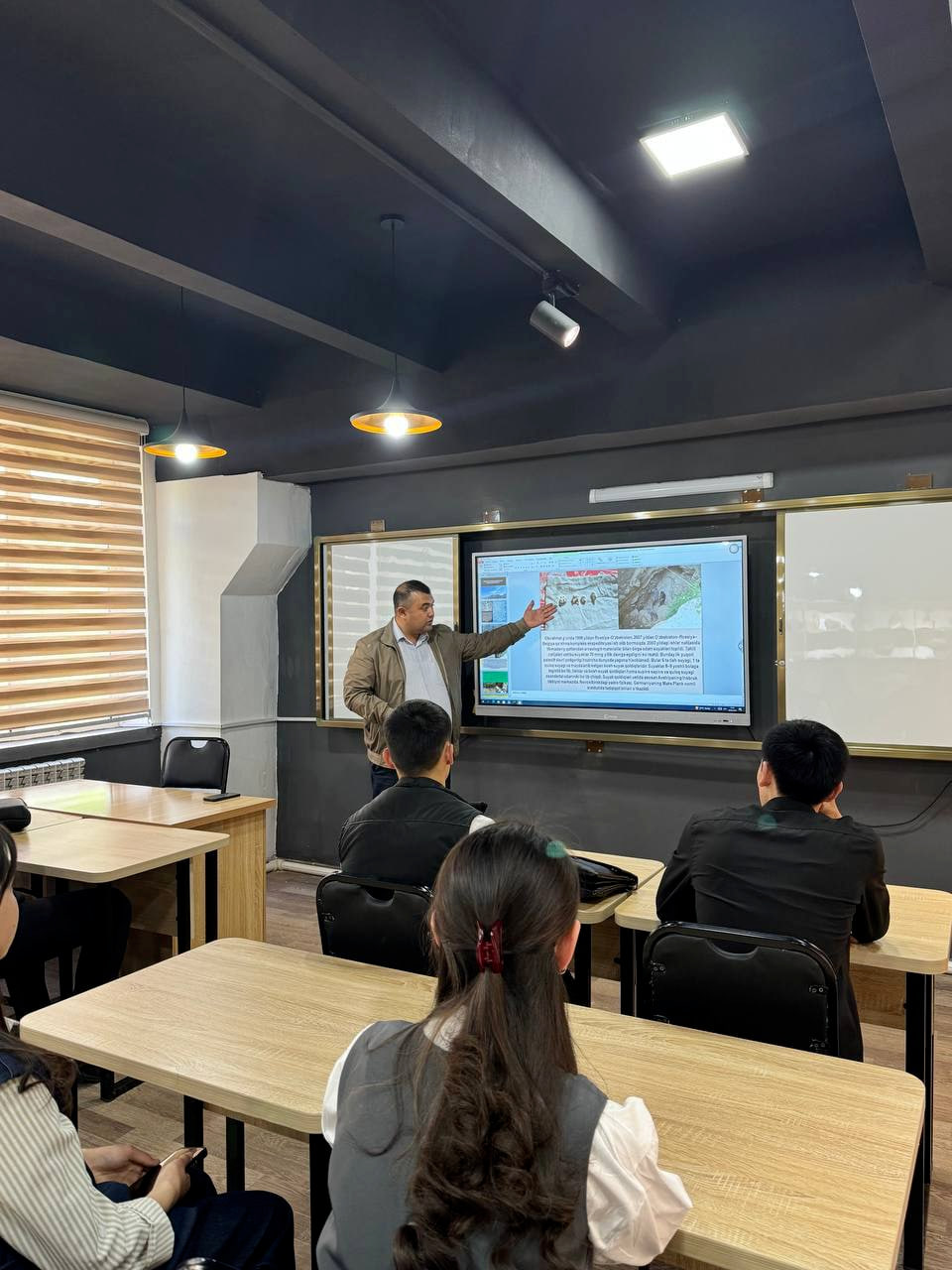
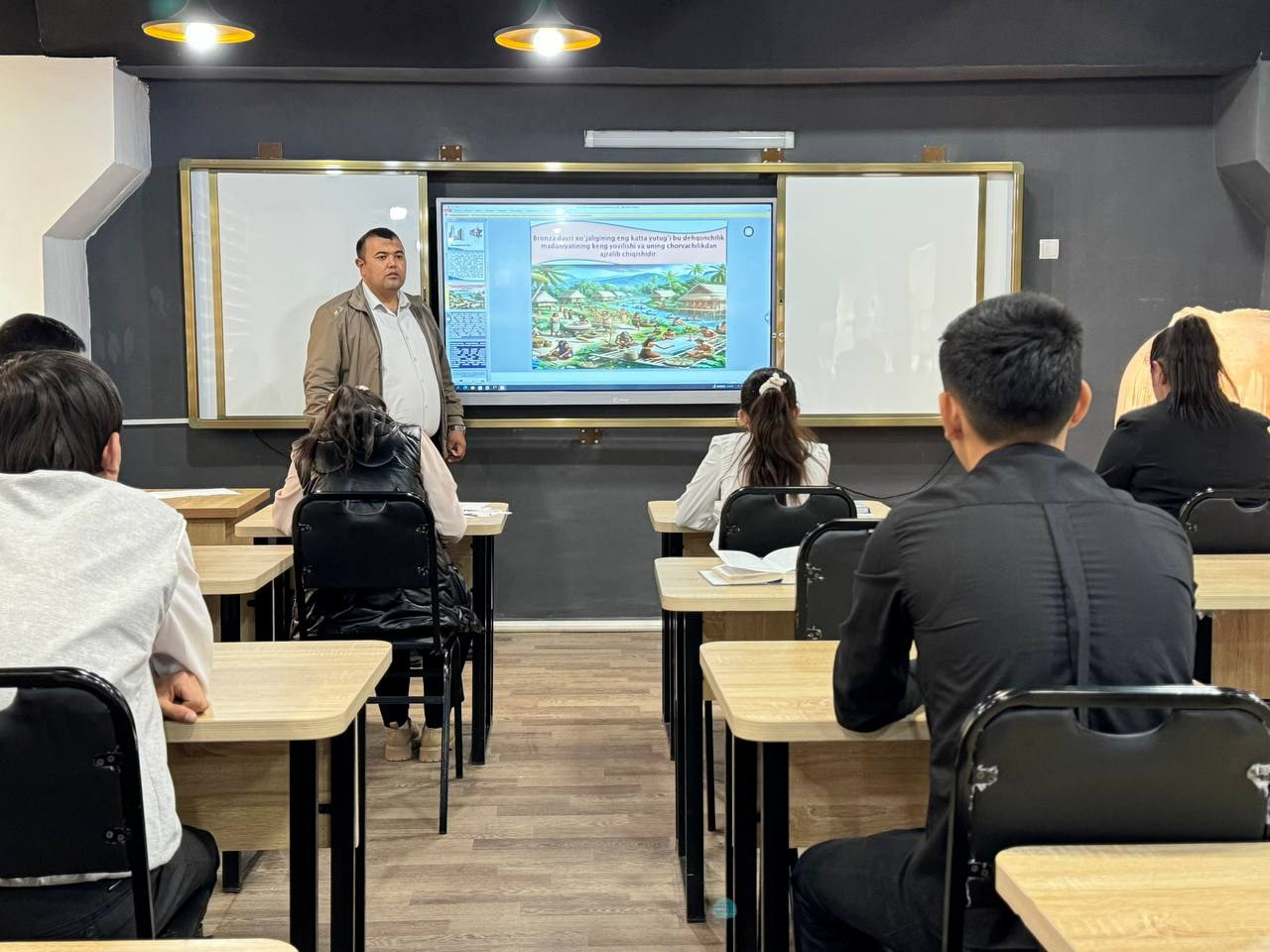
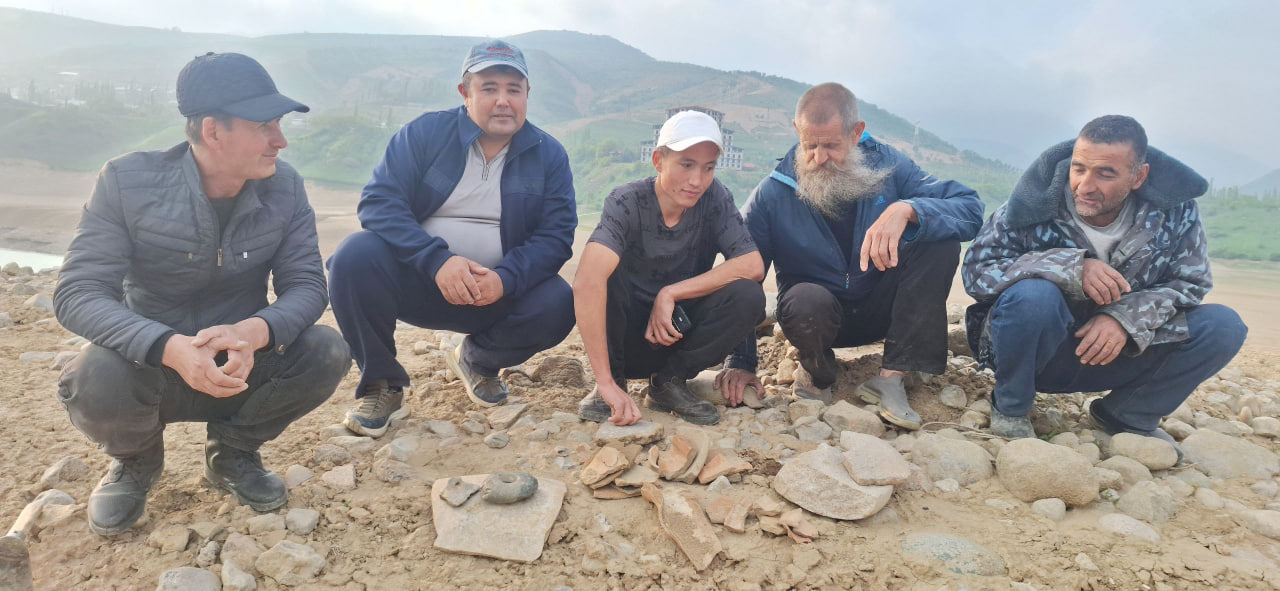
The “Young Archaeologists” Club conducted its activities during the first half of the 2025–2026 academic year in accordance with the approved work plan. The main goal of the club is to increase students’ interest in archaeology and history, develop research skills, and educate young people in the spirit of preserving national cultural heritage.
During the reporting period, the club consisted of 15 student members. Meetings were regularly held every Thursday from 14:00 to 15:20, where current issues in archaeology, ancient monuments located in Uzbekistan, archaeological research methods, and their results were discussed.
In the first half of the 2025–2026 academic year, the following activities were carried out:
— a scientific-educational seminar on the topic “Ancient Civilizations in the Territory of Uzbekistan”;
— practical sessions on working with archaeological terminology and sources;
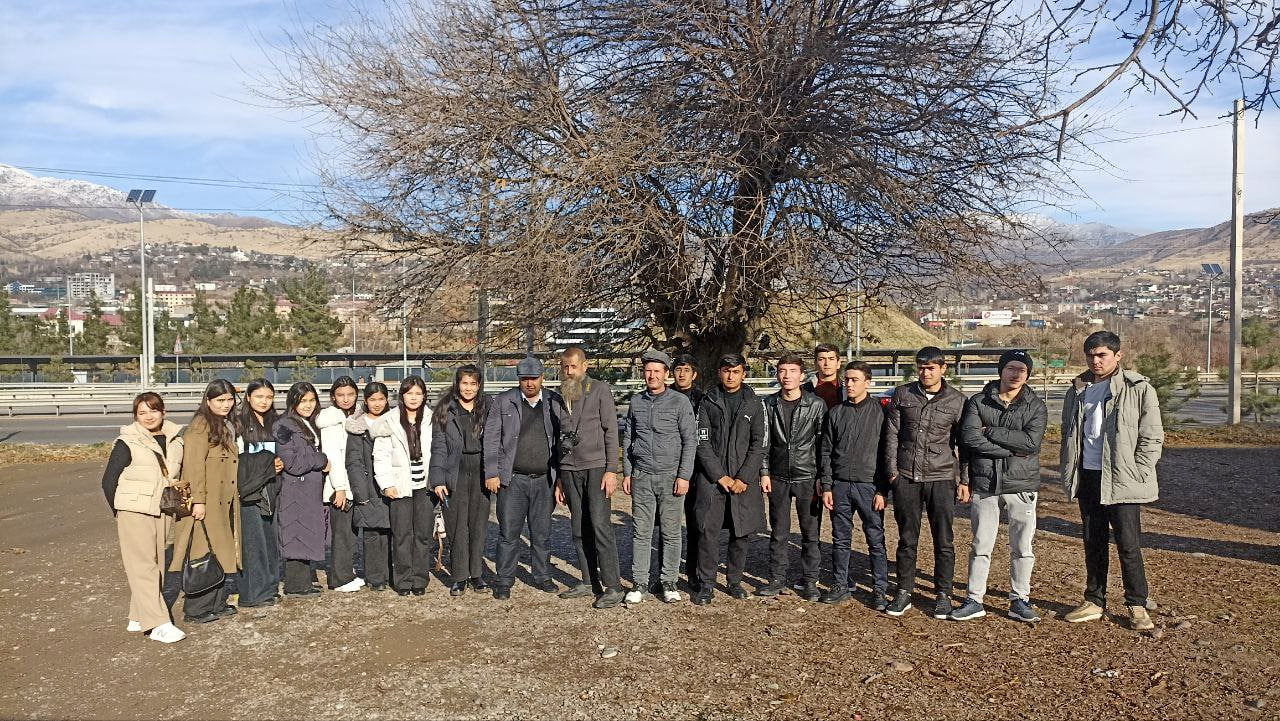
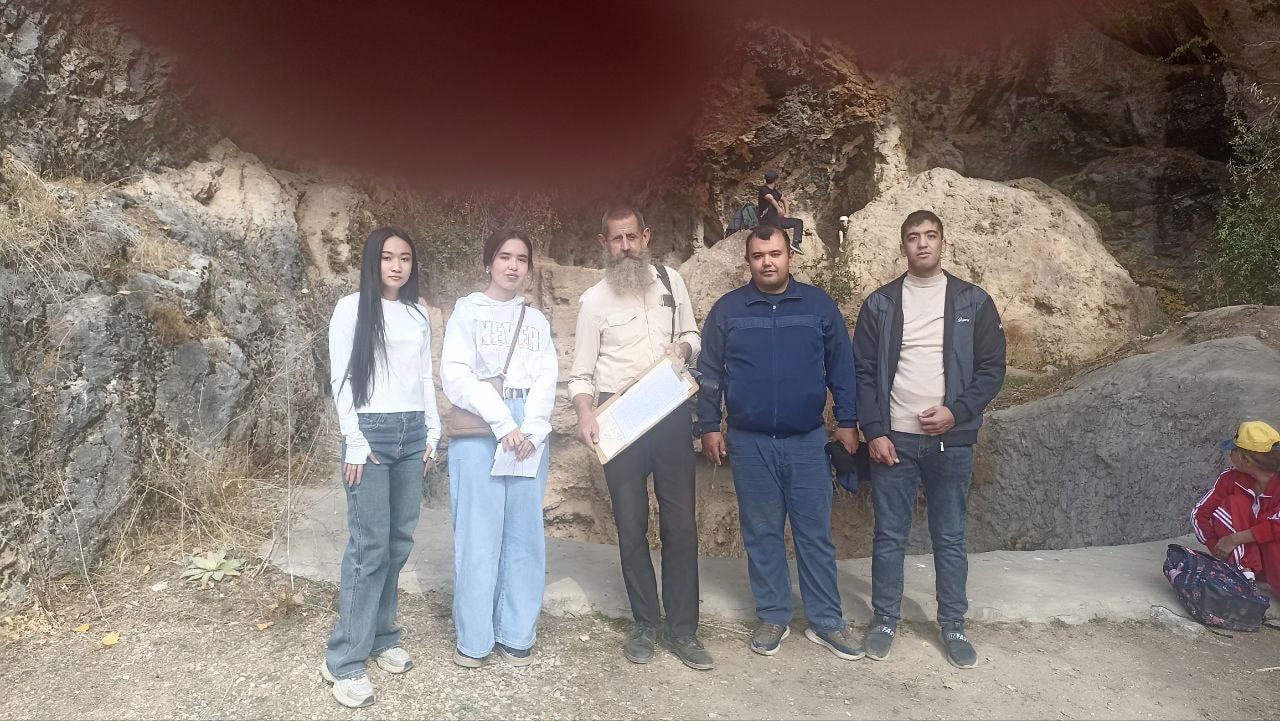
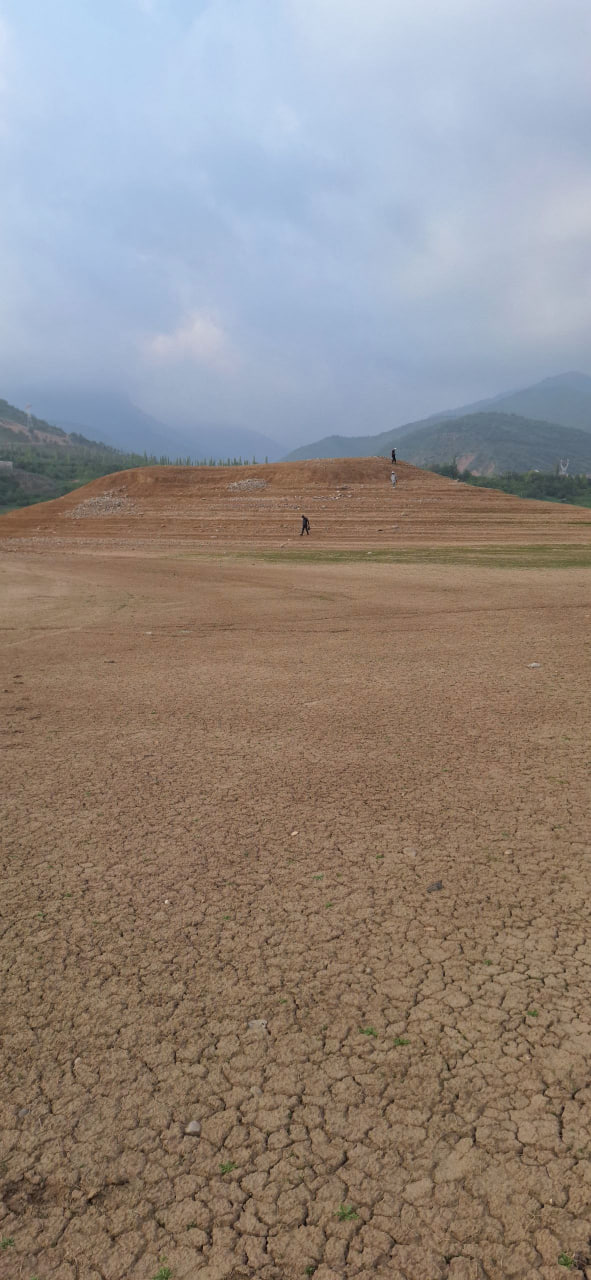
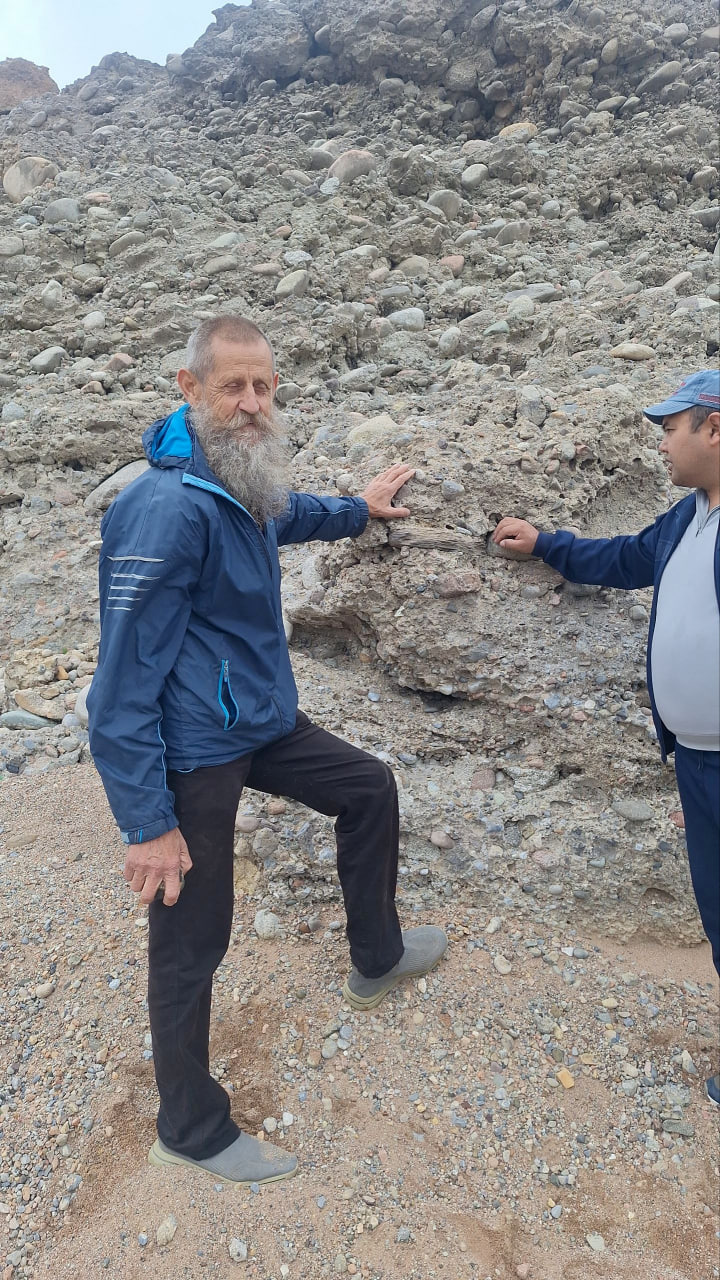
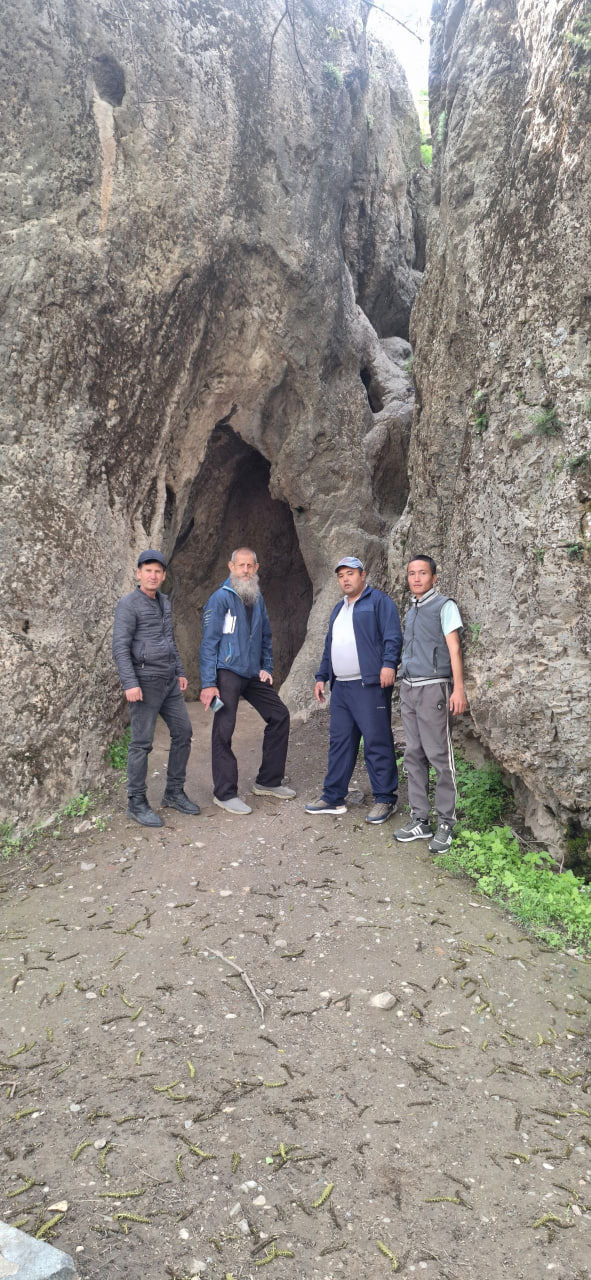
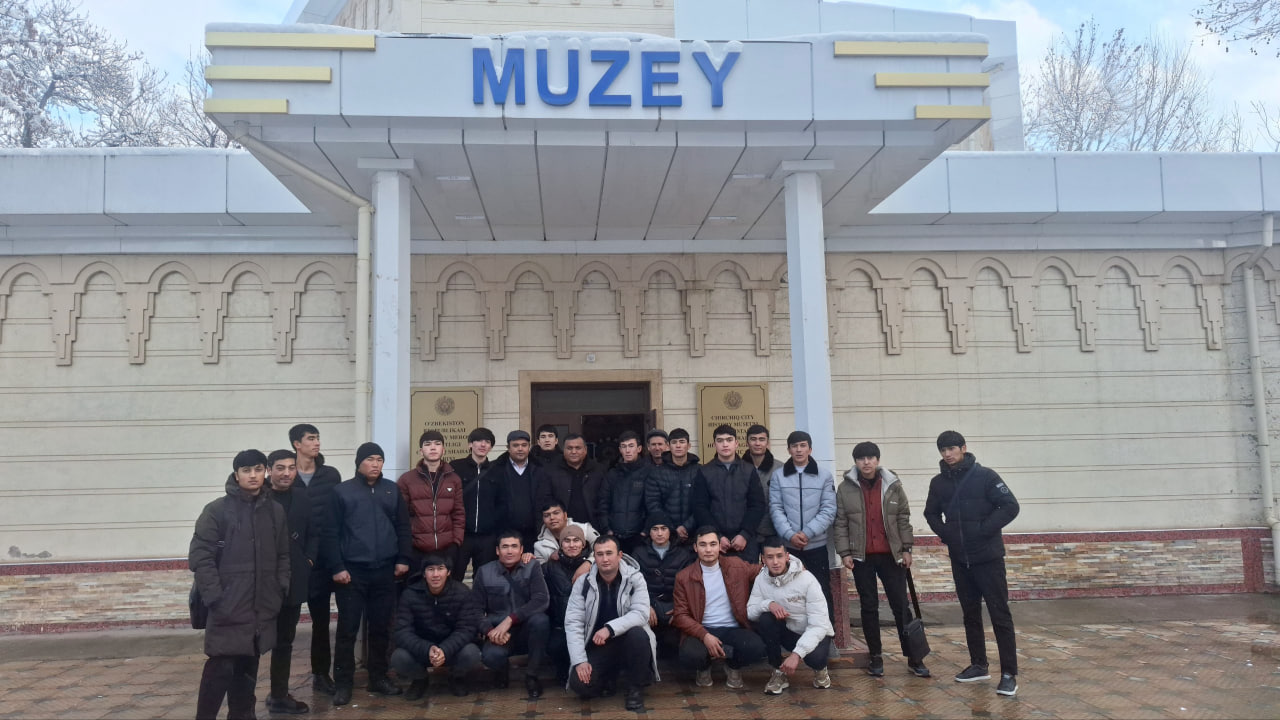
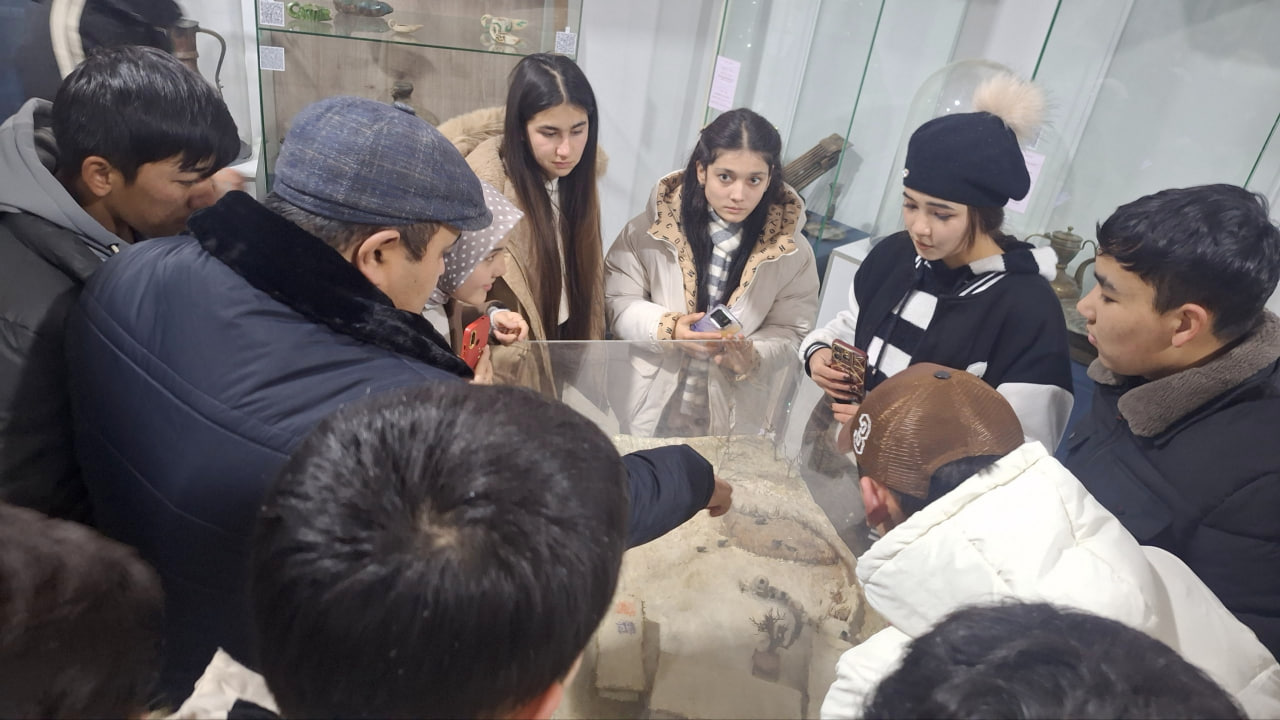
— excursions to museums and historical-archaeological monuments. For example, visits were organized to the Chirchiq City History Museum and to the archaeological sites of Khojakent, Obirahmat, Paltau, and Kodovot Tepa located in the Bostanlyk district of Tashkent region;
— roundtable discussions and presentations with the participation of talented students;
— guidance for students in preparing scientific articles and theses.
Special attention was paid by club members to research activities. Several students participated in scientific-practical conferences at the university and national levels. In addition, reports, presentations, and small research projects related to archaeology were prepared.
Within the framework of the club, events aimed at fostering patriotism, respect for historical memory, and devotion to national values were also conducted. Issues related to preserving historical heritage and passing it on to future generations were widely promoted.
Overall, the “Young Archaeologists” Club successfully fulfilled its objectives during the first half of the 2025–2026 academic year. Its activities contributed to improving students’ knowledge, developing their scientific potential, and strengthening their interest in archaeology. In the future, it is planned to further improve the club’s work and expand field-practice activities.
| № | Topics studied within the club | Hours | Date |
| 1 | Formation and development of archaeology as a science | 2 | 18.09 |
| 2 | Tasks and problems facing archaeology at the present stage | 2 | 25.09 |
| 3 | The Paleolithic period and its study | 2 | 03.10 |
| 4 | Middle Paleolithic archaeology of Tashkent region | 2 | 10.10 |
| 5 | Early forms of religious beliefs | 2 | 17.10 |
| 6 | Archaeology of the Late Paleolithic | 2 | 24.10 |
| 7 | Overview of archaeologists who studied the Paleolithic | 2 | 31.10 |
| 8 | Mesolithic culture of Tashkent region | 2 | 07.11 |
| 9 | Neolithic cultures | 2 | 14.11 |
| 10 | Beginning of the polymetal era | 2 | 21.11 |
| 11 | Eneolithic sites in Central Asia | 2 | 28.11 |
| 12 | Discovery of bronze | 2 | 04.12 |
| 13 | Stages of studying the Sapallitepa and Jarkutan cultures | 2 | 11.12 |
| 14 | Archaeology of Zoroastrianism | 2 | 18.12 |
| 15 | Desert-zone tribes of the Bronze Age | 2 | 25.12 |