

Additionally, in order to ensure transparency in the processes of hearing and evaluating students’ opinions, a formal feedback mechanism has been established within the department. Following the announcement of final assessment results, students are granted the right to submit an appeal to the departmental Appeals Committee within 24 hours. This procedure is designed to eliminate potential ambiguities in the assessment process and to ensure that students’ perspectives are duly considered. Continuous feedback practices are also implemented: surveys and analytical reports are conducted on a regular basis to collect students’ evaluations of educational quality, and all submitted appeals and requests are systematically reviewed. Based on the findings obtained, targeted measures are developed to further enhance and improve the quality and effectiveness of the educational process.
Interfaculty Department of Social Sciences
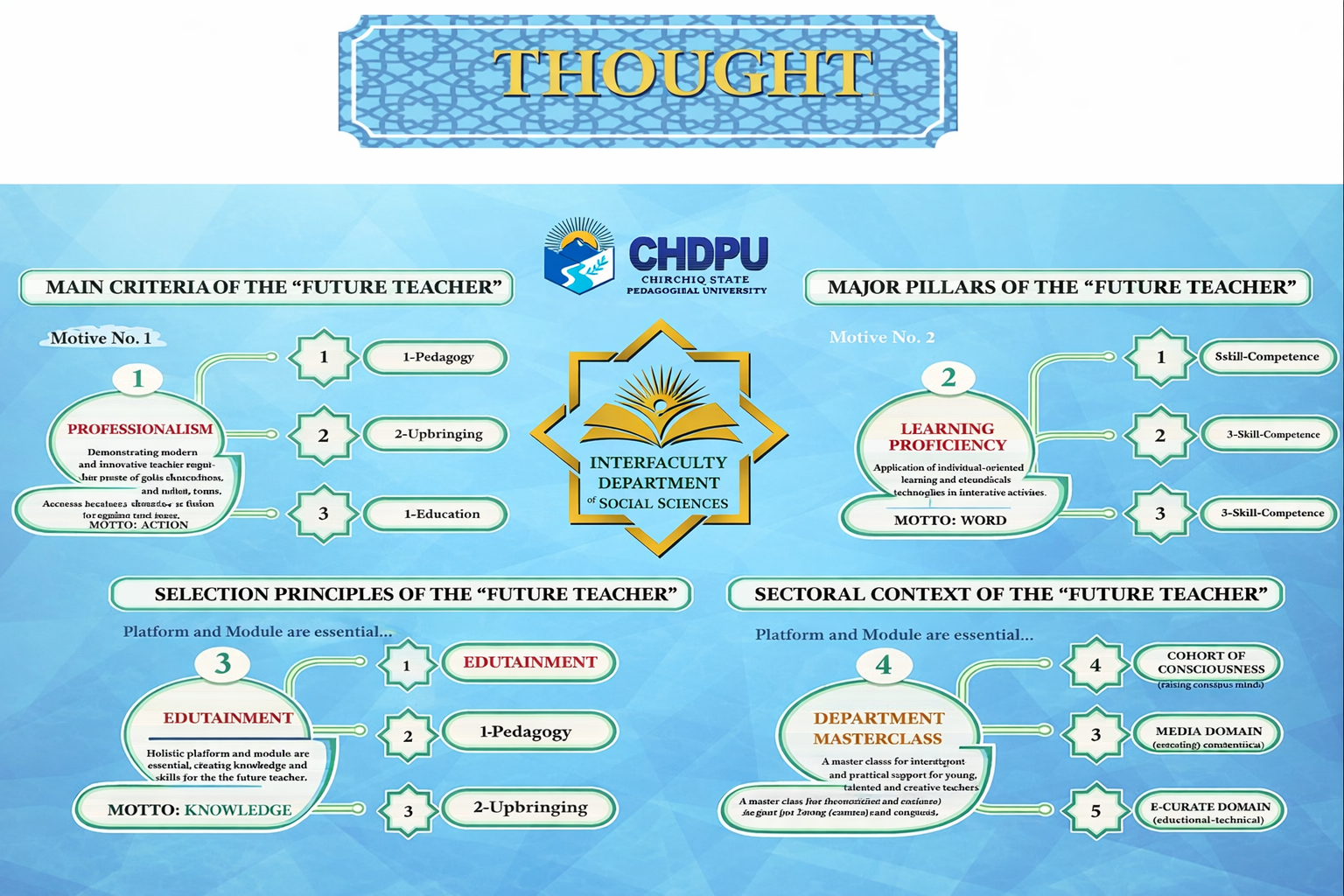
Established in 2022, the Interfaculty Department of Social Sciences at Chirchik State Pedagogical University is dedicated to nurturing creative thinking and tolerant communication skills in students. It's responsible for teaching Philosophy, Religious Studies, Media Literacy and Information Culture, and the Newest History of Uzbekistan across all university programs. The department focuses on enhancing educational quality through innovative pedagogical methods, expanding international collaborations, and developing a robust research environment in these vital social science disciplines.
INTERFACULTY DEPARTMENT OF SOCIAL SCIENCES
Year of Establishment: 2022 Address: Tashkent region, Chirchik State Pedagogical University, Building 6 B, Room 312.
The Interfaculty Department of Social Sciences was established on August 28, 2022, by Decision No. 1 of the Council of Chirchik State Pedagogical Institute of Tashkent Region. Previously operating as the "Social Sciences" department, it later separated as an independent department. Currently, the department is responsible for teaching Philosophy, Religious Studies, Media Literacy and Information Culture, and the Newest History of Uzbekistan to students across all university programs.
DEPARTMENT GOALS AND OBJECTIVES
Department Mission: The main task of the Interfaculty Department of Social Sciences is to develop students' creative thinking and to form their communicative competence in tolerance.
Department Goals:
- To enhance the quality of education at the university level through professional-oriented programs and advanced pedagogical methods.
- To expand international cooperation – establish partnerships with universities, the scientific community, and educational projects.
- To develop the research environment – transform into an innovative center for professional ethics, public speaking, and pedagogical research.
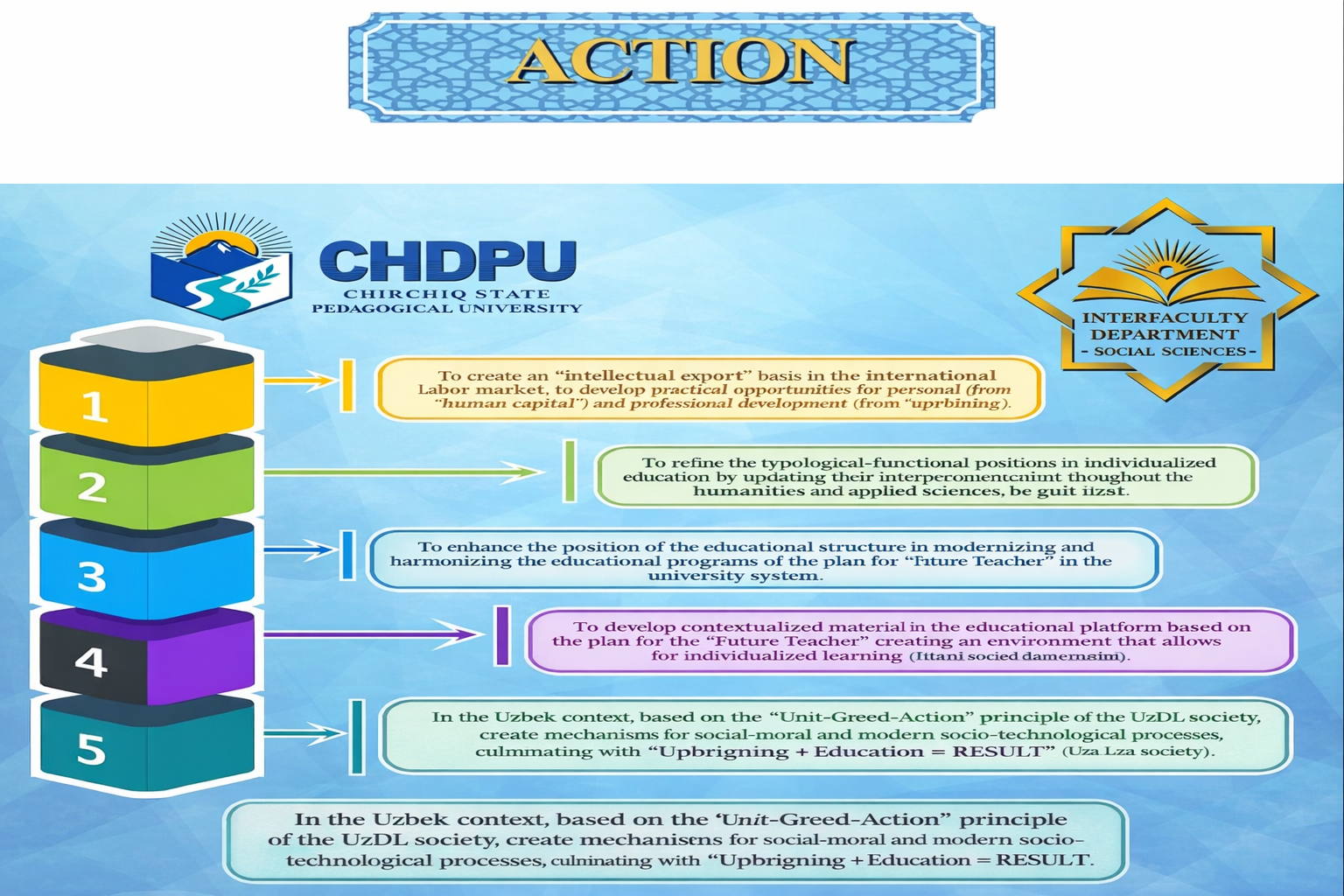
Mid-term Strategic Development Program of the Interfaculty Department of Social Sciences (for 2022-2025)
CURRICULA
The department conducts classes for undergraduate students in the following subjects:
- 1st-year curricula: For all educational programs – Philosophy, Media Literacy and Information Culture, and the Newest History of Uzbekistan.
- 2nd-year curricula: For all educational programs – Religious Studies.
SCIENTIFIC RESEARCH DIRECTIONS AND PROJECTS
The Interfaculty Department of Social Sciences conducts scientific research in several strategic directions. These directions aim to conduct scientific research that meets modern educational requirements, expand cooperation with national and international scientific communities, and achieve practical results:
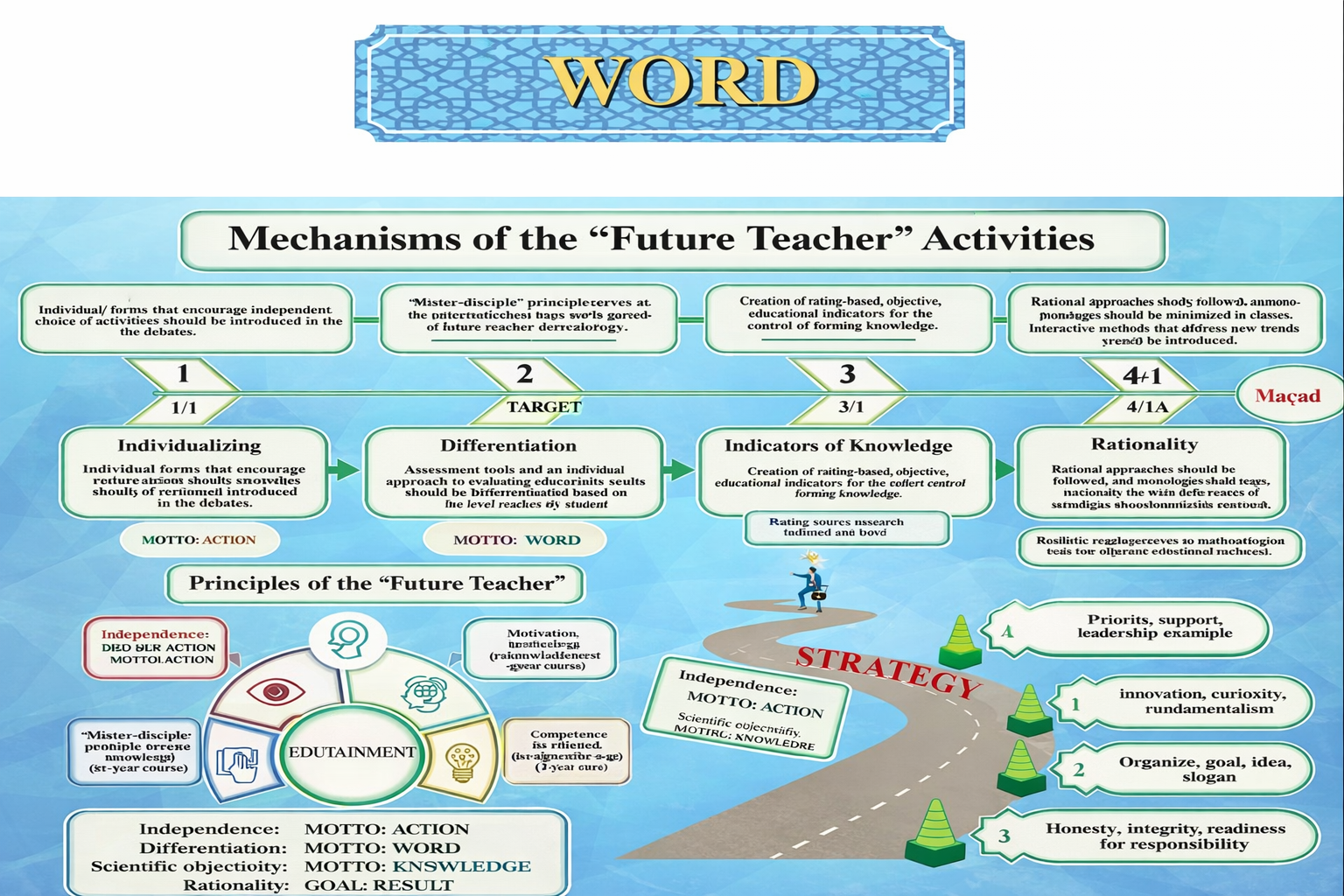
- Methodology of Teaching Philosophy: As a globally taught subject, developing the methodology of teaching philosophy is one of the department's priority areas. Special attention is paid to improving the laws of thought and developing creative thinking, developing critical thinking skills, and refining independent learning-oriented approaches in teaching philosophy. Additionally, successful work has been carried out on improving the educational process based on psycholinguistic-scientific approaches.
- Research on Religious Studies: The department's scientific research in this area is aimed at studying national and tolerant tendencies, including conducting scientific seminars in accordance with state programs. For instance, efforts are focused on implementing intercultural integration processes among students studying in Tajik, Russian, and Kazakh language groups through the activities of youth analysts' intellectual clubs, exemplified by friendship centers within the Faculty of Humanities. The genesis and development principles of tolerance tendencies in today's renewing society have begun to be studied.
- Developing Competencies Based on the Newest Historical Data: Forming a database using modern educational technologies and conducting research aimed at developing students' communicative and creative skills are considered one of the department's current priority areas. The main goal is to promote the development of students' independent thinking skills through innovative and creative approaches to the scientific information of the Newest History.
- Communication and Dialogue in Media Literacy: A crucial aspect of media literacy is developing intercultural communication competence and promoting universal values. In this regard, the department's activities involve important aspects such as creating an information base covered by world media, conducting numerous studies in the areas of national mentality, national values, and moral education.
These directions serve to enhance the department's scientific research potential and develop new modern methodologies.
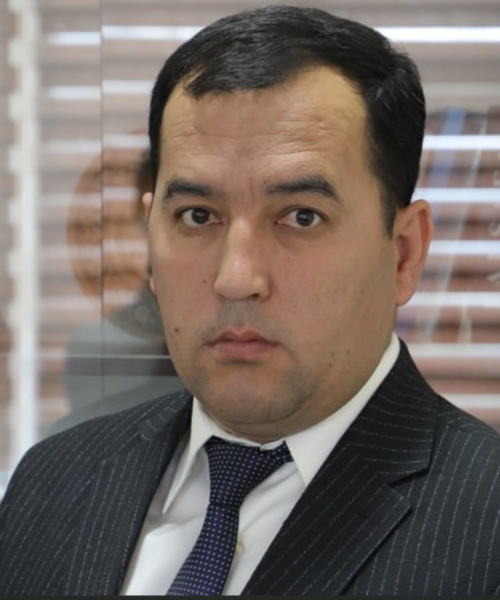
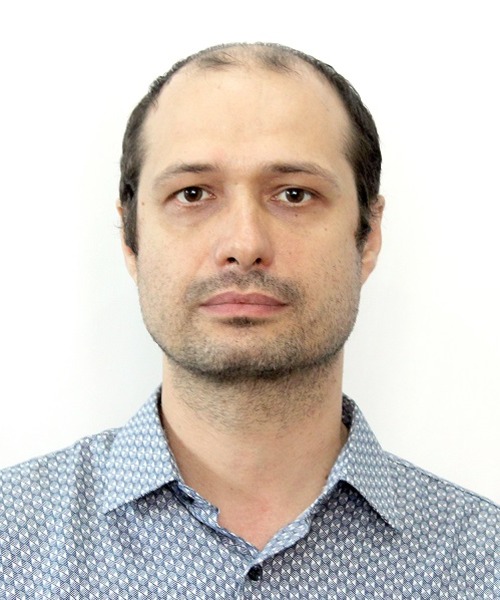
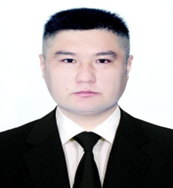
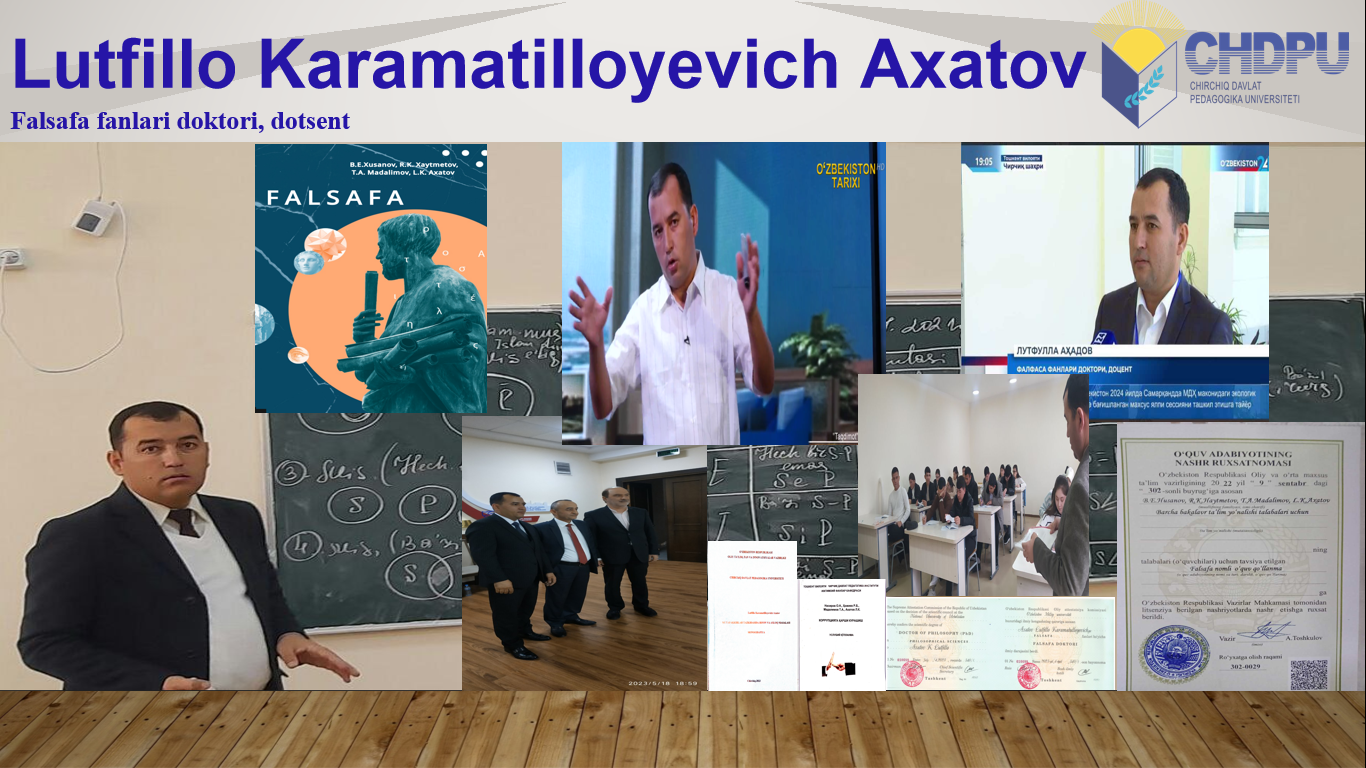
Lutfillo Karamatilloyevich Axatov
Fakultetlararo ijtimoiy fanlar kafedrasi mudiri





- Phone: +998998412285
- Email l.axatov@cspu.uz
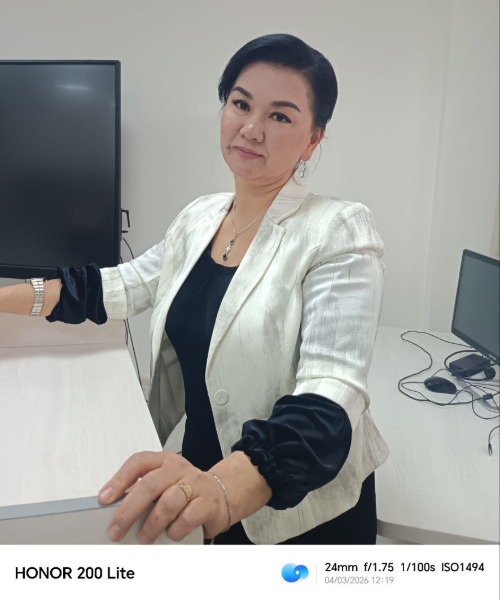
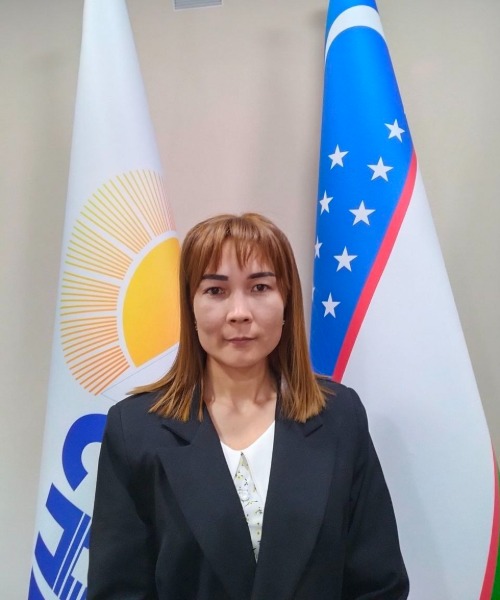
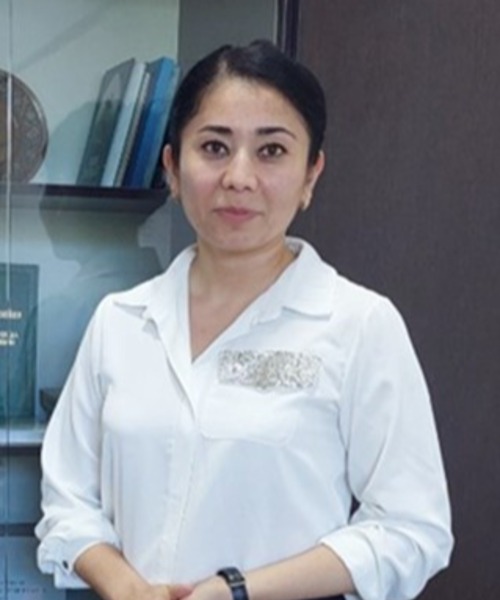
Feruza Ilmuradova
Ilmurodova Feruza Shakirovna is a history teacher specializing in history education and the methodological preparation of future teachers in Uzbekistan
Ilmurodova Feruza Shakirovna is a history teacher specializing in history education and the methodological preparation of future teachers in Uzbekistan
- Phone: +998717166805
- Email f.ilmurodova@cspu.uz

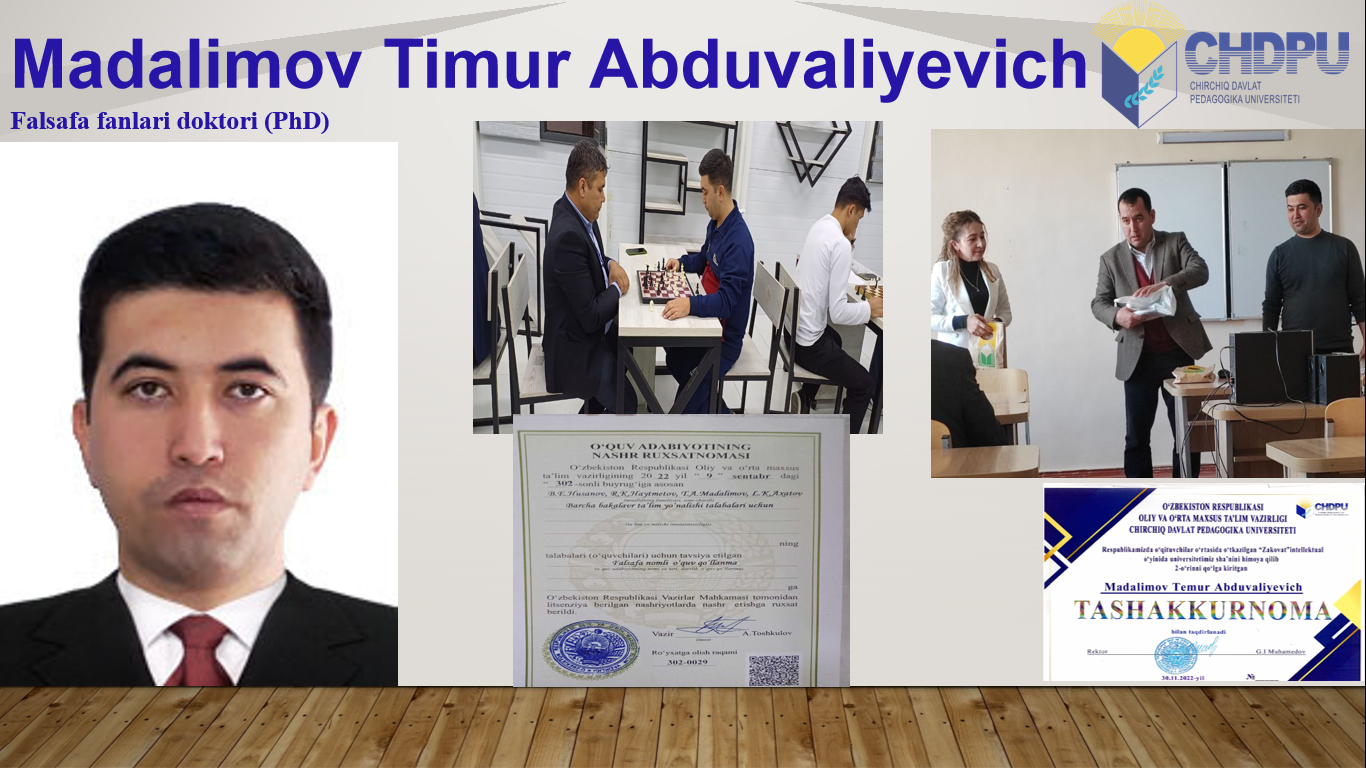
Timur Abduvaliyevich Madalimov
Associated Professor
Phd
- Phone: +998977011373
- Email t.madalimov@cspu.uz

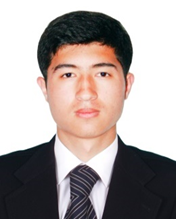
Makhkamov Doston Shokir ugli
Department teacher
- Phone: +998717166805
- Email d.maxkamov@cspu.uz
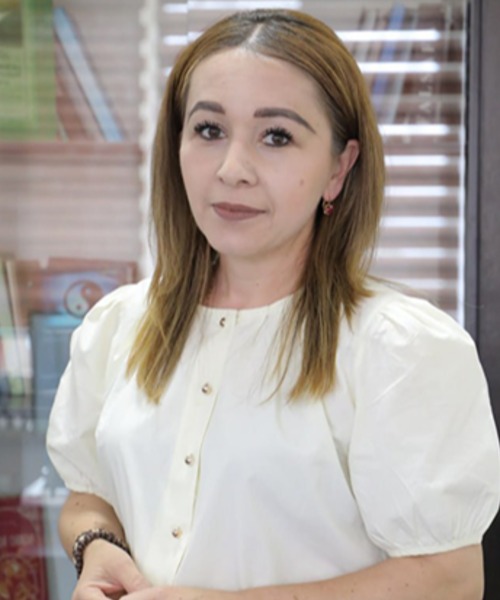
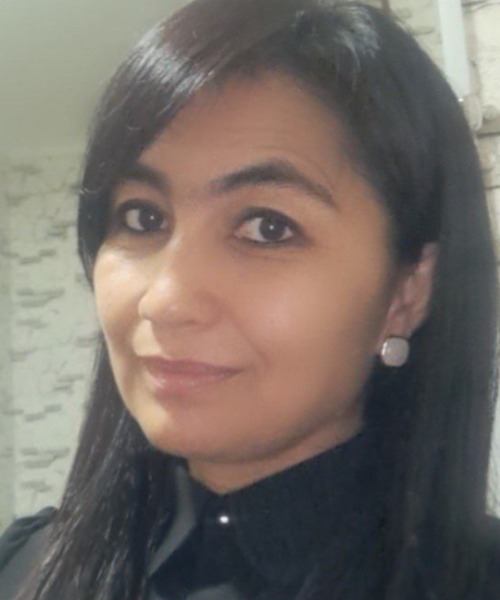
Sadullaeva Makhfuza Khusenovna
Senior Lecturer, Faculty of Humanities
no
- Email m.sadullayeva@cspu.uz


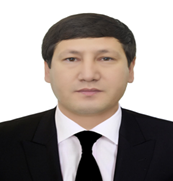
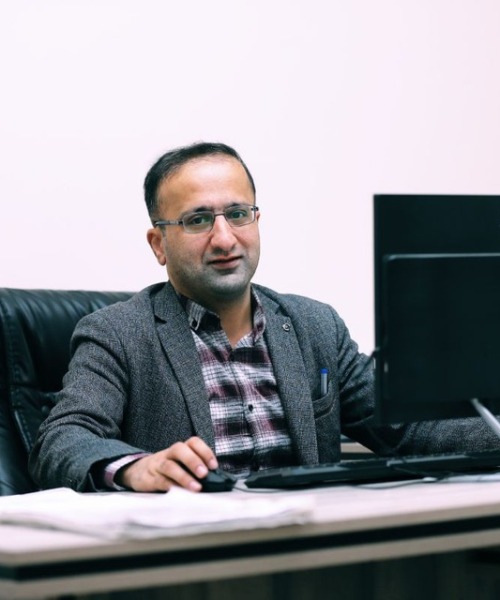
Tashmetov Tukhtasin Khudoyberganovich
Associate Professor of the Department
Doctor of Sciences in Philosophy (DSc)
- Phone: +998717166805
- Email toshmetovtuxtasin@gmail.com
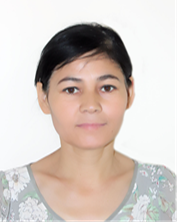
Urazembetova Barno Haitbayevna
Kafedra o‘qituvchisi
- Phone: +998717166805
- Email b.urazembetova@cspu.uz
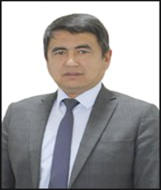
- Phone: +998717166805
- Email gofur6444@mail.ru
Under the department, the activity of the “Young Analysts Club” has been established, and this club is aimed at enhancing the intellectual development and scientific potential of undergraduate students, master’s students, and doctoral candidates studying in all fields at the university level. Within the framework of the club, scientific seminars, experience-exchange programs, and innovative projects related to academic article writing are being implemented.
Additionally, the development of scientific-methodological manuals for researchers and faculty members, as well as participation in international grant projects, constitutes one of the principal areas of the club’s activity.

On a specifically designated day of the week, the club operates in accordance with its approved schedule and has been contributing to the effective and productive use of students’ time.


Quality Assurance in Education
The Interfaculty Department of Social Sciences relies on both internal and external monitoring systems to enhance and ensure the quality of education.
External Monitoring
The quality of education is regularly analyzed through a platform established by the University’s Working Group on Educational Quality Assurance.
Internal Monitoring
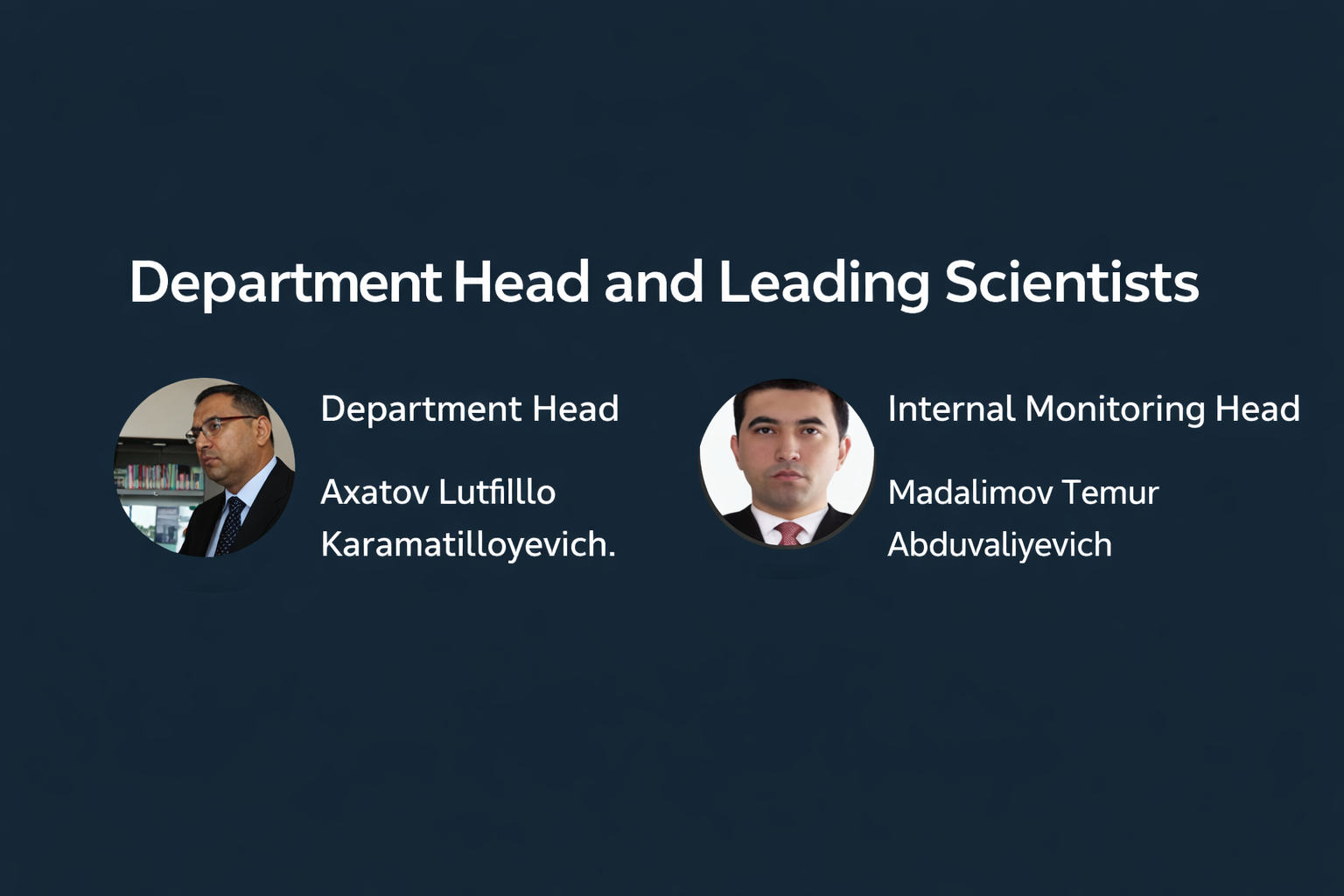
Internal quality control within the department is conducted under the supervision of PhD Madalimov Temur Abduvaliyevich and the Head of the Department, Axatov Lutfillo Karamatilloyevich.
At departmental meetings, regular reports are presented, and measures aimed at eliminating deficiencies in the educational process are systematically discussed.
Compliance with International Education Quality Standards
The Philosophy course ensures alignment with the curricula of leading international universities (such as Cambridge, Oxford, etc.), integrating topics and academic requirements consistent with globally recognized programs.
Through this system, students acquire knowledge in accordance with internationally accepted assessment standards. This approach prepares them for subsequent academic stages, including credit-module systems and other comparable educational frameworks.
Khoja Akhmet Yassawi International Kazakh-Turkish University
Within the framework of cooperation with Khoja Akhmet Yassawi International Kazakh-Turkish University, a bilateral agreement has been signed.
A delegation from the partner university visited our institution, during which meetings were held to discuss prospects for further development of cooperation. In turn, our delegation visited the partner university and became acquainted with its educational system and academic practices.
Several international conferences have been planned within the framework of this collaboration.
Uzbekistan State University of Physical Education and Sport
A formal bilateral agreement has been concluded to enhance the effectiveness of higher education, scientific research, cultural initiatives, as well as teaching-methodological and research activities.
The parties are cooperating in the development of joint educational programs at the bachelor’s and master’s levels.
National University of Uzbekistan
Cooperation includes the involvement of faculty members in co-supervising master’s and doctoral dissertations, providing academic consultancy, and conducting joint scientific and technical research projects.
The institutions jointly organize conferences, seminars, symposiums, round tables, academic events, and educational initiatives. Discussions have also been held regarding the publication of research outcomes in leading international scientific citation databases, including Web of Science, Scopus, and other globally recognized indexing platforms.
First and foremost, it should be emphasized that our department has set as its primary objective the formation of a broad worldview, independent thinking, civic consciousness, and social responsibility among students through the teaching of social and humanitarian sciences within the higher education system.
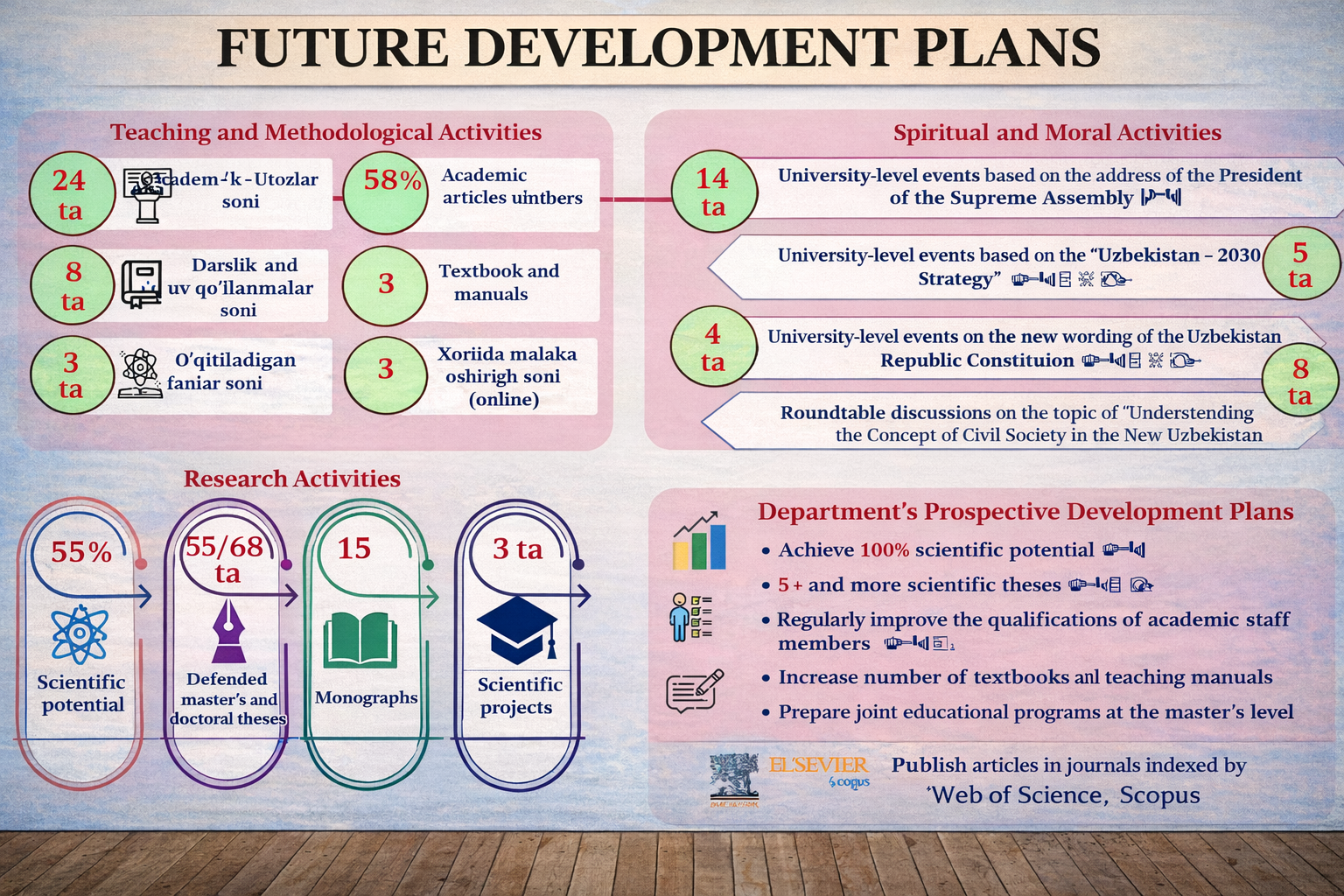
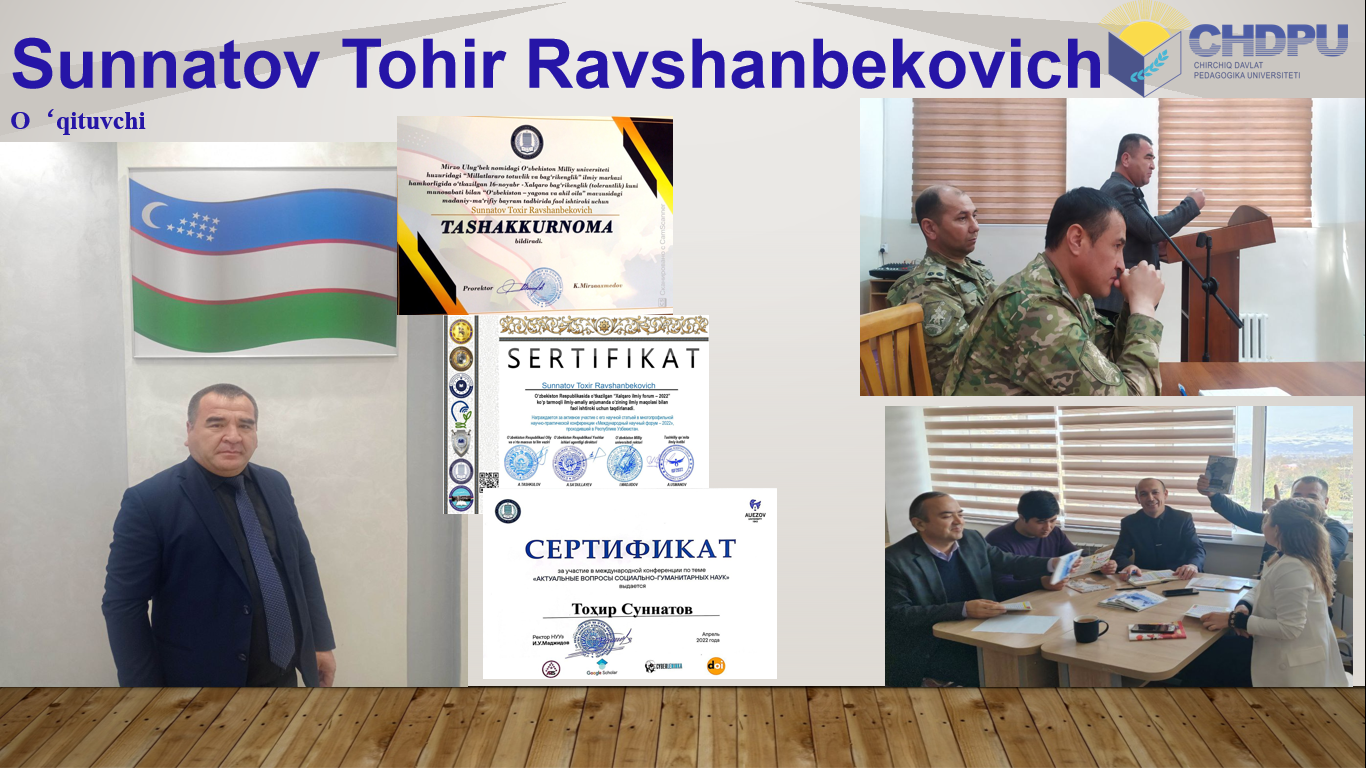
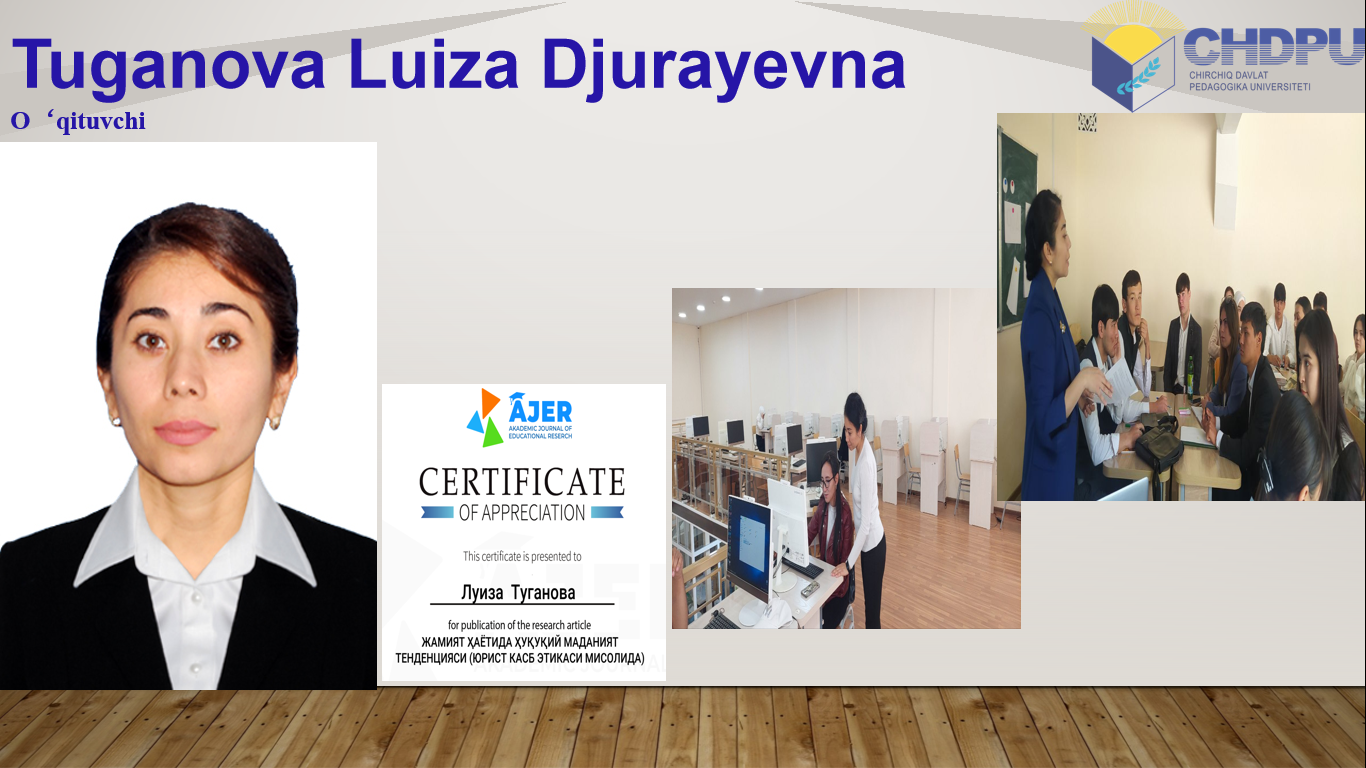
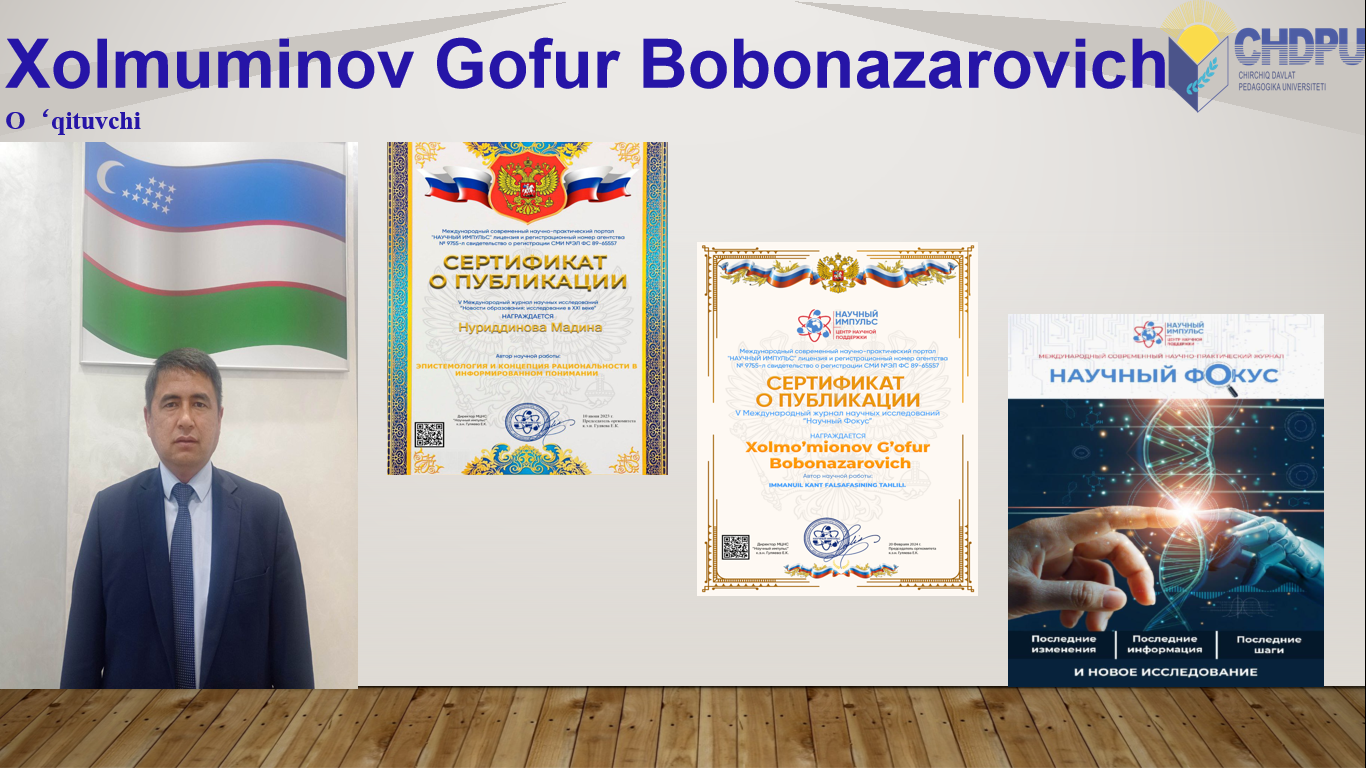
Research activity constitutes one of the key strategic directions of the department’s work. Faculty members have published scholarly articles in national and international academic journals and have actively participated in scientific and practical conferences. A Young Researchers’ Club operates within the department, engaging talented students in research activities and fostering their academic development. The publication of a number of monographs and teaching manuals has further strengthened and enhanced the department’s scientific potential and research capacity.
The defense of the Doctor of Philosophy (PhD) dissertation in Pedagogical Sciences by Feruza Shakirovna Ilmurodova, Senior Lecturer of the Department, specializing in 13.00.02 – Theory and Methodology of Education and Upbringing (History), entitled:
“Methodology for Preparing Future History Teachers for Professional Activity within the Cluster System”
will take place at the meeting of the Scientific Council numbered DSc.01/2025.27.12.Ped.04.02, authorized to confer academic degrees under Chirchiq State Pedagogical University, on March 4, 2026, at 16:00.
Address:
104 Amir Temur Street, Chirchiq city, Tashkent region, 111720, Republic of Uzbekistan
Tel: (+998 70) 712-27-55