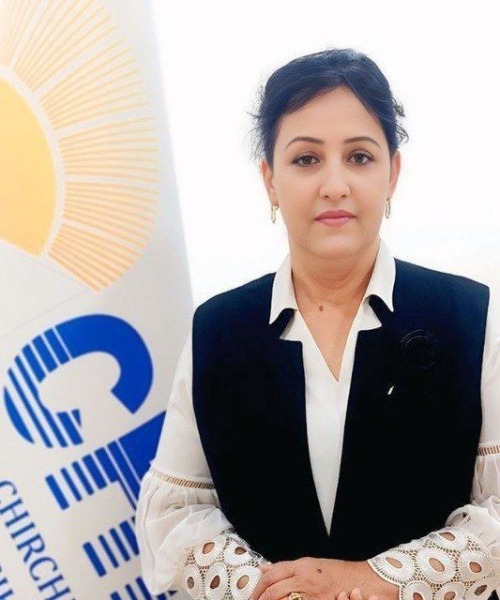
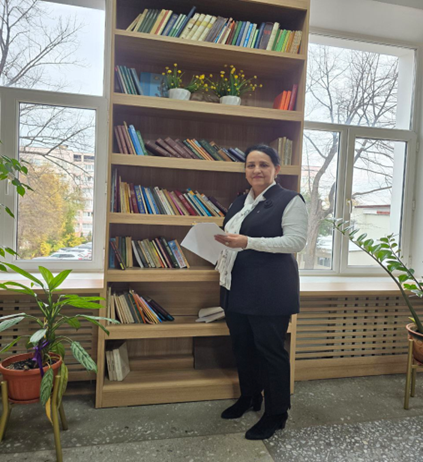
Raxmanova Muqaddas Qaxramonovna
Head of the Department of General Pedagogy





The goal of this discipline is to develop pedagogical thinking, professional awareness, and social responsibility in future specialists.
Key objectives:
Teaching the theoretical foundations of upbringing and education;
Explaining the laws of the pedagogical process;
Developing pedagogical culture and professional competencies in students;
Combining traditional and innovative pedagogical approaches.
The object of this science is the educational process.
The subject of this science is the laws, principles, forms, and methods of this process.
Today's education system is developing rapidly. In this process, general pedagogy:
Forms the scientific and theoretical basis for educational reforms;
Develops teachers' professional skills;
Plays an important role as a core subject, ensuring the harmony of teaching and upbringing.
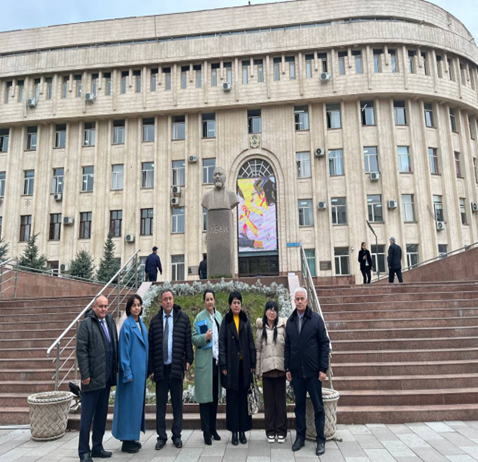
From September 5 to 9, 2024, professors and teachers from the Department of General Pedagogy of the Faculty of Education visited Abay Kazakh National Pedagogical University. During the visit, the results of collaboration with the Department of Pedagogy were discussed.
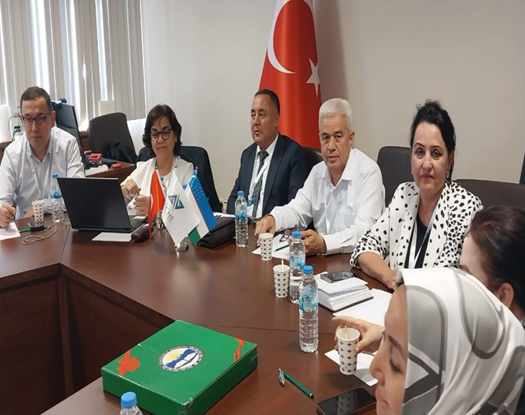
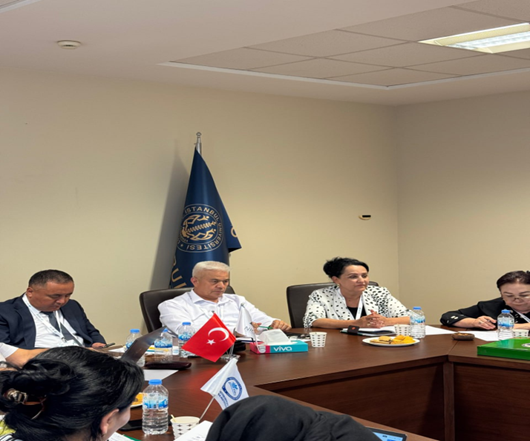
From May 4 to 14, 2025, professors and teachers from the Department of General Pedagogy visited Istanbul University (Turkey).
During this meeting, a memorandum was signed between the two universities on establishing cooperation in educational and scientific fields.
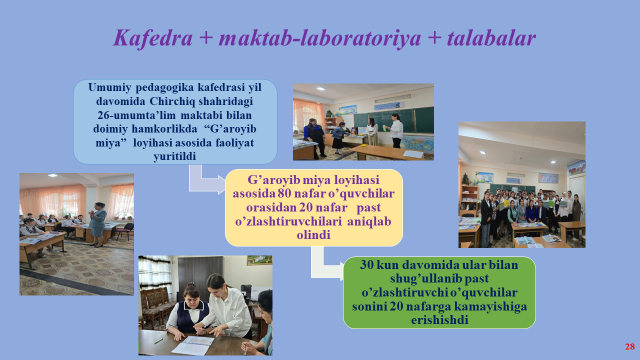
Department – School Laboratory – Collaboration with Students
The Department of General Pedagogy established close scientific and practical collaboration with Comprehensive School No. 26 in Chirchik. As part of this collaboration, systematic activities were conducted based on the "Amazing Brain" pedagogical project.
As part of the project, 20 struggling students were initially selected from a total of 80 students. Work with these students was organized over a 30-day period using specially designed pedagogical exercises, an individualized approach, and developmental tasks.
During the practical sessions:
The students' knowledge acquisition level was analyzed;
Individualized pedagogical approaches were applied;
Monitoring, consultations, and pedagogical support were provided to the students.
As a result of these consistent pedagogical activities, the number of struggling students significantly decreased from 20, and their interest and engagement in their studies increased.
This project is an effective example of collaboration between the department, faculty, and students, once again confirming the practical importance of general education pedagogy.
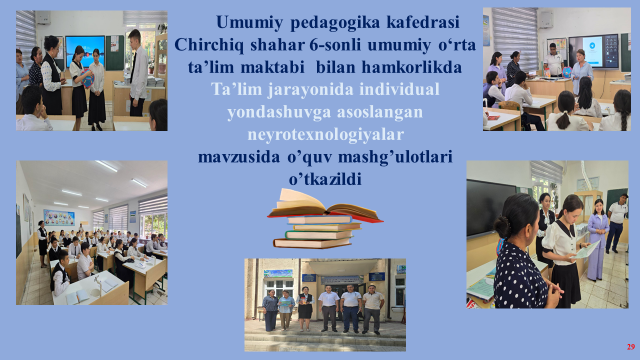
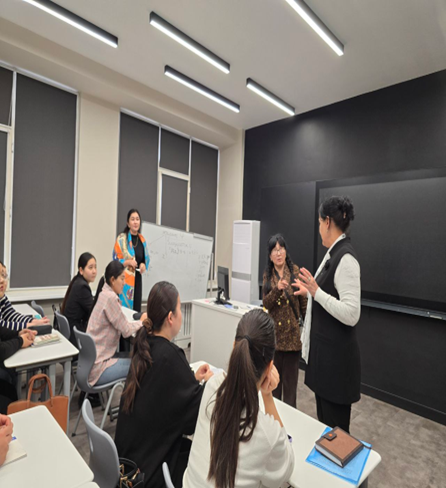
The Department of General Pedagogy, in collaboration with Chirchik City Secondary School No. 6, organized training sessions on neurotechnology based on an individualized approach to the educational process.
The sessions were led by Mukaddas Rakhmanova, a lecturer in the Department of General Pedagogy, and included the participation of students. During the sessions, special attention was paid to enhancing students' cognitive activity, taking into account individual characteristics, and implementing modern pedagogical and neurotechnological approaches.
The sessions effectively utilized individual work, observation, analysis, and developmental tasks. These activities contributed to strengthening scientific and practical collaboration between the department, school, and students, as well as enhancing the practical significance of general pedagogy in the modern education system.
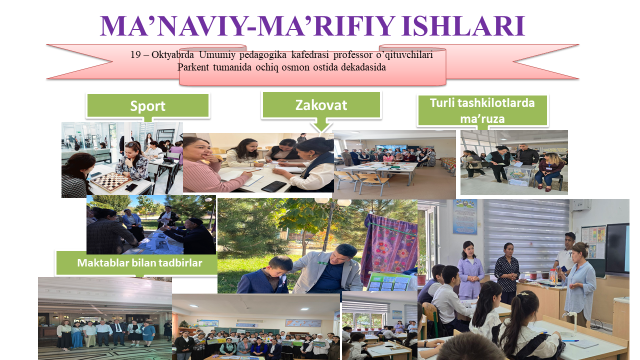
On October 19, 2024, faculty from the Department of General Pedagogy organized spiritual and educational events at open spaces in the Parkent District. These events were held at the initiative and under the leadership of Mukaddas Rakhmanova, a faculty member in the Department of General Pedagogy.
The events included sports competitions, intellectual games, lectures at various organizations, and spiritual gatherings held jointly with schools. These activities served to strengthen students' sense of community, a healthy lifestyle, intellectual activity, and respect for spiritual values.
These activities were aimed at meaningfully managing students' free time, increasing their social engagement, and demonstrating the educational potential of general pedagogy in practice.
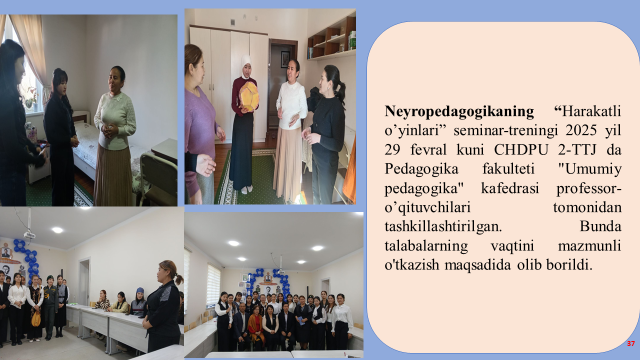
On February 29, 2025, faculty from the Department of General Pedagogy of the Faculty of Education at the 2nd TJ ChDPU organized a seminar-training on "Moving Games in Neuropedagogy." The event was organized at the initiative and under the leadership of Mukaddas Rakhmanova, a lecturer in the Department of General Pedagogy.
During the seminar-training, students were given neuropedagogical exercises based on motor games, with a special focus on meaningful free time management and the combination of physical activity and cognitive development.
The event contributed to increased social engagement among students, the development of teamwork skills, and an interest in a healthy lifestyle.
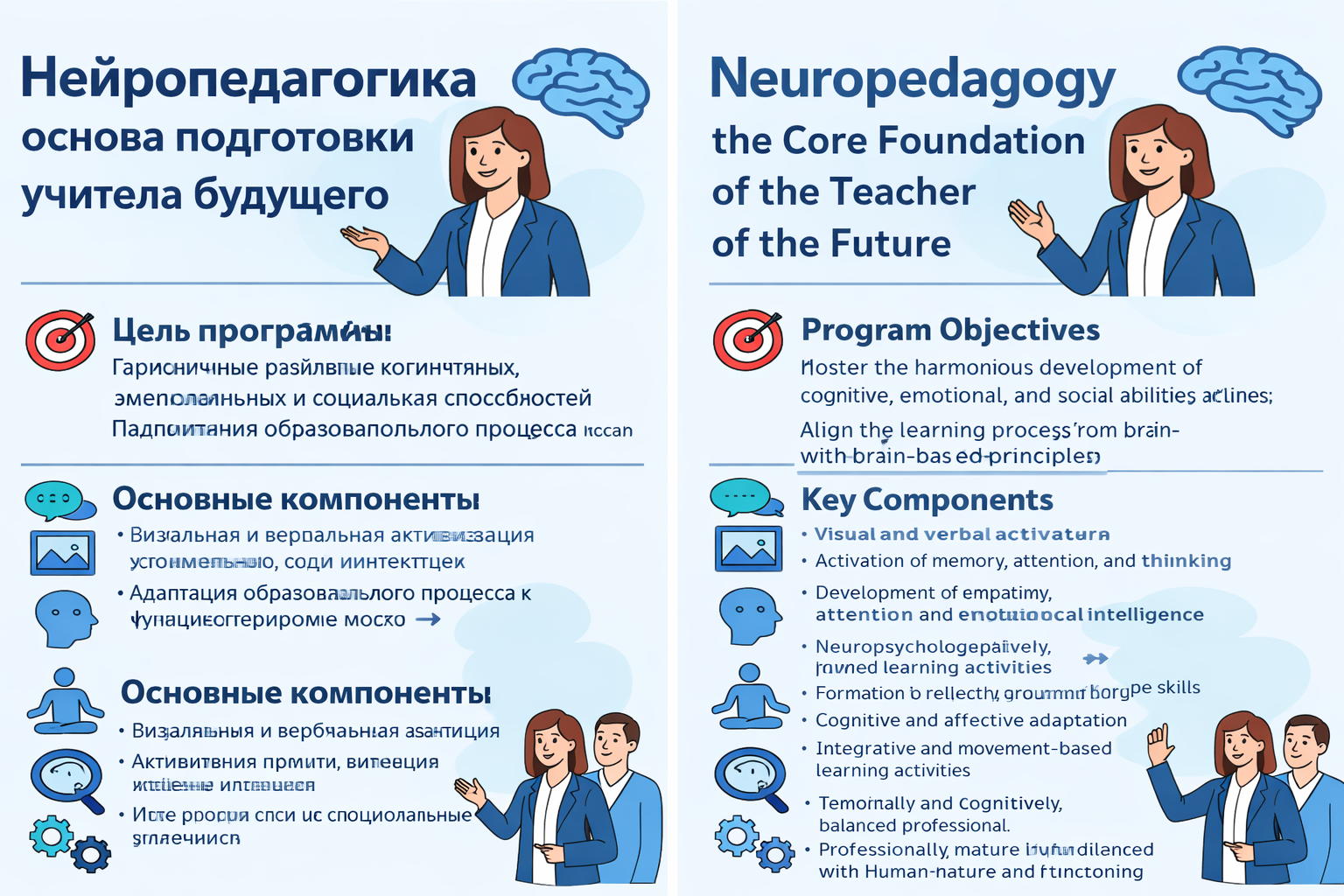
Neuropedagogy — the Foundation for Preparing the Teacher of the Future
Neuropedagogy is a key area of modern education, based on the study of human brain activity, emotional states, and cognitive processes for the purpose of organizing effective learning. This approach plays an important role in developing the professional competencies of the teacher of the future.
Program Goal
The main goal of the program is:
the harmonious development of students' cognitive, emotional, and social abilities;
ensuring effective knowledge acquisition, taking into account the characteristics of brain activity.
Main Components
The neuropedagogical approach includes the following key components:
visual and verbal activation;
activation of memory, attention, and thinking;
development of empathy and emotional intelligence;
neuropsychologically based activities;
development of reflective and metacognitive skills;
cognitive and affective adaptation;
integrative and motor-oriented learning.
Expected Results
Implementing this approach will result in the development of:
a teacher capable of effectively managing the educational process;
a specialist harmoniously developed in emotional and cognitive aspects;
a professionally mature individual whose work is based on a learning model that corresponds to human nature and brain function.
Neuropedagogy Program of the Department of General Pedagogy
within the framework of the "Concept of the Teacher of the Future" project
- Introduction
The modern education system requires new pedagogical approaches that take into account the complex relationships between a rapidly changing society, the digital environment, and human consciousness. One such innovative area is neuropedagogy. Neuropedagogy is a pedagogical field that studies the relationship between brain activity, cognitive processes, emotions, and knowledge acquisition, and aims to organize personalized and effective learning.
The teacher of the future is not only a holder of subject-matter knowledge but also an educator capable of individualizing instruction, taking into account each student's capabilities, cognitive strategies, attention level, and emotional state. Neuropedagogy plays a central role in achieving this goal, as it scientifically substantiates methods for effectively transferring knowledge to the brain, activating memory, attention, thinking, and the emotional sphere.
Neuropedagogy is the foundation of future education, focused on personal awareness, activating thinking, and developing intrinsic motivation. Therefore, the "Concept of the Teacher of the Future" views neuropedagogical knowledge and competencies as a priority strategic direction. This program has been developed precisely for this purpose.
- Program Goals and Objectives
The primary goal of the program is to develop neuropedagogical knowledge and competencies in future teachers, ensuring a scientifically grounded, student-centered, and effective organization of the educational process. This is expected to result in the harmonious development of students' cognitive, emotional, and social abilities.
Program objectives:
Study neuropedagogy and its importance in educational practice;
Implement methods for activating cognitive processes (memory, attention, thinking, emotions);
Develop skills in creating an individualized and "brain-saving" educational environment;
Training in the use of tools for assessing and monitoring neuropsychological development;
Developing skills in applying visual, verbal, and kinesthetic activation methods;
Developing neuro-associative thinking, reflection, empathy, and motivation;
Designing and evaluating lessons, classes, and activities based on a neuropedagogical approach. Main Program Focuses and Components
The neuropedagogical program is built on the following key focus areas and components, ensuring flexible and effective learning that takes into account brain activity and the individual's emotional state:
a) Visual-verbal activation
Brain activation through visual (images, diagrams, graphs) and verbal (speech, wording, language) stimuli, promoting better understanding and memorization of educational material.
b) Memory activation
Using exercises to develop short-term and long-term memory, mind maps, and associative memorization techniques.
c) Attentional development
Developing sustained attention through interactive and neurally relevant exercises.
d) Emotional intelligence
Developing the ability to recognize and regulate one's own emotions, understand the feelings of others, and demonstrate empathy in communication.
d) Neuroassociations
Formation of deep and long-term knowledge through the connection of new information with previously acquired knowledge using symbols, metaphors, and semantic images.
e) Reflection and metacognitive abilities
Development of skills for self-awareness and control