Department of Pedagogy
The Department of Pedagogy at Chirchiq State Pedagogical University, established in 2022, focuses on training highly qualified pedagogical staff. It conducts scientific research on innovative educational technologies and offers bachelor's and master's programs in various pedagogical and psychological specializations.
DEPARTMENT OF PEDAGOGY Year of Establishment: 2022 The department was renamed from "Pedagogy and Management" to "Pedagogy" status on June 29, 2022, according to the protocol of the Chirchiq State Pedagogical Institute Council No. 19, and began operating as a separate department. Currently, the department's professors and lecturers organize classes for bachelor's degrees in 60110100-Pedagogy and 60110100-Pedagogy and Psychology in full-time and part-time education, as well as specialized subjects for master's degrees in 70110101-Pedagogy Theory and History and 70110102-Pedagogy and Psychology.
AIMS AND OBJECTIVES OF THE DEPARTMENT Department's Mission: The mission of the Pedagogy Department is to train highly qualified pedagogical staff based on modern educational principles, to research and implement innovative educational technologies, and to conduct scientific research aimed at increasing the effectiveness of the educational process.
Our Goals:
- Methodological Improvement of the Educational Process: The Pedagogy Department aims to improve the quality of students' learning process by increasing the effectiveness of the educational process, integrating pedagogical technologies with innovative methods, and introducing modern pedagogical approaches in educational institutions.
- Enhancing Professional Pedagogical Qualification: The Pedagogy Department aims to improve the professional training of professors, lecturers, and students, introducing them to new pedagogical theories and practices, and assisting them in mastering the latest achievements in the field of education.
Pedagogy Department's Long-term and Mid-term Strategic Development Program (for 2025)
CURRICULUM The department currently organizes classes for bachelor's degrees in 60110100-Pedagogy and 60110100-Pedagogy and Psychology in full-time and part-time education, as well as specialized subjects for master's degrees in 70110101-Pedagogy Theory and History and 70110102-Pedagogy and Psychology.
Department's Educational Directions and Curricula: 60110100-Pedagogy (Bachelor's, 1st year):
- Foundations of National Education
- Pedagogy Theory and History
- Introduction to the Specialization
- Folk Pedagogy
- Social Pedagogy
- Yunagogy (Youth Pedagogy)
- Family Pedagogy
- Pedagogical Diagnostics and Correction
- Pedagogical Skills
- Methodology of Teaching the Science of Education
- Comparative Pedagogy
- Trends and Modern Approaches in Continuing Education
- Creative Pedagogy
- Pedagogical Technology.
60110100-Pedagogy (Bachelor's, 3rd year):
- Family Pedagogy 2
- Pedagogical Diagnostics and Correction
- Pedagogical Competence
- Pedagogical Conflictology 1
- Neuropedagogy
- Methodology of Scientific Research.
60110100-Pedagogy and Psychology (Bachelor's, 4th year):
- Professional Pedagogy
- Pedagogical Prognostics.
70110101-Pedagogy Theory and History (Master's, 1st year):
- Methodology of Scientific Research
- Pragmatic Aspects of Pedagogy
- Research Pedagogy
- Organization of Innovative Pedagogical Activity
- Regulatory Documents in Higher Education
- Pedagogical Deontology and Competence
- Pedagogical Prognostics.
70110102-Pedagogy and Psychology (Master's, 2nd year):
- Scientific Seminar 1
- Scientific Seminar 3
- Methodology of Scientific Research
- Methodology of Teaching Specialty Subjects
- Pedagogical Deontology and Competence.
SCIENTIFIC-RESEARCH DIRECTIONS AND PROJECTS The following have been identified as priority scientific directions for the development of scientific-research activities and the training of scientific-pedagogical personnel at the "Pedagogy" Department of the "Pedagogy" Faculty, Chirchiq State Pedagogical University:
- Measures for the implementation of the department project "Pedagogical and Psychological Foundations of Modern Education" in accordance with the "Innovative Cluster in Pedagogical Education" program, consisting of department professors-lecturers and talented students, will be developed and implemented.
- Within the framework of the "Pedagogue from Today" project, efforts will be made to form representative systems in future teachers, contribute to increasing the university's position in local and international rankings, and further develop scientific potential. Additionally, scientific research work will be conducted involving students on an individual approach basis, and scientific conferences will be held.
- Talented young people will be identified and assigned to qualified professors and lecturers with high scientific achievements, providing individual guidance for students' scientific and creative activities.
- Seminar-trainings and pedagogical skill classes will be organized to engage leading professors and lecturers working in the department in educational, scientific research, innovative, and project design activities for students.
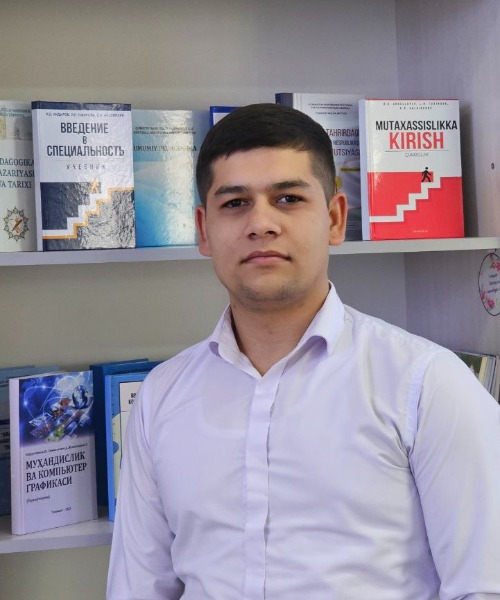
Abdullaev Oybek Alisherovich
lecturer at the department

- Phone: +998909997597
- Email oabdullayev545@gmail.com
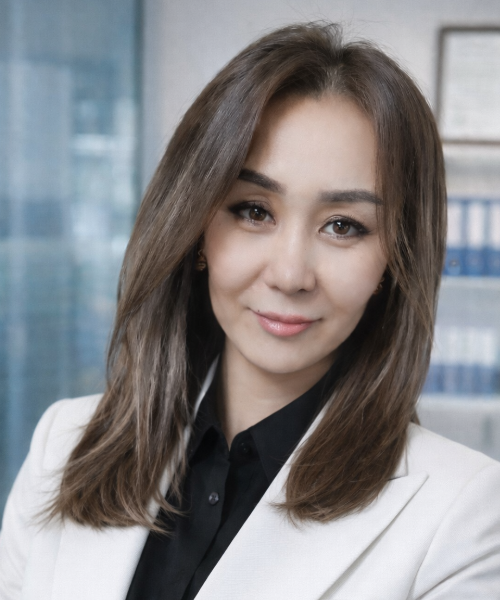
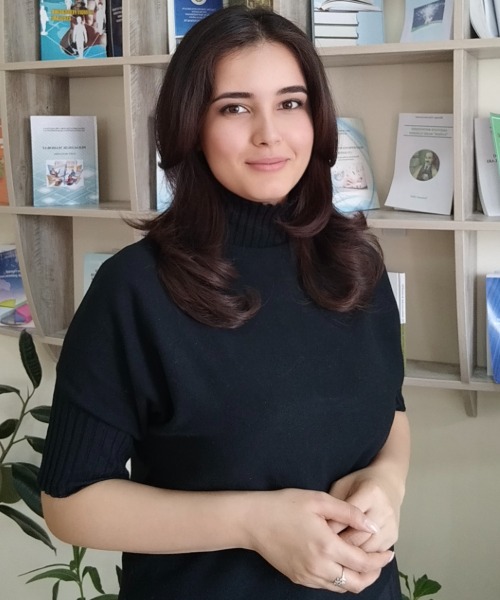
Allayorova Sarvinoz Baxtiyorovna
Department teacher

- Phone: +998934898191
- Email allayorovasarvinoz78@gmail.com
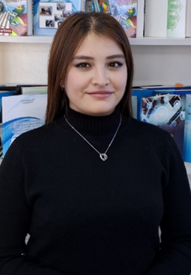
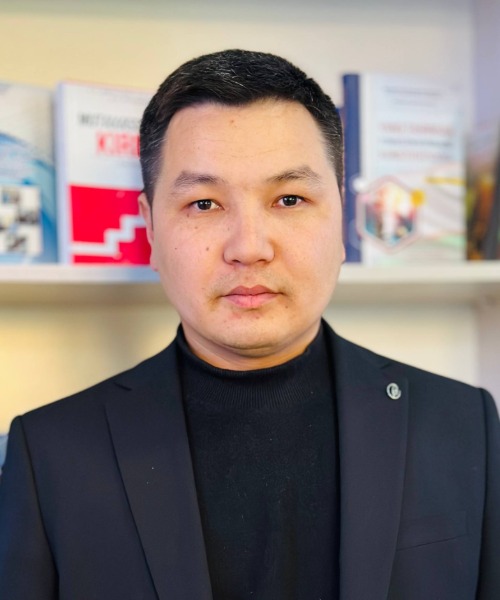
Kaldibekov Alibek Bolatbekovich
Department lecturer
- Phone: +998909262676
- Email alipolatovich@gmail.com
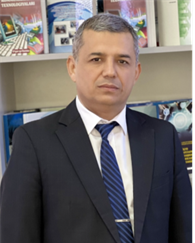
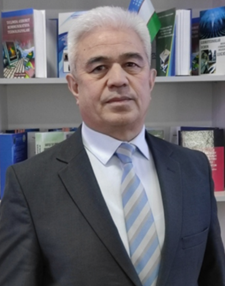
Qodirov Ikrom Davronovich
Head of the Department of Pedagogy
- Phone: +998998572417
- Email i.qodirov@cspi.uz
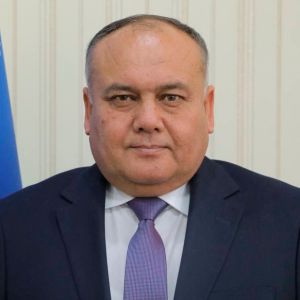
Karayev Samariddin Barakaevich
Vice Rector for Youth Affairs
- Phone: +998707124540
- Email manaviyat@cspi.uz
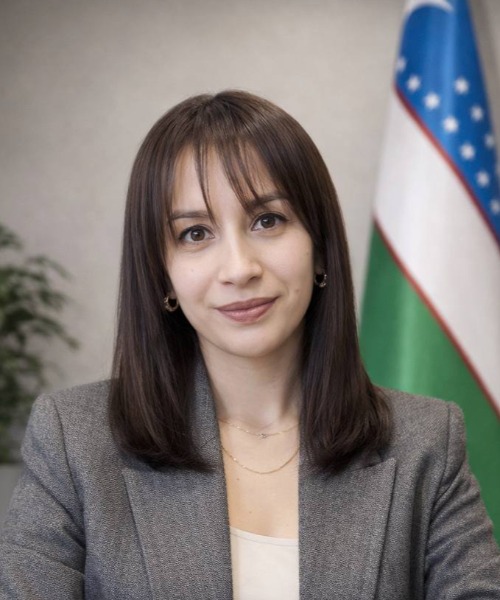
Usarov Jabbor Eshbekovich
Dean of the Faculty of Pedagogy
Doctor of Pedagogical Sciences (DSc), Professor
- Phone: +99890 9256800
- Email jabborusarov@gmail.com
Aims and Objectives of the Department
Mission of the Department:
The mission of the Department of Pedagogy is to train highly qualified teaching professionals based on modern educational principles, to research and implement innovative educational technologies, and to conduct scientific studies aimed at increasing the effectiveness of the teaching and learning process.
Our Goals:
Methodological Improvement of the Educational Process:
The Department of Pedagogy aims to enhance the quality of students’ learning by increasing the effectiveness of the educational process, integrating pedagogical technologies with innovative methods, and introducing modern pedagogical approaches in educational institutions.Enhancement of Professional Pedagogical Competence:
The Department seeks to improve the professional preparation of professors, teachers, and students by familiarizing them with new pedagogical theories and practices and supporting the mastery of the latest achievements in the field of education.
Curricula / Educational Programs
The Department offers courses for undergraduate programs 60110100 – Pedagogy and 60110100 – Pedagogy and Psychology in both full-time and part-time formats, as well as for master’s programs 70110101 – Theory and History of Pedagogy and 70110102 – Pedagogy and Psychology, covering specialized subjects.
Departmental Programs and Courses:
60110100 – Pedagogy (Undergraduate, 1st Year):
Fundamentals of National Education
Theory and History of Pedagogy
Introduction to the Specialty
Folk Pedagogy
Social Pedagogy
Andragogy
Family Pedagogy
Pedagogical Diagnostics and Correction
Pedagogical Mastery
Methods of Teaching Upbringing Science
Comparative Pedagogy
Trends and Modern Approaches in Lifelong Education
Creative Pedagogy
Pedagogical Technology
60110100 – Pedagogy (Undergraduate, 3rd Year):
Family Pedagogy 2
Pedagogical Diagnostics and Correction
Pedagogical Competence
Pedagogical Conflictology 1
Neuro-Pedagogy
Methodology of Scientific Research
60110100 – Pedagogy and Psychology (Undergraduate, 4th Year):
Professional Pedagogy
Pedagogical Forecasting
70110101 – Theory and History of Pedagogy (Master’s, 1st Year):
Methodology of Scientific Research
Pragmatic Aspects of Pedagogy
Research Pedagogy
Organization of Innovative Pedagogical Activities
Regulatory Documents in Higher Education
Pedagogical Deontology and Competence
Pedagogical Forecasting
70110102 – Pedagogy and Psychology (Master’s, 2nd Year):
Scientific Seminar 1
Scientific Seminar 3
Methodology of Scientific Research
Methods of Teaching Specialized Subjects
Pedagogical Deontology and Competence
Research Directions and Projects
The priority research directions for the Department of Pedagogy at the Faculty of Pedagogy, Chirchik State Pedagogical University have been established to develop scientific research activities and train highly qualified academic personnel:
Implementation of the “Department Project on Pedagogical and Psychological Foundations of Modern Education”
In accordance with the program “Innovative Cluster in Pedagogical Education”, measures are developed and implemented to carry out the department project involving professors, lecturers, and talented students.“Teacher from Today” Project
Within this project, efforts are made to form representative systems among future teachers, enhance the university’s position in local and international rankings, and further develop its scientific potential. Additionally, students are engaged in research activities through an individualized approach, and scientific conferences are organized.Mentoring of Talented Youth
Talented students are identified and paired with highly qualified, experienced professors. An individualized mentorship approach is applied to guide students in their scientific and creative research activities.Engagement in Educational, Research, and Innovative Activities
Leading professors of the department organize seminars, training sessions, and pedagogical mastery classes to involve students in educational, research, innovative, and project-based activities.
Overall Theme of Departmental Research:
Scientific substantiation and widespread implementation of an effective educational cluster.
Research and Innovative Projects
Scientific Research Conducted at the Department of Pedagogy
Scientific Activities of Faculty Members:
Ikrom Davronovich Kodirov – Textbooks, articles, and theses.
Jabbor Eshbekovich Usarov – Articles published in Scopus, Web of Science, and VAK journals.
Samaridin Barakayevich Qorayev – Textbooks, articles, and theses (DGU).
Sayyara Rustamovna Abdalova – List of scientific works, articles, and theses.
Dilobod Alimjanovna Khalmatova – Textbooks, teaching manuals, articles, and theses.
Sarvinoz Bakhtiyorovna Allayorova – Textbooks, articles, and theses.
Anora Komiljonovna Sharaxmatova – Articles and theses.
Sayyora Nodirbek qizi Jamoldinova – Articles and theses.
Alibek Bolatbekovich Kaldibekov – Textbooks, articles, and theses.
Oybek Alisher o‘g‘li Abdullayev – Textbooks, articles, and theses.
Leyli Rustam qizi Toxirova – Textbooks, articles, and theses.
Dildora Unarboy qizi Yo‘ldosheva – Articles and theses.
Zulfiya Ayitbayevna Jumaniyazova – Articles and theses.
Scientific Activities of Students:
Talented students are actively engaged in scientific research under the guidance of the Department of Pedagogy’s faculty members, following the department’s priority research directions at Chirchik State Pedagogical University.
Collaborative Partnerships
The Department of Pedagogy actively develops local collaborative partnerships with educational institutions to enhance the quality of education, advance modern pedagogical methods, and provide supplementary knowledge to school and vocational education students. In this context, cooperation has been established with general secondary schools in the Tashkent region, and a mechanism for implementing joint activities has been developed.
Offline and Online Seminars:
Professors and lecturers of the department regularly organize seminars and masterclasses for teachers and students in regional general education institutions. These events aim to promote modern pedagogical approaches, apply innovative teaching methods in practice, and improve the quality of education.
Methodological Support and Experience Sharing:
In partner schools and vocational colleges, regular consultations and training sessions are conducted on the methodology of teaching educational subjects and specialty courses for teaching staff. This provides practical support to local teachers in improving their professional skills.
Development of Teachers’ Pedagogical Competence:
Within the framework of cooperation, masterclasses and practical sessions are conducted on teaching specialty subjects. Teachers are also provided with guidance to enhance their academic qualifications and prepare for international evaluation systems.
The department plans to expand local partnerships further and implement new projects and initiatives to integrate advanced modern teaching methods into the educational process.
Student Life
The Department of Pedagogy organizes subject clubs such as “Creative Pedagogy,” “Teacher from Today,” “Pedagogical Technology,” and “Masterful Teacher.” In these clubs, professors and lecturers provide students with the knowledge, skills, and competencies necessary to develop their talents and foster a scientific and creative environment.
2024–2025 Action Plan:
Within the framework of the Innovative Pedagogical Education Cluster, the Department has developed a plan to organize and enhance activities with talented students, focusing on the development of their research and pedagogical abilities.
Individualized Learning:
The department provides a high level of individualized learning, allowing students to initiate their own scientific research and collaborate with faculty members on academic projects. Students can submit applications for individual learning through the following link:
[Submit Application for Individual Learning]
Guidance in Scientific Research:
Professors and lecturers of the department have developed special scientific work plans for guiding students and researchers within an individualized academic environment, helping them engage in meaningful scientific research.
Orientation of Students and Researchers Toward Scientific Activity:
The department actively mentors and directs students and young researchers, creating opportunities to participate in research projects and develop competencies in scientific inquiry.